
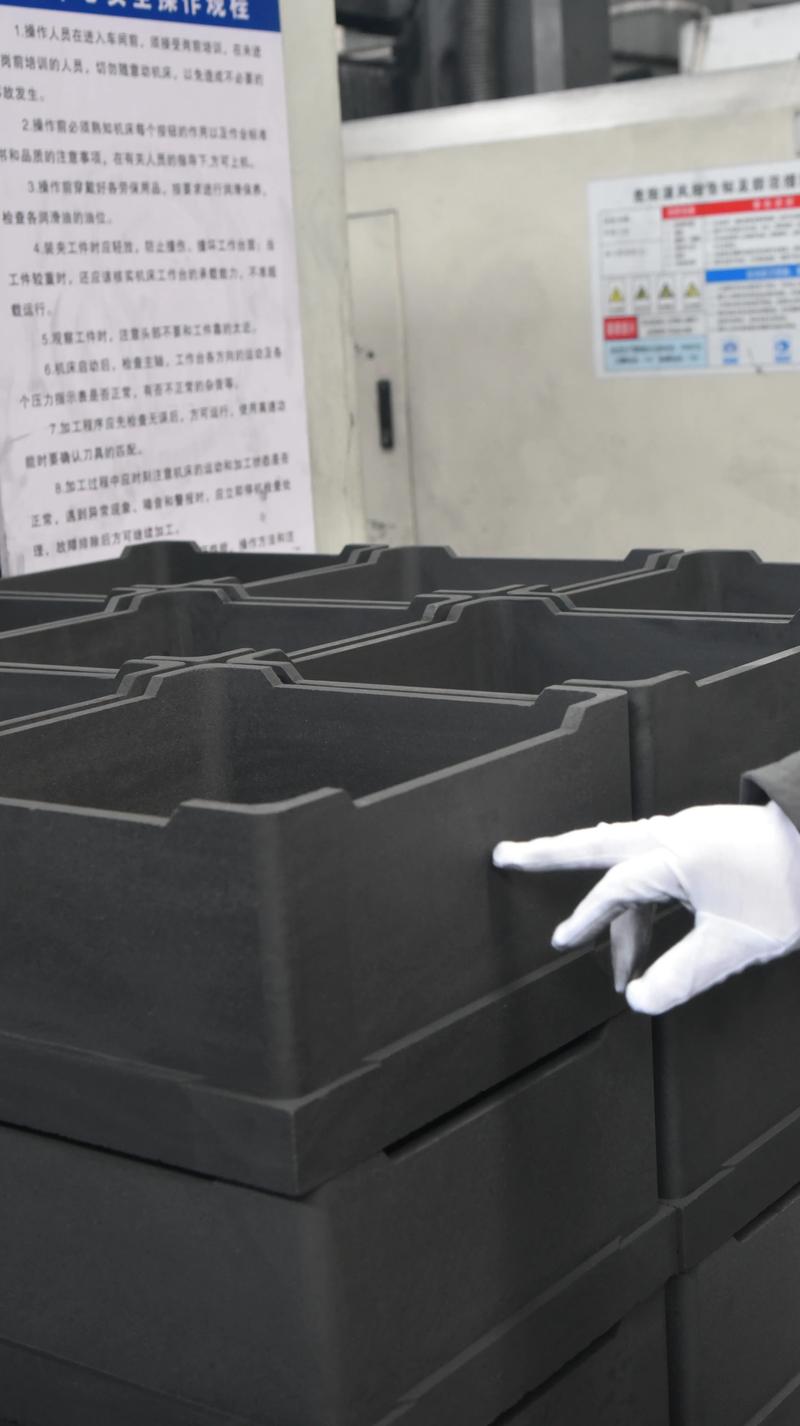
What is Silicon Carbide Saggar? Basic Definition and Material Properties
In high-temperature industries, silicon carbide (SiC) crucibles have become widely used refractory materials due to their excellent thermal properties and high strength. They are widely applied in fields such as ceramics, metallurgy, and glass manufacturing. So, what exactly are silicon carbide crucibles, and what are their key material properties? This article will help you explore these questions in detail.
Basic Definition of Silicon Carbide Crucibles
Silicon carbide crucibles, also known as SiC crucibles, are containers made primarily from silicon carbide (SiC), used in high-temperature furnaces to protect workpieces from direct contact with flames or impurities. This material has outstanding high-temperature resistance and corrosion resistance, making it an ideal choice for high-temperature environments.
Crucibles are typically rectangular, cylindrical, or other regular geometric shapes, with sizes varying depending on the specific use. Their main function is to serve as containers or protective shells to support workpieces in high-temperature environments, preventing direct exposure to heat and reducing the risk of damage and contamination.
Basic Properties of Silicon Carbide
Silicon carbide is a composite material synthesized from silicon and carbon at high temperatures. Due to its unique structure, silicon carbide crucibles have several key material properties:
High Temperature Resistance
Silicon carbide crucibles can withstand temperatures ranging from 1600°C to 1800°C, maintaining strength and stability even in extremely hot environments. They are widely used in high-temperature processes such as ceramic firing and metallurgy.
High Strength and Wear Resistance
Silicon carbide is nearly as hard as diamond, and it can maintain its physical shape even under long-term exposure to high temperatures and mechanical wear. This makes it ideal for industrial equipment that needs to operate continuously.
High Thermal Conductivity and Low Thermal Expansion
Unlike other refractory materials, silicon carbide has high thermal conductivity and a low thermal expansion coefficient. This means it can quickly conduct heat, ensuring even heating of workpieces without excessive expansion, which might lead to cracking or deformation.
Strong Corrosion Resistance
Silicon carbide crucibles have excellent resistance to chemical corrosion, especially in environments containing oxygen, carbides, or sulfides. This makes them highly advantageous in processes such as metallurgy and glass production, where corrosion resistance is critical.
Role of Silicon Carbide Crucibles in Refractory Materials
In the field of refractory materials, silicon carbide crucibles are considered one of the most important advanced materials due to their superior properties. Compared to traditional refractory materials like alumina or zirconia, silicon carbide crucibles have a wider temperature range and better thermal shock resistance. This is especially beneficial in conditions that require continuous operation at high temperatures, as they can significantly reduce equipment wear and improve production efficiency.
Additionally, silicon carbide crucibles have a long service life and can often support multiple production cycles, thereby reducing replacement and maintenance costs for businesses.
Typical Applications of Silicon Carbide Crucibles
Silicon carbide crucibles are widely used in various industrial production processes that require high-temperature treatment. Some typical applications include:
Ceramic Industry
In ceramic firing processes, silicon carbide crucibles are used to hold ceramic green bodies, preventing direct contact with flames, which could lead to surface oxidation or deformation. Additionally, the high thermal conductivity of the crucibles accelerates the firing process and saves energy.
Glass Industry
In the high-temperature melting stage of glass manufacturing, silicon carbide crucibles are widely used to hold and transport molten glass, preventing contamination from impurities and ensuring product purity. The crucibles’ high-temperature resistance and corrosion resistance make them ideal for this application.
Metallurgical Industry
In metallurgy, the high-temperature treatment of metals and ores requires containers with high heat resistance and chemical corrosion resistance, making silicon carbide crucibles the ideal choice.
Lithium Battery Manufacturing
Silicon carbide crucibles play a key role in the high-temperature sintering process of lithium battery materials, helping to improve sintering efficiency and ensure consistency in product performance.
Conclusion
As a high-performance refractory material, silicon carbide crucibles are indispensable tools in high-temperature industries due to their excellent heat resistance, strength, and corrosion resistance. Understanding their material properties and applications can help companies make more informed decisions when selecting refractory materials.
![Silicon Carbide Saggars for Lithium Batteries [MH-LNY-LH-SiC73]](https://moatcity.com/wp-content/uploads/2024/10/01111.jpg)

Leave a Reply