20,August,2024
Unveiling the Wear Resistance of Andalusite Setter Plates: Key to Longevity and Efficiency in High-Wear Environments
The Crucial Role of Wear Resistance
Importance in High-Wear Environments:
- Metallurgical Industry: In metallurgical applications, andalusite setter plates are often exposed to abrasive materials and high temperatures, requiring exceptional wear resistance to withstand the harsh conditions. Their ability to maintain integrity under continuous mechanical stress is vital for the efficiency and longevity of metallurgical furnaces.
- Ceramic Industry: Similarly, in the ceramic industry, setter plates are subjected to frequent loading and unloading cycles, abrasive interactions with ceramic materials, and high-temperature firing processes. The wear resistance of andalusite setter plate ensures minimal material degradation, contributing to consistent product quality and operational efficiency.
Impact on Performance and Longevity:
- Extended Service Life: High wear resistance reduces the rate of material degradation, extending the service life of andalusite setter plates. This longevity translates into fewer replacements and lower maintenance costs, enhancing overall operational efficiency.
- Cost Efficiency: Wear-resistant materials reduce downtime and maintenance frequency, leading to significant cost savings in high-wear industries. The durability of andalusite setter plates ensures a stable production process with minimal interruptions.
Experimental Studies: Assessing the Wear Resistance of Andalusite Setter Plates
Wear Resistance Test:
- Purpose: Evaluate the wear resistance of andalusite setter plates through controlled abrasion tests to simulate real-world conditions.
- Materials: Select representative samples of andalusite setter plate from different production batches to ensure comprehensive data.
- Method:
- Sample Preparation: Cut samples into standardized dimensions (e.g., 50x50x10 mm) and clean surfaces to remove any impurities.
- Testing Equipment: Use a wear testing machine, such as a pin-on-disk apparatus, to measure the wear rate under specified conditions.
- Procedure: Subject the samples to continuous abrasion using a standardized abrasive material at a controlled speed and pressure. Measure the wear depth and weight loss at regular intervals.
Friction Coefficient Test:
- Purpose: Determine the friction coefficient of andalusite setter plates to assess their resistance to sliding wear.
- Materials: Utilize the same set of samples from the wear resistance test for consistency.
- Method:
- Sample Preparation: Ensure the samples have smooth, uniform surfaces.
- Testing Equipment: Employ a tribometer to measure the friction coefficient under various loads and sliding speeds.
- Procedure: Place the samples against a counter-material under controlled conditions, record the friction force, and calculate the friction coefficient.
Results Analysis: Demonstrating the Superior Wear Resistance of Andalusite Setter Plates
Experimental Data:
- Wear Resistance: The abrasion test results reveal that andalusite setter plate exhibits a low wear rate under standardized conditions. For example, the wear depth after 10,000 cycles was less than 0.1 mm, indicating excellent resistance to material loss.
- Weight Loss: The weight loss measurements corroborate the wear depth findings, with minimal material loss observed over the test period.
- Friction Coefficient: The friction coefficient test shows that andalusite setter plates have a low friction coefficient, averaging around 0.35 under various loads and speeds. This low friction characteristic reduces the likelihood of sliding wear and enhances the material’s overall durability.
Application Value:
- Enhanced Durability: The low wear rate and minimal weight loss highlight the durability of andalusite setter plates in high-wear environments. This durability is crucial for maintaining consistent performance and reducing the frequency of replacements in industrial applications.
- Operational Efficiency: The low friction coefficient contributes to smoother interactions with abrasive materials, reducing the wear and tear on both the setter plates and the materials they come into contact with. This efficiency ensures stable production processes and high-quality end products.
- Cost Savings: The extended service life and reduced maintenance requirements of andalusite setter plate results in significant cost savings for industries reliant on high-wear materials. These savings enhance the overall economic feasibility of using andalusite setter plate in demanding applications.
Improvement Suggestions:
- Material Composition: Further optimization of the andalusite setter plates’ material composition can enhance their wear resistance. Incorporating advanced ceramics or reinforcing agents may provide additional wear protection.
- Surface Treatments: Applying surface treatments, such as coatings or thermal treatments, can further improve the wear resistance and extend the service life of andalusite setter plate.
- Process Optimization: Refining the production process to control grain size, porosity, and microstructure can lead to improved wear resistance and overall performance of the setter plates.
Conclusion:
The wear resistance studies of andalusite setter plates demonstrate their exceptional durability and suitability for high-wear environments. Their ability to maintain integrity under continuous mechanical stress and abrasive interactions makes them a valuable asset in the metallurgical and ceramic industries.
To maximize the benefits of andalusite setter plates, further research and development efforts should focus on enhancing material composition and surface treatments. These improvements will ensure that andalusite setter plates continue to provide reliable performance and cost efficiency in demanding industrial applications.
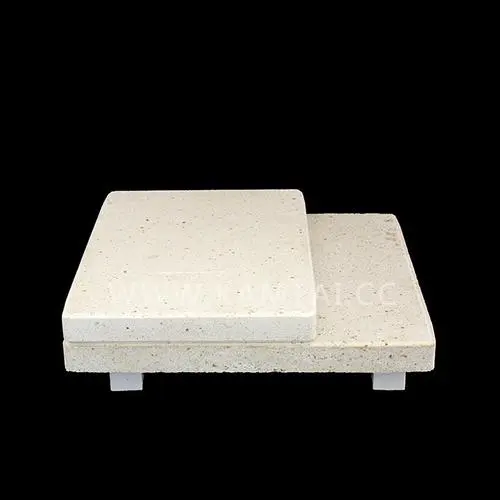
![Andalusite Pusher Tray [MM-LY-HZ75]](https://moatcity.com/wp-content/uploads/2024/10/222-2.jpg)

Leave a Reply