
The Advantages of 99% Alumina Sintering Trays in High-Temperature Applications
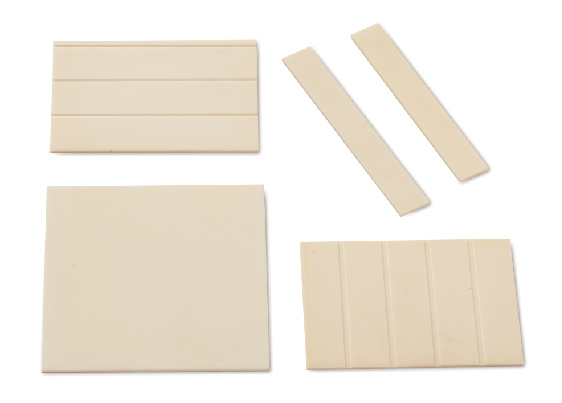
In the realm of advanced manufacturing, particularly in high-temperature processes, the choice of sintering tray material is critical. Among the various materials available, 99% alumina (aluminum oxide) trays stand out for their superior properties and performance. This blog post explores the significance of 99% alumina sintering trays, their advantages, and the range of applications they support in modern industries.
What Makes 99% Alumina Special?
Alumina, or aluminum oxide, is a ceramic known for its hardness, thermal stability, and resistance to chemical attack. When alumina is refined to a purity of 99%, it exhibits enhanced properties that make it particularly suitable for demanding environments. This level of purity ensures minimal presence of other elements, leading to fewer defects and greater material integrity under extreme conditions.
Key Properties:
High-Temperature Stability: 99% alumina can withstand temperatures up to 1750°C, making it ideal for high-temperature sintering processes.
Excellent Thermal Conductivity: This property ensures uniform heat distribution across the tray, which is crucial for achieving consistent sintering results.
Chemical Resistance: Alumina is inert to most acids and alkalis, which prevents contamination of the materials being processed and ensures the purity of the sintered products.
Wear and Corrosion Resistance: The hardness of 99% alumina contributes to its excellent wear resistance, extending the life of the trays even under abrasive conditions.
Advantages of 99% Alumina Sintering Trays
Improved Product Quality:
The use of 99% alumina sintering trays enhances the overall quality of the sintered products. The trays’ ability to withstand high temperatures without deformation ensures that there is no compromise in the shape or integrity of the components being processed. Additionally, their inert nature means there is no risk of chemical contamination, which is particularly important in industries like electronics and biomedicine.
Durability and Cost-Effectiveness:
While the initial investment in 99% alumina sintering trays might be higher than for trays made of less pure materials, their durability and resistance to wear translate into longer service life and fewer replacements. This reduces the long-term operational costs associated with tray maintenance and replacement.
Versatility:
Due to their robustness, 99% alumina trays are suitable for a wide range of applications. They can be used not only in traditional ceramics and metallurgy but also in the sintering of cutting-edge materials for aerospace, automotive, and electronic applications.
Industrial Applications
Electronics Manufacturing:
In the production of semiconductors and other electronic components, the thermal and chemical stability of 99% alumina trays ensure that the sensitive materials are processed in a contamination-free environment, maintaining the high quality required for these components.
Biomedical Sector:
For biomedical applications, particularly in the sintering of dental and orthopedic implants, the chemical inertness and biocompatibility of 99% alumina are critical. These trays ensure that the implants are free from any impurities that could affect their performance or safety.
Aerospace and Automotive:
The aerospace and automotive industries benefit from the use of 99% alumina trays in the sintering of high-performance ceramic components. The trays’ ability to endure extreme temperatures and environments ensures the integrity and performance of advanced material components used in these sectors.
Conclusion
99% alumina sintering trays are a cornerstone in high-temperature manufacturing, offering unmatched durability, performance, and purity. Their application across various high-tech industries underscores their importance in modern manufacturing processes. As technology advances and demands for higher performance materials increase, the role of 99% alumina trays is likely to grow, continually driving efficiencies and innovations in material science and engineering.

Leave a Reply