
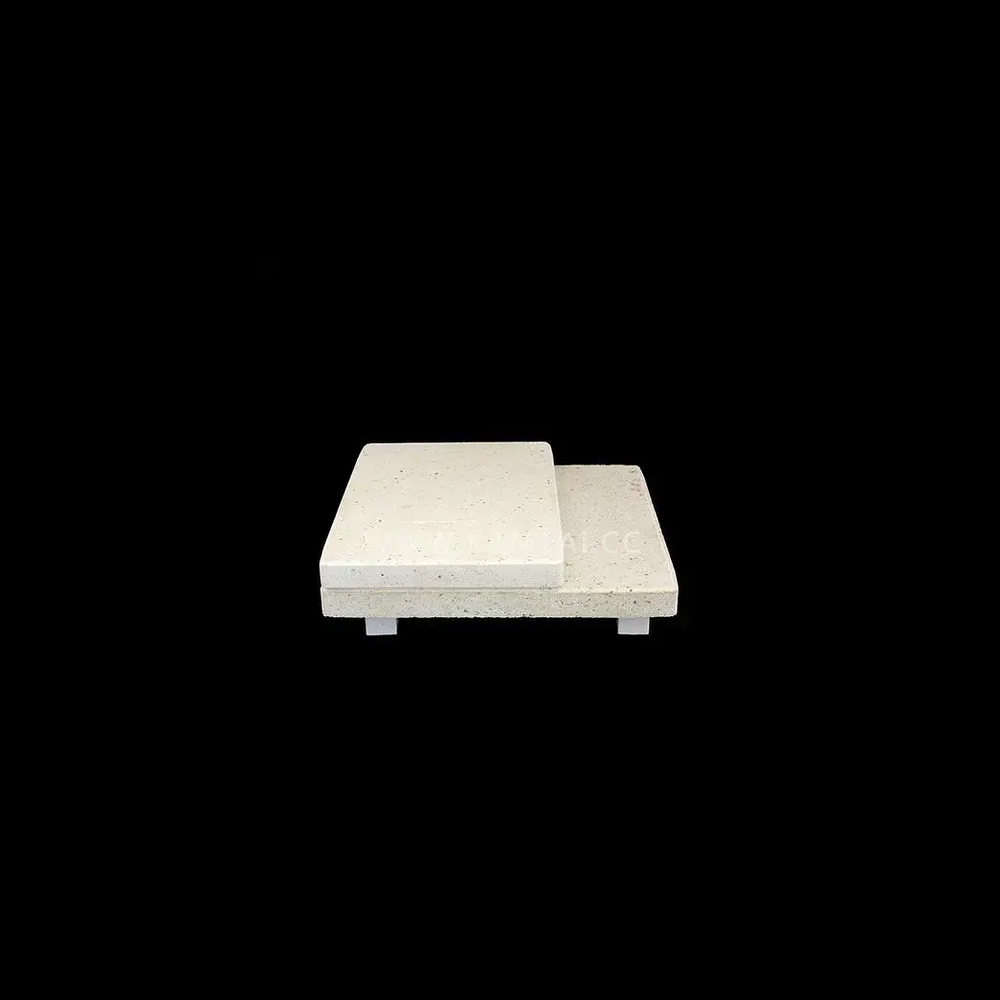
Revolutionary Applications of Porous Plates in the Energy Sector: From Fuel Cells to Energy Storage Devices
In the rapidly evolving field of energy technology, efficient and environmentally friendly materials are key to driving industry progress. Porous plates, a type of ceramic material characterized by high porosity, excellent thermal conductivity, and mechanical strength, are demonstrating immense potential in the energy sector. From fuel cells to solar cells and energy storage devices, the applications of porous plates are revolutionizing energy technology. This article delves into the specific applications of porous plates in the energy sector and explores their future development directions.
1. Applications of Porous Plates in Fuel Cells
Fuel cells, as efficient and clean energy conversion devices, rely heavily on electrode support materials. Porous plates, with their high porosity and good electrical conductivity, are an ideal choice for electrode support materials in fuel cells.
Role of Electrode Support Materials: Electrode support materials require high porosity to facilitate gas diffusion, along with good electrical conductivity and mechanical strength.
Advantages of Porous Plates: The high porosity of porous plates ensures efficient gas transport, while their ceramic matrix provides excellent high-temperature resistance and chemical stability.
Real-World Example: In solid oxide fuel cells (SOFCs), porous plates used as anode support materials significantly enhance power density and durability.
2. Applications of Porous Plates in Solar Cells
The efficiency of solar cells largely depends on their heat dissipation capabilities. Porous plates, with their superior thermal conductivity and lightweight properties, are an ideal choice for heat dissipation materials in solar cells.
Heat Dissipation Requirements: Solar cells generate substantial heat during operation, and failure to dissipate this heat can lead to reduced efficiency or even damage.
Advantages of Porous Plates: The high thermal conductivity of porous plates ensures rapid heat transfer, while their lightweight properties reduce overall weight.
Real-World Example: In concentrated photovoltaic (CPV) cells, porous plates used as heat dissipation substrates significantly improve conversion efficiency and lifespan.
3. Applications of Porous Plates in Energy Storage Devices
Energy storage devices, such as supercapacitors and lithium-ion batteries, have high requirements for material conductivity and mechanical strength. Porous plates, with their unique structural properties, show broad application prospects in energy storage devices.
Applications in Supercapacitors: As electrode materials, the high porosity of porous plates provides a larger surface area, thereby increasing the energy density of capacitors.
Applications in Lithium-Ion Batteries: As separator materials, the high porosity of porous plates ensures efficient ion transport, while their ceramic matrix offers excellent thermal stability and safety.
Real-World Example: In lithium-ion batteries for electric vehicles, porous plate separators significantly enhance charging/discharging efficiency and safety.
4. Future Development Directions of Porous Plates in the Energy Sector
As energy technology continues to advance, the application prospects for porous plates will become even broader. Future development directions for porous plates in the energy sector include:
Development of New Materials: The application of nano-ceramics and composite materials will further enhance the performance of porous plates.
Process Optimization: The introduction of 3D printing technology will enable customized production of porous plates.
Intelligent Manufacturing: The use of AI in process optimization will improve production efficiency and product consistency.
Conclusion
Porous plates, as a high-performance ceramic material, are demonstrating immense potential in the energy sector. From fuel cells to solar cells and energy storage devices, the applications of porous plates are revolutionizing energy technology. In the future, with the continuous development of new materials and processes, the applications of porous plates in the energy sector will become even more widespread, contributing significantly to global energy transition and sustainable development.

Leave a Reply