Revolutionary Applications of Porous Plates in Environmental Protection: High-Efficiency Filtration and the Future of Sustainable Development
As global environmental issues become increasingly severe, environmental technologies have become key to addressing air pollution, water pollution, and exhaust gas treatment. In this context, porous plates, a product of High-Temperature Co-fired Ceramic (HTCC) technology, are gaining prominence in the environmental protection field due to their unique structure and excellent performance. This article delves into the applications of porous plates in environmental protection, analyzes their advantages as high-efficiency filtration materials, and explores their potential in sustainable development.
1. Structure and Characteristics of Porous Plates
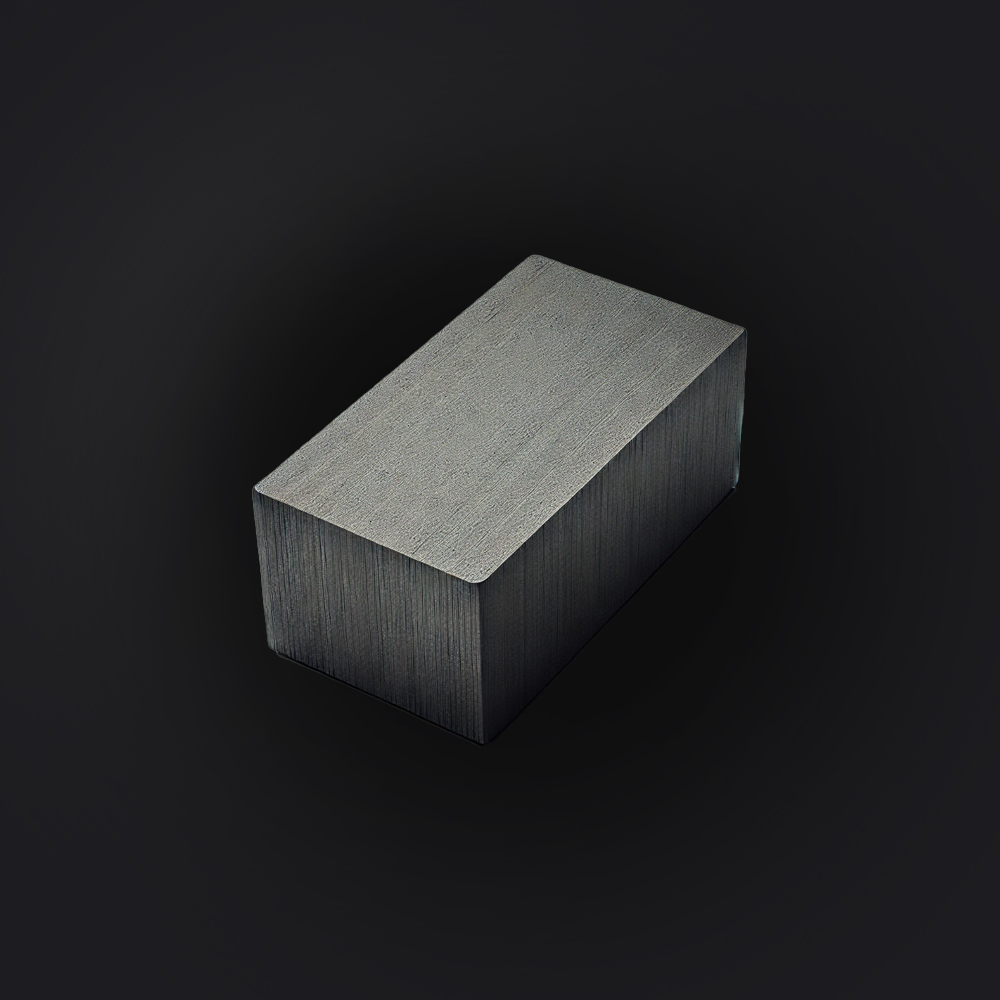
Porous plates are ceramic materials characterized by high porosity, low density, and excellent mechanical strength. Their unique pore structure makes them highly effective in filtration, adsorption, and catalytic reactions. Key features of porous plates include:
High Porosity: Porosity can reach 30%-70%, providing a large specific surface area.
High-Temperature Resistance: Stable performance in high-temperature environments, suitable for extreme conditions.
Chemical Stability: Resistant to corrosion, acids, and alkalis, making them suitable for various chemical environments.
Customizability: Pore size and distribution can be tailored by adjusting raw materials and processes.
These properties make porous plates an ideal filtration and separation material in the environmental protection field.
2. Applications of Porous Plates in Air Filtration
Air pollution is one of the major environmental challenges facing the world today. Porous plates are widely used in air filtration, including:
Efficient Particulate Matter Filtration: Micron-sized pores effectively capture airborne particles (PM2.5, PM10), improving air quality.
Industrial Exhaust Treatment: Used in industries such as steel and chemicals to filter harmful gases (e.g., SO₂, NOₓ) and dust.
Indoor Air Purification: Applied in household or commercial air purifiers for high-efficiency filtration.
Case Study: A chemical plant achieved a 90% reduction in particulate matter concentration in exhaust gases after adopting porous plate filters, significantly improving local air quality.
3. Applications of Porous Plates in Water Treatment
Water pollution is another critical global issue. Porous plates are used in water treatment for:
Membrane Separation Technology: Serving as membrane materials for microfiltration, ultrafiltration, and nanofiltration to remove suspended solids, bacteria, and organic matter.
Wastewater Treatment: Adsorbing heavy metal ions and organic pollutants in industrial wastewater.
Seawater Desalination: Their high corrosion resistance makes them suitable for desalination equipment, improving freshwater production rates.
Case Study: A wastewater treatment plant achieved 95% and 98% removal rates for COD (Chemical Oxygen Demand) and heavy metal ions, respectively, using porous plate membrane technology.
4. Applications of Porous Plates in Exhaust Gas Treatment
Harmful gases (e.g., VOCs, CO, NOₓ) in industrial exhaust pose serious threats to the environment and human health. Porous plates are used in exhaust gas treatment for:
Catalytic Converters: Serving as catalyst carriers for automotive and industrial exhaust, converting harmful gases into harmless substances.
Adsorption Materials: Their high specific surface area enables efficient adsorption of harmful components in exhaust gases.
High-Temperature Filtration: Their high-temperature resistance makes them ideal for filtering high-temperature exhaust gases.
Case Study: An automotive manufacturer reduced CO and NOₓ emissions by 80% and 70%, respectively, using porous plate catalytic converters.
5. Advantages and Challenges of Porous Plates
Advantages
High Efficiency: High porosity and customizable pore structure provide excellent filtration and adsorption performance.
Durability: Resistant to high temperatures and corrosion, suitable for harsh environments.
Environmental Friendliness: Recyclable materials align with sustainable development principles.
Challenges
High Cost: Raw materials and manufacturing processes are expensive, limiting large-scale applications.
Complex Processes: Precise control of porosity and sintering conditions is required during manufacturing.
Performance Consistency: Ensuring stability in mass production is challenging.
6. Future Development Directions
Porous plates have broad application prospects in environmental protection. Future development directions include:
New Material Development: Applications of nano-ceramics and composite materials to further enhance performance.
Process Optimization: Adoption of 3D printing and smart manufacturing technologies to reduce costs and improve efficiency.
Application Expansion: Exploration of uses in biomedical and energy storage fields.
Conclusion
As a high-performance ceramic material, porous plates demonstrate immense potential in environmental protection. From air filtration to water treatment and exhaust gas treatment, porous plates are providing innovative solutions to global environmental challenges with their unique structure and excellent performance. As technology continues to advance, porous plates will play an increasingly important role in sustainable development, creating a cleaner and healthier living environment for humanity.

Leave a Reply