
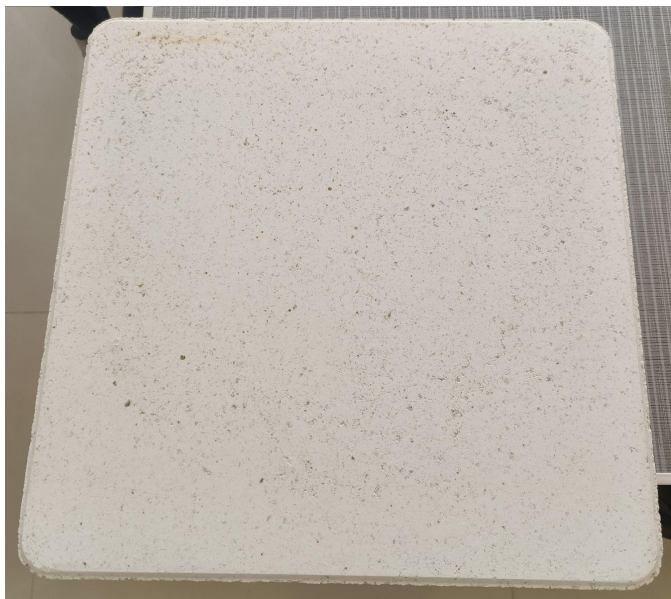
Quality Standards for Andalusite Refractory Tiles
Industry Standards
The quality standards for Andalusite refractory bricks are established by various international and national organizations, covering the chemical composition, physical properties, and testing methods of the product.
ISO Standards
The International Organization for Standardization (ISO) has developed general standards for refractory materials, including:
- ISO 12677 “Chemical Analysis Methods for Refractory Materials”: Specifies the methods for analyzing the chemical composition of refractory materials to ensure consistency and purity.
- ISO 836 “Sampling and Preparation of Refractory Materials for Testing”: Defines the methods for sampling and preparing test samples to ensure the reliability and comparability of test results.
These standards ensure consistency in the quality and performance of Andalusite refractory bricks worldwide.
ASTM Standards
The American Society for Testing and Materials (ASTM) has developed several standards for refractory materials, including:
- ASTM C71 “Standard Terminology Relating to Refractories”: Provides definitions for refractory material terminology to standardize industry terms.
- ASTM C416 “Standard Test Method for Thermal Expansion of High-Temperature Ceramic Materials”: Specifies the methods for determining the thermal expansion coefficient of materials at high temperatures, ensuring the stability of Andalusite refractory bricks in high-temperature environments.
These standards detail the physical property testing methods for Andalusite refractory bricks, ensuring their reliability in high-temperature applications.
GB Standards (Chinese National Standards)
China’s national standards (GB) include specific regulations for Andalusite refractory bricks, such as:
- GB/T 16545 “Terminology for Refractory Materials”: Defines basic terms for refractory materials.
- GB/T 5988 “Physical Properties Test Methods for Refractory Materials”: Specifies methods for testing the physical properties of refractory materials, including density, hardness, and thermal stability.
These standards ensure that Andalusite refractory bricks meet the quality requirements of the Chinese market.
Implementation of Standards
- Global Applicability:
- International Recognition: ISO and ASTM standards are widely adopted in international markets, ensuring that Andalusite refractory products meet the quality requirements of different countries and regions, enhancing their competitiveness in the global market.
- Localization Adaptation:
- National Standards: Each country develops its national standards based on industrial needs and environmental conditions, such as China’s GB standards, ensuring that products meet the specific demands of the local market.
Enterprise Standards
In addition to following international and national standards, companies often develop stricter internal quality standards to ensure superior and consistent product performance.
Quality Management
- Internal Standards Development:
- Higher Requirements: Companies set internal quality standards that are stricter than industry standards based on their production processes and market needs. These standards include higher physical performance requirements (such as higher density and lower thermal expansion coefficient) and stricter chemical composition control (such as lower impurity content).
- Quality Management Systems:
- ISO 9001 Certification: Companies implement ISO 9001 quality management system certification to ensure systematic and standardized quality management. The quality management system covers all stages, from raw material procurement and production process control to finished product testing, ensuring that every production step meets quality standards.
- Comprehensive Monitoring: The quality management system also includes comprehensive monitoring of the production process, ensuring that every step is controlled to guarantee product consistency and stability.
Impact on Quality
- Enhancing Product Performance:
- Strict enterprise standards and quality management systems ensure that Andalusite refractory bricks exhibit excellent performance in high-temperature environments, such as high thermal stability, wear resistance, and thermal shock resistance, improving product lifespan and safety.
- Enhancing Market Competitiveness:
- By implementing high-quality management standards, companies can produce Andalusite refractory products with superior performance and stable quality, enhancing market competitiveness and meeting high-quality customer demands.
Quality Control Measures
To ensure the high quality of Andalusite refractory bricks, companies implement a series of stringent quality control measures during the production process.
- Process Control
- Raw Material Inspection:
- High-Purity Andalusite Ore: During raw material procurement, companies conduct rigorous inspections of the purity, chemical composition, and physical properties of Andalusite ore to ensure that raw materials meet quality standards.
- Chemical Analysis: Advanced chemical analysis methods (such as X-ray fluorescence spectroscopy) are used to detect the chemical composition of the ore, ensuring the purity and consistency of each batch of raw materials.
- Production Process Monitoring:
- Modern Production Equipment: Companies use modern production equipment and precise monitoring instruments to monitor every step of the production process in real-time, such as forming, drying, and firing, ensuring that each step meets quality standards.
- Key Process Parameters: Monitoring and recording key process parameters (such as firing temperature, time, and atmosphere) ensure the uniformity and consistency of the physical properties and structure of the products.
- Raw Material Inspection:
- Testing Standards
-
- Finished Product Testing:
- Comprehensive Testing: Finished Andalusite refractory bricks undergo a series of stringent tests before leaving the factory, including:
- Thermal Expansion Coefficient Testing: Measures the material’s thermal expansion behavior at high temperatures to ensure its thermal stability.
- Thermal Shock Resistance Testing: Simulates rapid temperature changes to test the material’s thermal shock resistance.
- Wear Resistance Testing: Conducts friction and wear tests to measure the material’s wear resistance, ensuring its longevity in high-wear environments.
- Mechanical Performance Testing: Includes tests for flexural strength and compressive strength to ensure the bricks can withstand mechanical stress at high temperatures.
- Comprehensive Testing: Finished Andalusite refractory bricks undergo a series of stringent tests before leaving the factory, including:
- Third-Party Testing:
- Independent Certification: Companies also invite third-party testing organizations to conduct independent tests and certifications on their products, ensuring that they meet international standards and customer requirements, improving product credibility and market recognition.
- Certification Reports: Third-party testing agencies provide certification reports to customers and partners, confirming the high quality and reliability of the products.
- Finished Product Testing:
Through strict industry standards, enterprise standards, and quality control measures, Andalusite refractory bricks are guaranteed to meet the demands of high-temperature industries, offering excellent performance and stable quality to support high-temperature applications.
![Andalusite Pusher Tray [MM-LY-HZ75]](https://moatcity.com/wp-content/uploads/2024/10/222-2.jpg)

Leave a Reply