Maximizing Efficiency: The Role of Ceramic Furnace Setters in Powder Metallurgy
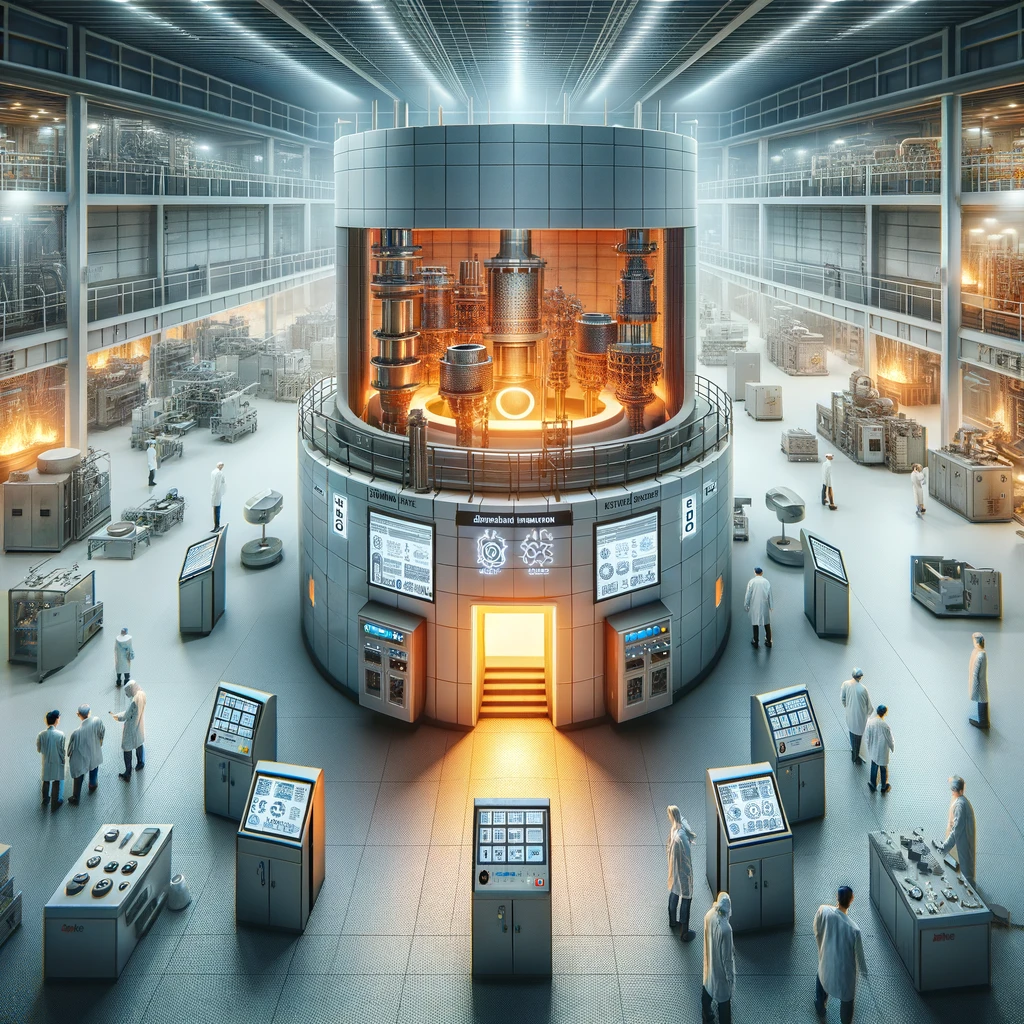
The art of powder metallurgy, a process that transforms metal powders into solid metal components, hinges significantly on the efficiency and quality of its sintering process. This is where ceramic furnace setters, often unsung heroes in the metallurgical industry, play a pivotal role. In this blog, we’ll delve into the critical function these setters serve in powder metallurgy and how they are indispensable for maximizing efficiency and enhancing product quality.
Understanding Powder Metallurgy
Powder metallurgy is a manufacturing technique that involves mixing metal powders, compacting them into desired shapes, and then heating (sintering) these shapes to form solid metal parts. This process allows for the production of complex shapes with a high level of precision and material utilization, making it ideal for producing components in industries ranging from aerospace to medical devices.
The Role of Ceramic Furnace Setters
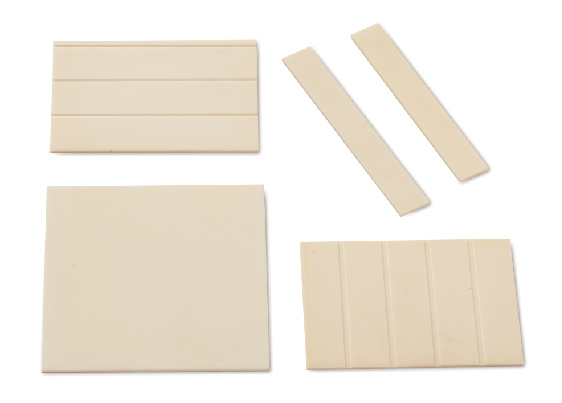
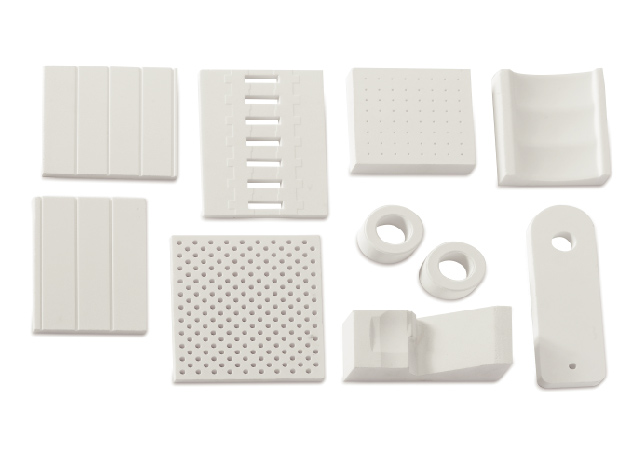
Ceramic furnace setters are specialized tools used during the sintering process. They are designed to support and contain metal parts within the furnace, ensuring that they maintain their shape and quality during heating. The use of ceramic materials for these setters is crucial due to their exceptional thermal stability, resistance to high temperatures, and minimal thermal expansion, which minimizes the risk of deformation to the parts being sintered.
Maximizing Thermal Efficiency
One of the primary benefits of using ceramic furnace setters is their ability to enhance thermal efficiency within the furnace. Their thermal conductivity is engineered to ensure uniform heat distribution, crucial for achieving consistent sintering across all parts. This uniformity is vital for maintaining the dimensional accuracy and mechanical properties of the sintered components.
Reducing Production Time
Ceramic setters also play a significant role in reducing production time. Their ability to withstand repeated heating cycles without degradation means that they can be used continuously over longer periods, thereby reducing the downtime required for setter replacement or maintenance. This durability significantly enhances production efficiency, allowing for more parts to be sintered within shorter time frames.
Enhancing Product Quality
The quality of the finished product is paramount in powder metallurgy. Ceramic furnace setters contribute to this by ensuring that parts are sintered in an environment that minimizes contamination. Unlike some other materials that might degrade or react with the metal powders, ceramics remain inert, ensuring that the sintered parts are free from impurities that could affect their performance.
Energy Conservation
In the broader context of sustainability and energy efficiency, the role of ceramic setters cannot be overstated. By optimizing heat distribution and reducing the need for frequent replacements, they contribute to lower energy consumption in the sintering process. This not only reduces operational costs but also aligns with the industry’s growing commitment to reducing its environmental footprint.
Conclusion
The importance of ceramic furnace setters in powder metallurgy extends far beyond their simple, functional design. They are critical in ensuring thermal efficiency, reducing production times, enhancing product quality, and conserving energy. As the demand for precision-engineered metal components grows across various industries, the role of these ceramic tools in maximizing efficiency and supporting sustainable manufacturing practices will only become more significant. Through continuous innovation in ceramic materials and setter design, the powder metallurgy industry can look forward to even greater advancements in efficiency and product quality.

Leave a Reply