
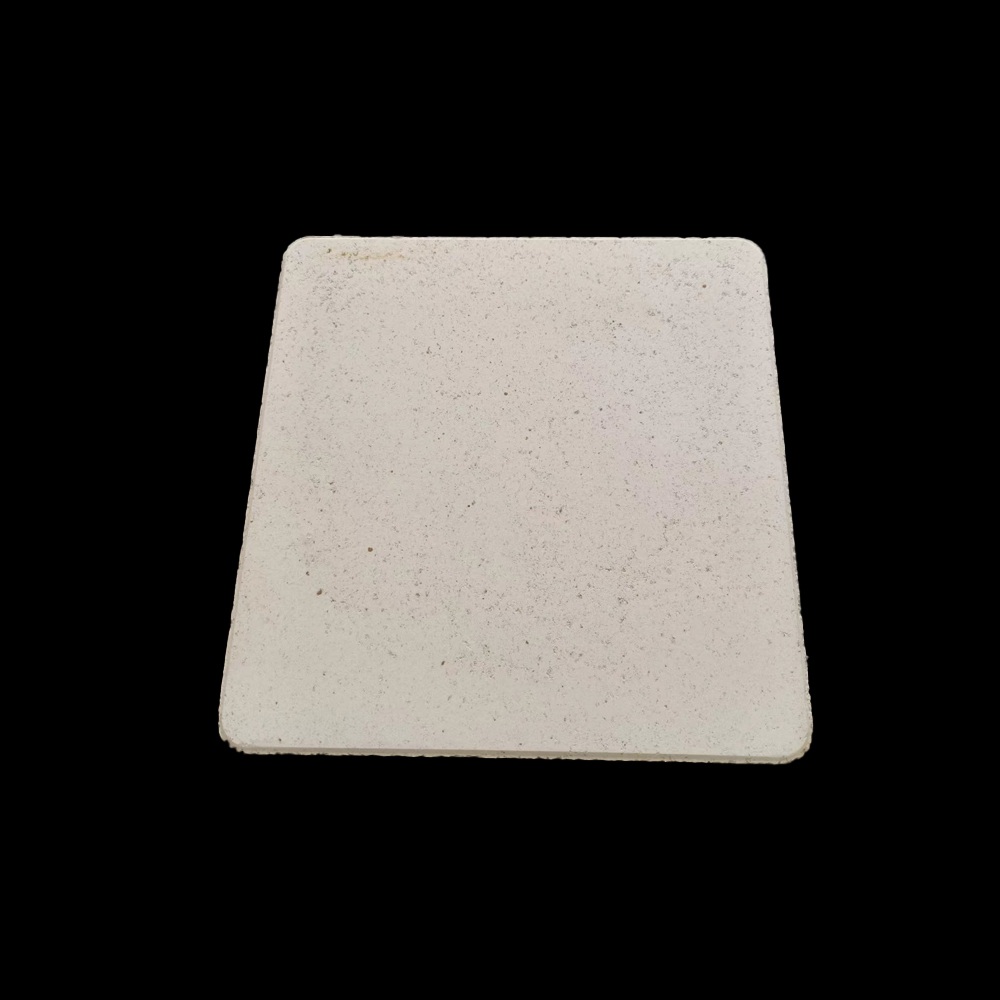
Future Development Trends of Porous Plates: New Materials, New Processes, and New Applications
Porous plates, as a key component in High-Temperature Co-fired Ceramic (HTCC) technology, have been widely used in fields such as electronic packaging, aerospace, and energy due to their unique pore structure and excellent performance. However, with the rapid advancement of technology, traditional materials and processes for porous plates are gradually struggling to meet the growing demand for high performance. This article explores the future development trends of porous plates, including the development of new materials, innovation in processes, and expansion into new application areas, revealing the cutting-edge dynamics of this field.
1. Development of New Materials
Traditional porous plates primarily use ceramic materials such as alumina and aluminum nitride. However, as application scenarios become more complex, single materials can no longer meet diverse needs. In the future, the development of new materials will become the core driver of porous plate technology.
Nanoceramic Materials: Nanoceramics have a higher specific surface area and stronger interfacial bonding capabilities, significantly enhancing the mechanical strength and thermal conductivity of porous plates. For example, nano-zirconia porous plates exhibit excellent stability and thermal shock resistance in high-temperature environments.
Composite Materials: By combining ceramics with metals, polymers, or other ceramics, composite materials with superior performance can be produced. For instance, silicon carbide-alumina composites not only have high hardness but also exhibit excellent wear and corrosion resistance, making them suitable for extreme environments.
Bioceramic Materials: In the biomedical field, porous bioceramics (such as hydroxyapatite) are widely used in bone repair and implants due to their excellent biocompatibility and osteoconductivity. In the future, such materials are expected to see larger-scale applications in the medical field.
2. Innovation in New Processes
Traditional manufacturing processes for porous plates mainly include tape casting, injection molding, and sintering. However, these processes still have limitations in terms of precision, efficiency, and cost. In the future, the introduction of new processes will drive innovation in porous plate manufacturing technology.
3D Printing Technology: 3D printing enables rapid prototyping of complex structures, offering possibilities for customized designs of porous plates. For example, selective laser sintering (SLS) technology can precisely control pore size and distribution, optimizing the performance of porous plates.
Gel Casting: This is a novel ceramic molding process that involves injecting ceramic slurry into a mold and solidifying it to produce high-precision, high-strength porous plates. This process has significant advantages in manufacturing large-sized, complex-shaped components.
Microwave Sintering Technology: Compared to traditional sintering, microwave sintering offers uniform heating, low energy consumption, and shorter processing times, effectively improving the density and performance consistency of porous plates.
3. Expansion into New Applications
With continuous advancements in materials and processes, the application areas of porous plates will further expand from traditional fields like electronic packaging and aerospace to emerging fields such as biomedicine, environmental protection, and smart manufacturing.
Biomedical Field: Porous plates show great potential in bone repair, drug delivery, and tissue engineering. For example, porous bioceramics can serve as bone scaffold materials, promoting the growth and differentiation of bone cells.
Environmental Protection Field: Porous plates have broad applications in air filtration, water treatment, and exhaust gas purification. For instance, porous ceramic membranes can be used to efficiently filter tiny particles and harmful substances in water.
Smart Manufacturing Field: With the advancement of Industry 4.0, porous plates will find increasing applications in sensors, intelligent cooling systems, and energy storage devices. For example, porous ceramic sensors can be used to monitor gas concentration and temperature changes in real-time in high-temperature environments.
4. Introduction of Smart Manufacturing
In the future, smart manufacturing technologies will become a significant trend in porous plate production. By incorporating artificial intelligence (AI) and big data technologies, process parameters can be optimized, and production processes can be monitored in real-time, thereby improving product quality and production efficiency.
AI-Optimized Process Parameters: Machine learning algorithms can analyze large amounts of experimental data to quickly identify optimal process parameter combinations, reducing trial-and-error costs.
Smart Production Lines: The introduction of automated equipment and Internet of Things (IoT) technologies can enable fully automated production of porous plates, enhancing production efficiency and product consistency.
Quality Prediction and Monitoring: By collecting real-time production data and integrating AI models, product quality can be predicted, and potential issues can be identified in advance, reducing defect rates.
5. Conclusion and Outlook
As a critical component of HTCC technology, the future development of porous plates will focus on new materials, new processes, and new applications. The development of nanoceramics, composite materials, and bioceramics will further enhance the performance of porous plates; innovations such as 3D printing, gel casting, and microwave sintering will drive advancements in manufacturing technology; and applications in emerging fields such as biomedicine, environmental protection, and smart manufacturing will open up broader market opportunities for porous plates. In the future, with the introduction of smart manufacturing technologies, the production of porous plates will become more efficient, precise, and sustainable.

Leave a Reply