
Exploring the Role of Alumina Kiln Furniture in Metal Injection Molding (MIM) Processes
Introduction to Metal Injection Molding (MIM) Technology
Metal Injection Molding (MIM) is a revolutionary manufacturing process that combines the versatility of plastic injection molding with the strength and integrity of metals. MIM is widely used for producing stainless steel parts, enabling manufacturers to create complex shapes that would be difficult or impossible to achieve with traditional casting or machining methods. Its ability to efficiently handle high-volume production makes MIM the preferred choice for industries such as automotive, aerospace, medical devices, and consumer electronics.
The Crucial Role of Fixtures in MIM
In the MIM process, fixtures play an essential role. Fixtures are sturdy structures that support metal parts during the high-temperature sintering process, a critical stage for achieving the required strength and dimensional accuracy of the final product. The quality of the fixtures directly impacts the efficiency and outcomes of the sintering process, which in turn affects the overall productivity and quality control in MIM operations.
Why Pure Alumina Stands Out
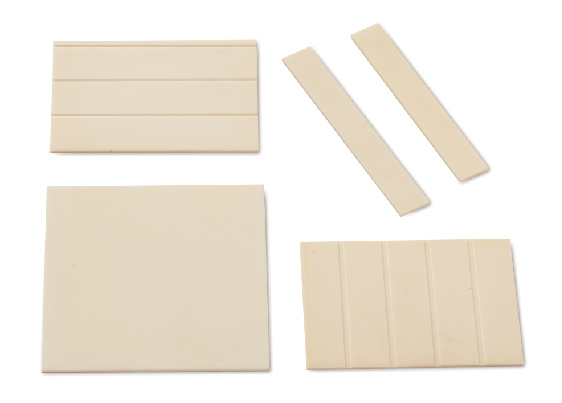
Among the materials used for fixtures, pure alumina (aluminum oxide) is often the material of choice due to its exceptional performance. Alumina fixtures have a high melting point and excellent thermal stability, allowing them to withstand the extreme temperatures typically required in the MIM process without bending or degrading. Its resistance to thermal shock enables rapid temperature changes within the furnace, which is essential for energy-efficient operations. Furthermore, alumina has minimal risk of contamination, ensuring that the sintered parts maintain their purity and mechanical properties.
The Benefits of Using Pure Alumina: A Deeper Insight
The benefits of using pure alumina as fixtures in the MIM process are multifaceted. Due to its inherent hardness and strength, alumina enhances the durability of fixtures, reducing the need for frequent replacements and maintenance. This durability also means that alumina fixtures can handle heavier loads, making them suitable for scaling up production without compromising quality or safety.
Practical Applications and Case Studies
Several case studies highlight the effectiveness of alumina fixtures in optimizing the MIM process. For instance, a leading automotive parts manufacturer switched to alumina fixtures and reported a significant reduction in production downtime due to the improved durability and thermal efficiency of alumina. This change not only improved the quality of sintered parts but also saved costs by reducing energy consumption and maintenance needs.
Moat City: Leading the Way in Alumina Fixture Manufacturing
Moat City has become a leading supplier of high-quality alumina fixtures. With years of expertise and a commitment to innovation, Moat City offers custom solutions that meet the specific requirements of the MIM process. Their products are designed to maximize furnace capacity and efficiency, ensuring that customers achieve optimal results in their manufacturing operations.
Conclusion
Integrating pure alumina fixtures into the Metal Injection Molding process represents a significant advancement in manufacturing technology. With its superior performance and the support of industry leaders like Moat City, alumina fixtures continue to set new standards for the efficiency and quality of mass production of metal parts. As the industry evolves, such innovative solutions play an increasingly important role in meeting the growing demands for precision and durability in advanced manufacturing.

Leave a Reply