
Ensuring Excellence: Distinguishing the Quality of Kiln Furniture in MLCC Sintering
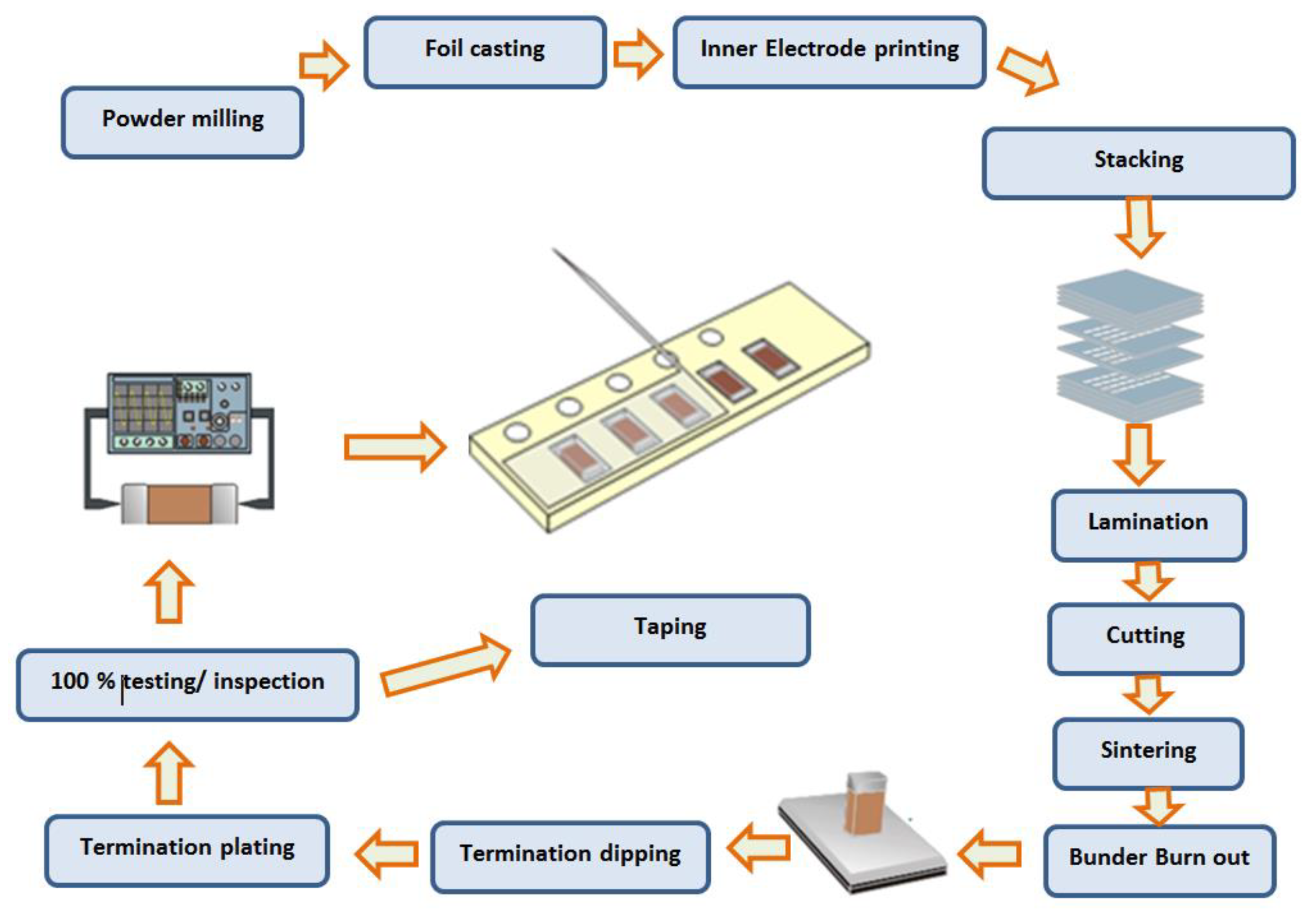
In the world of electronics manufacturing, the production of Multi-Layer Ceramic Capacitors (MLCCs) is a critical process that demands precision, reliability, and efficiency. A pivotal component of this process is the sintering stage, where the physical and electrical properties of MLCCs are finalized. Central to the success of this stage is the kiln furniture used within the sintering kilns. High-quality kiln furniture is essential for achieving optimal sintering outcomes, impacting the efficiency of the sintering process and the quality of the final MLCC products. This professional blog offers insights into distinguishing the quality of kiln furniture in MLCC sintering, ensuring manufacturers can make informed decisions to uphold the highest standards of production.
Understanding Kiln Furniture in MLCC Sintering
Kiln furniture serves to support and carry MLCCs through the sintering process, withstanding high temperatures and ensuring the uniform treatment of components. The quality of kiln furniture directly affects the thermal uniformity, mechanical stability, and overall efficiency of the sintering process. Given its significance, discerning the quality of kiln furniture becomes paramount for manufacturers.
Criteria for Distinguishing Quality Kiln Furniture
The selection of high-quality kiln furniture for MLCC sintering should be guided by several critical criteria, including material composition, thermal shock resistance, thermal conductivity, mechanical strength, and more. Here’s how to evaluate these factors effectively:
1. Material Composition and Purity
- Choose High-Purity Materials: Opt for kiln furniture made from materials with minimal impurities to prevent contamination during sintering. Silicon carbide, cordierite, mullite, and alumina are commonly used due to their high-temperature resistance and chemical stability.
2. Thermal Shock Resistance
- Evaluate Resistance to Temperature Changes: Quality kiln furniture must endure rapid temperature fluctuations without cracking. This is essential for maintaining the integrity of the MLCCs throughout numerous sintering cycles.
3. Thermal Conductivity
- Ensure Efficient Heat Distribution: The kiln furniture should facilitate uniform heat distribution to guarantee consistent sintering outcomes. This plays a critical role in minimizing defects and achieving uniform product quality.
Quality of Kiln Furniture in MLCC Sintering
4. Mechanical Strength
- Assess Load Bearing Capacity: High-quality kiln furniture must support the weight of stacked MLCCs without deformation at sintering temperatures, ensuring the precise alignment and spacing necessary for optimal sintering.
Quality of Kiln Furniture in MLCC Sintering
5. Dimensional Stability
- Check for Consistent Dimensions Under Heat: Select kiln furniture that maintains its shape and size under high temperatures to uphold tight tolerances required for the MLCC layers during sintering.
Quality of Kiln Furniture in MLCC Sintering
6. Resistance to Chemical Attack
- Confirm Chemical Inertness: The kiln furniture should not react with the materials being sintered or the sintering atmosphere, avoiding any potential contamination or alteration of MLCC properties.
7. Durability and Lifespan
- Look for Long-lasting Materials: Choose kiln furniture that demonstrates durability and wear resistance across numerous sintering cycles to reduce replacement costs and maintain consistent production quality.
8. Manufacturer Reputation and Product Reviews
- Select Trusted Suppliers: Partner with manufacturers known for their quality and reliability. Feedback from other users can provide valuable insights into the performance and longevity of their kiln furniture.
9. Compliance with Industry Standards
- Verify Certifications: High-quality kiln furniture often meets specific industry standards and certifications, indicating its suitability for MLCC sintering applications.
Quality of Kiln Furniture in MLCC Sintering
10. Customization Capabilities
- Consider Custom Solutions: Manufacturers that offer customized kiln furniture options can provide solutions tailored to specific sintering needs, enhancing the process’s overall efficiency and output quality.
Conclusion
The quality of kiln furniture is a fundamental factor in the successful sintering of MLCCs, impacting not only the efficiency of the process but also the performance and reliability of the final products. By carefully evaluating kiln furniture against the criteria outlined above, manufacturers can ensure they select the best possible solutions to support their MLCC sintering operations. As the demand for MLCCs continues to grow, driven by advancements in electronics, the emphasis on high-quality kiln furniture will become ever more critical, underscoring the importance of informed selection and procurement strategies.
![Silicon Carbide Board [MH-KX-SiC]](https://moatcity.com/wp-content/uploads/2024/10/1728636817408.png)


Leave a Reply