

Comparing Ceramic Furnace Setters: Corundum Mullite vs. 99% Alumina vs. Zirconia
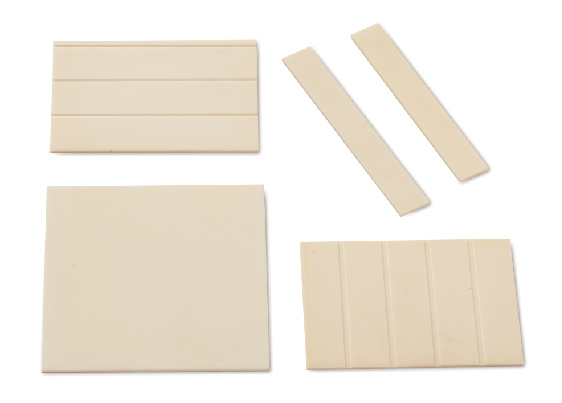
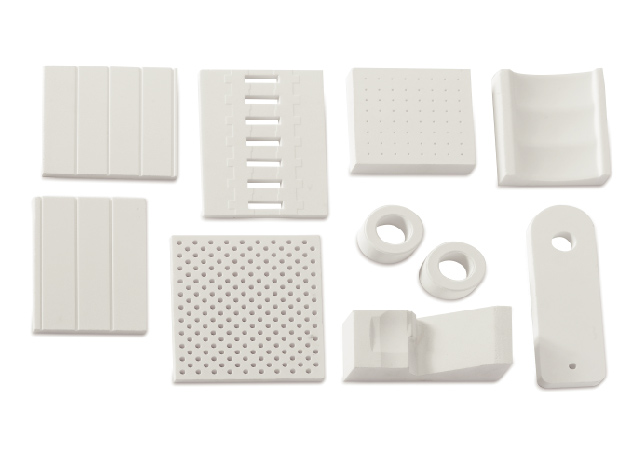
In the intricate world of Metal Injection Molding (MIM), achieving the desired quality and precision in metal parts is not just about the molding process itself but also significantly about the sintering phase. Here, ceramic furnace setters play a pivotal role, serving as the foundation upon which metal parts are sintered. These setters, crafted from materials like corundum mullite, 99% alumina, and zirconia, are chosen for their ability to withstand extreme temperatures and their inertness to chemical reactions. This blog delves into a comparative analysis of these three ceramic materials, helping manufacturers make informed decisions based on their specific needs.
Corundum Mullite: The Balanced Choice
Corundum Mullite is a composite ceramic material that harnesses the high-temperature stability of alumina (corundum) with the excellent thermal shock resistance of mullite. This combination makes corundum mullite setters an attractive option for applications requiring frequent thermal cycling within high-temperature environments. Its balanced properties include:
- High Thermal Stability: It can withstand temperatures up to 1,700°C, making it suitable for most MIM processes.
- Exceptional Thermal Shock Resistance: Minimizes the risk of cracking under rapid temperature changes.
- Low Thermal Expansion: Ensures dimensional stability, crucial for maintaining the precision of parts.
99% Alumina: The High Purity Performer
99% Alumina (Aluminum Oxide) stands out for its high purity, making it the material of choice for environments where chemical inertness and wear resistance are paramount. Its characteristics are highly beneficial for sintering processes that demand uncontaminated atmospheres and where part purity is a must. Key advantages include:
- Chemical Inertness: Highly resistant to corrosion and chemical reactions, ensuring no contamination of parts.
- High-Temperature Capability: Capable of operating in environments up to 1,750°C.
- Excellent Wear Resistance: Ensures a longer life for the setters, offering better investment returns over time.
Zirconia: The Tough and Thermal Barrier
Zirconia is revered for its toughness and excellent thermal insulation properties, which are unmatched by many other ceramics. It’s the material of choice for sintering processes that require high mechanical strength and insulation. Zirconia’s prominent features are:
- High Strength and Toughness: Offers superior resistance to cracking and wear.
- Thermal Insulation: Provides excellent thermal barrier properties, making it ideal for energy-efficient sintering operations.
- Low Thermal Conductivity: Reduces heat loss and ensures uniform temperature distribution across the part.
Making the Right Choice
When deciding between corundum mullite, 99% alumina, and zirconia for your MIM furnace setters, consider the following factors:
- Operating Environment: The maximum temperature and the presence of corrosive materials or chemicals should guide your material choice.
- Thermal Shock Requirements: If your process involves rapid temperature changes, materials with high thermal shock resistance like corundum mullite may be preferred.
- Mechanical Strength Needs: For applications requiring high mechanical strength and toughness, zirconia would be the best option.
- Economic Considerations: While initial costs are a factor, also consider the longevity and durability of the setters, as materials like 99% alumina can offer longer service life.
Conclusion:
In conclusion, each material offers unique advantages for use as ceramic furnace setters in the Metal Injection Molding process. Corundum mullite provides a balanced solution for thermal stability and shock resistance, 99% alumina offers unparalleled chemical inertness and wear resistance, and zirconia stands out for its mechanical strength and thermal insulation. Understanding the specific requirements of your MIM process will guide you to the most suitable material choice, ensuring optimal performance and quality of the sintered parts.

Leave a Reply