
Advantages of Advanced Alumina/Zirconia Kiln Furniture in MLCC Sintering
The sintering process in Multi-Layer Ceramic Capacitor (MLCC) manufacturing is a critical step that directly impacts the quality, performance, and reliability of the final product. As the electronics industry continues to demand higher performance and more compact MLCCs, the role of kiln furniture has become increasingly important. Advanced alumina and zirconia kiln furniture have emerged as key players in this arena, offering significant advantages over traditional kiln furniture materials. This blog explores the benefits of using advanced alumina/zirconia kiln furniture in the sintering process of MLCCs.
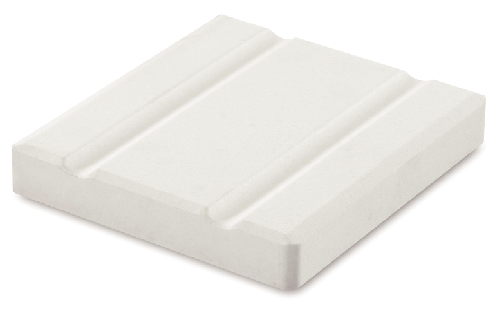
Zirconia Kiln Furniture
Enhanced Thermal Stability
One of the primary advantages of advanced alumina and zirconia materials is their exceptional thermal stability. They can withstand the high temperatures required for MLCC sintering without deforming or losing strength. This stability ensures that the MLCCs are evenly sintered, resulting in consistent product quality and performance.
Superior Mechanical Strength
Alumina and zirconia are known for their high mechanical strength, which is crucial for supporting the weight of stacked capacitors during the sintering process. Their ability to maintain structural integrity at high temperatures ensures that the kiln furniture does not warp or sag, preventing damage to the MLCCs and ensuring that they maintain their shape and dimensions.
Zirconia Kiln Furniture
Reduced Contamination Risk
Advanced alumina and zirconia materials are highly pure and do not release contaminants at high temperatures. This purity is essential for preventing contamination of the MLCCs during sintering, which can significantly affect the capacitors’ electrical properties and reliability. The use of these advanced materials helps in maintaining the integrity of the MLCCs’ dielectric and electrode layers.
Increased Energy Efficiency
The thermal properties of advanced alumina and zirconia contribute to improved energy efficiency in the sintering process. Their ability to quickly achieve and evenly distribute heat reduces the time and energy required for sintering. Furthermore, their low thermal mass allows for rapid cooling, decreasing cycle times and increasing throughput.
Zirconia Kiln Furniture
Enhanced Durability and Longevity
The durability of advanced alumina and zirconia kiln furniture significantly reduces the need for frequent replacements, contributing to lower maintenance costs and less downtime. Their resistance to thermal shock and wear ensures that they can withstand repeated sintering cycles, making them a cost-effective solution in the long term.
Improved Productivity
By enabling faster sintering cycles, reducing contamination risk, and minimizing product losses due to deformation or damage, advanced alumina and zirconia kiln furniture directly contribute to improved productivity in MLCC manufacturing. The ability to maintain consistent quality and performance across batches also reduces the need for rework and enhances overall production efficiency.
Conclusion
The adoption of advanced alumina and zirconia kiln furniture in the sintering process of MLCCs offers a myriad of advantages, including enhanced thermal stability, superior mechanical strength, reduced contamination risk, increased energy efficiency, and improved productivity. These benefits not only enhance the quality and performance of the MLCCs but also contribute to more sustainable and cost-effective manufacturing processes. As the electronics industry continues to evolve, the importance of selecting the right kiln furniture materials to meet the demanding requirements of MLCC sintering will remain paramount.

![Silicon Carbide Board [MH-KX-SiC]](https://moatcity.com/wp-content/uploads/2024/10/1728636817408.png)

Leave a Reply