Future Directions and Challenges in the Development of Aluminum Nitride Refractory Materials
Aluminum nitride (AlN) has emerged as a novel refractory material, gaining attention for its exceptional thermal conductivity, high-temperature resistance, and corrosion resistance. With advancements in technology and the diversification of industrial needs, the development of aluminum nitride faces new opportunities and challenges. In this blog post, we will explore the future directions for research on aluminum nitride refractory materials and the various challenges that may arise during this process.
Directions for Technological Development
Enhancing Material Performance
The comprehensive performance of aluminum nitride is foundational for its wide application. Future research will focus on several key areas:
Improving Heat Resistance: Stability in high-temperature environments is critical for aluminum nitride. Researchers are exploring nanostructure design and doping techniques to enhance its heat resistance. This can not only extend the material’s service life but also ensure reliability under extreme conditions, such as in aerospace and metallurgy.
Optimizing Thermal Conductivity: The thermal conductivity of aluminum nitride is essential for heat dissipation in electronic devices. Research will concentrate on the effects of different doping elements on thermal conductivity to achieve higher heat transfer efficiency. Recent studies have increasingly investigated the impact of adding certain metals or non-metals to enhance aluminum nitride’s thermal performance in high-power electronic devices.
Green Manufacturing Technologies
As environmental awareness increases, the production processes for aluminum nitride will emphasize sustainability:
Eco-Friendly Raw Materials: Finding low-impact raw materials will be a key direction for future research. By utilizing renewable resources or recycling waste, the consumption of natural resources can be reduced, achieving resource circularity.
Low-Energy Processes: Developing energy-efficient production methods is crucial. For instance, employing advanced heat treatment technologies and efficient production equipment can reduce energy consumption during manufacturing, leading to lower carbon emissions and helping companies meet sustainability goals.
Development of Functional Materials
Future research on aluminum nitride will also focus on functionalization, aiming to realize greater application value:
Smart Materials: Combining sensor technology, researchers are developing aluminum nitride materials with self-sensing capabilities to meet the needs of smart manufacturing and the Internet of Things. Such materials can not only perform excellently under extreme conditions but also provide real-time monitoring of their status, offering data support for industrial applications.
Multi-Functional Composite Materials: Exploring the composite applications of aluminum nitride with other materials will enhance its multifunctionality in areas such as fire resistance, insulation, and structural strength. This multifunctional characteristic will enable aluminum nitride to find applications across a wider range of industries, including construction, aerospace, and power.
Challenges Faced
Cost Control The relatively high production cost of aluminum nitride limits its widespread adoption. Thus, research teams need to find effective methods to reduce costs:
Scale-Up Production: Optimizing production processes and equipment to enhance aluminum nitride’s production efficiency can help lower unit costs. This may involve investing in high-efficiency production equipment and automating processes to improve overall economic benefits.
Circular Economy: Exploring the recycling of waste generated during aluminum nitride production can lower raw material procurement costs. For example, reusing scraps produced during manufacturing can form a closed-loop production system, reducing costs while promoting environmental sustainability.
Standardization of Technology
Although aluminum nitride has a wide range of applications, the lack of uniform industry standards currently limits the evaluation and application of its performance. Therefore, future efforts should focus on:
Establishing Standards: Industry associations should collaborate with enterprises and research institutions to develop uniform performance standards for aluminum nitride, ensuring its effectiveness across various industries. The establishment of such standards will also help increase consumer trust in aluminum nitride, facilitating market acceptance.
Market Acceptance
Despite its many excellent characteristics, the acceptance of aluminum nitride remains low in some traditional industries. Solutions to this issue may include:
Education and Training: Organizing industry seminars and training sessions will help enhance the understanding and application capabilities of enterprises and engineers regarding aluminum nitride. Through case studies and practical demonstrations, stakeholders can better appreciate the advantages of aluminum nitride and its performance in specific applications, thus promoting market acceptance.
Conclusion
The future of research on aluminum nitride refractory materials holds significant promise, but it also faces several challenges. By enhancing material performance, promoting green manufacturing, and developing functional materials, as well as addressing issues related to cost, standardization, and market acceptance, aluminum nitride is poised to find applications in even broader fields. Ongoing research and innovation will inject new vitality into the future development of this material, allowing it to secure a foothold in the global refractory materials market. As the demand for high-performance, eco-friendly materials continues to grow, the potential of aluminum nitride will further be realized, driving the upgrading and transformation of related industries.
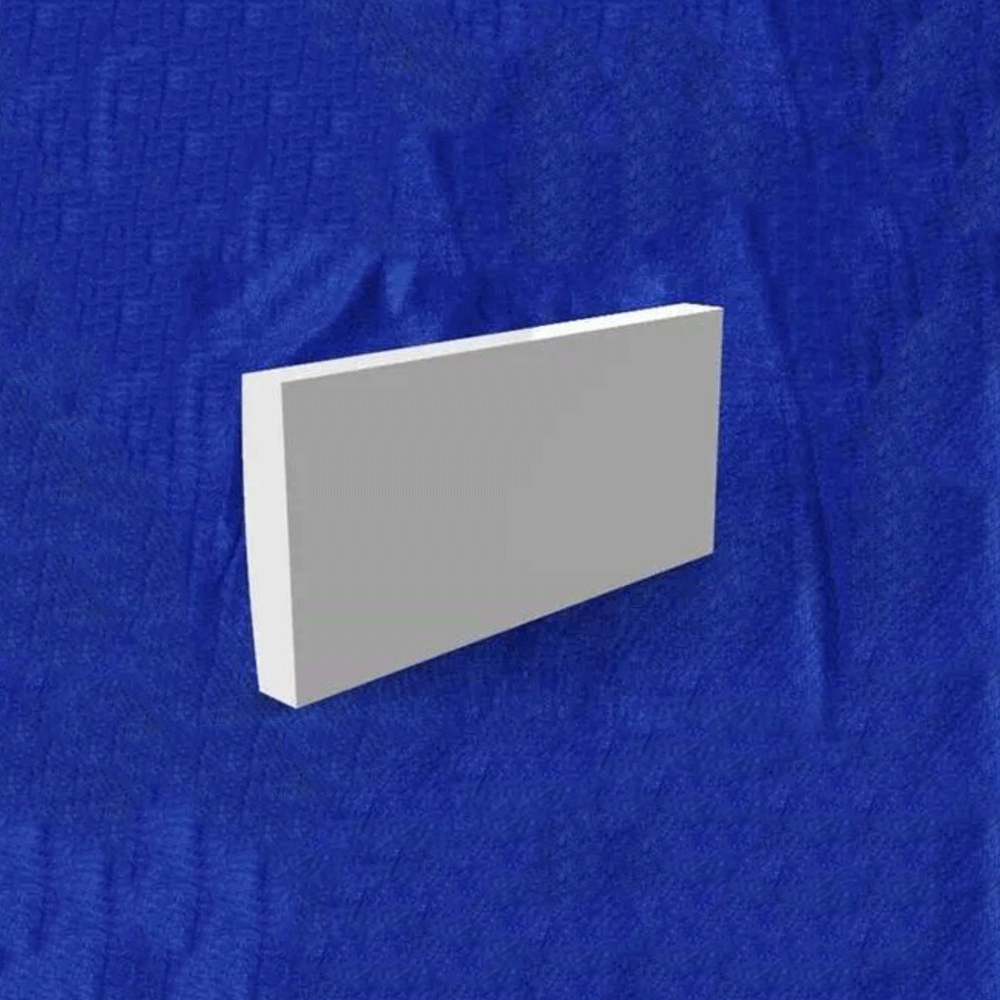
![Aluminium Nitride Substrate [MH-ZT-Aluminium Nitride]](https://moatcity.com/wp-content/uploads/2024/10/11.jpg)
![Aluminium Nitride Tray [MH-ALNC995 -AluminiumNitride]](https://moatcity.com/wp-content/uploads/2024/10/111.jpg)

Leave a Reply