What Is a Silicon Carbide Sagger? A Basic Guide
In high-temperature industries such as ceramics, powder metallurgy, lithium battery materials, and magnetic materials, the importance of thermal containment solutions cannot be overstated. One of the most robust and reliable materials used in these sectors is Silicon Carbide (SiC), particularly in the form of saggers.
So what exactly is a Silicon Carbide sagger, and why has it become a go-to choice for many thermal processing applications? This blog post provides a foundational understanding of SiC saggers, their properties, and where they are used.
What Is a Sagger?
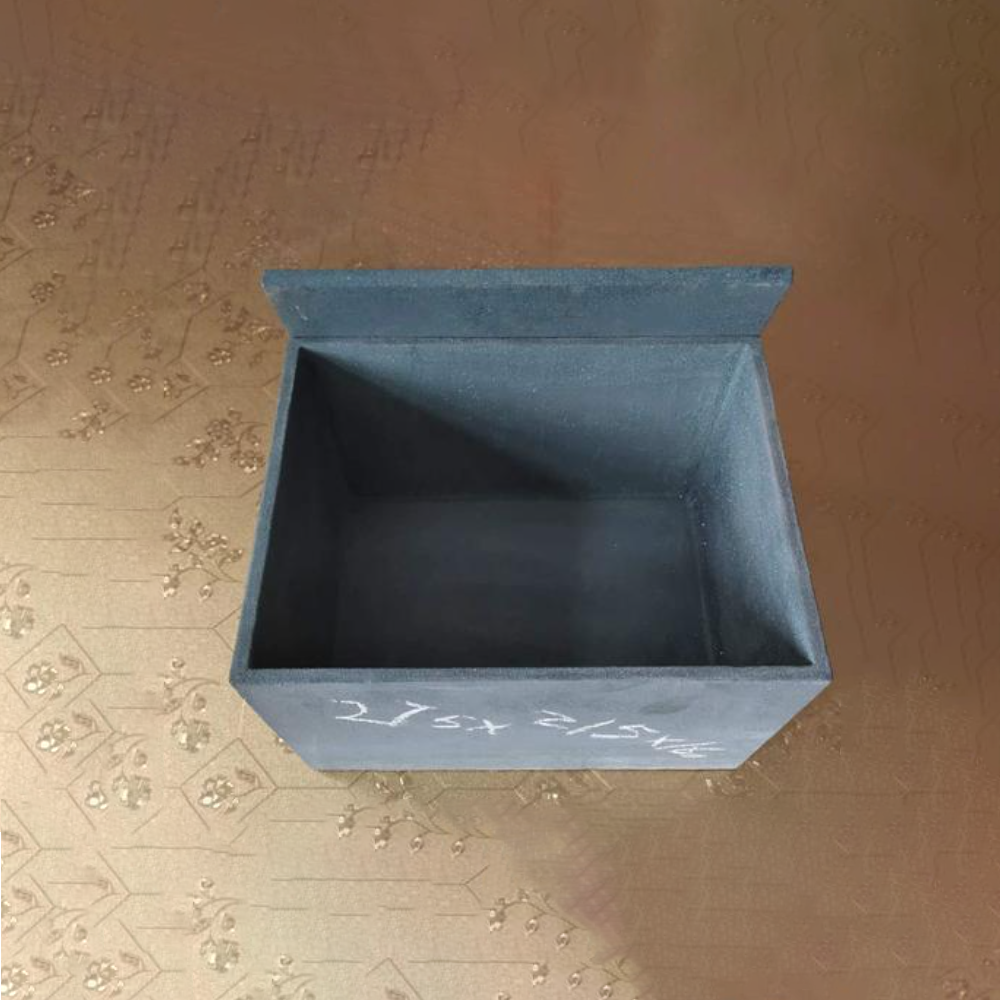
A sagger is a refractory container used in high-temperature kilns and furnaces to hold powders, parts, or components during sintering, firing, or calcination processes. It protects materials from direct flame, contamination, and uneven heating. Essentially, the sagger is a thermal barrier between the product and the furnace environment.
Traditional sagger materials include alumina, cordierite, mullite, and more recently, silicon carbide—a material that offers superior performance in many demanding applications.
What Is Silicon Carbide (SiC)?
Silicon Carbide is a compound of silicon and carbon, known for its extreme hardness (Mohs scale 9.5), high thermal conductivity, chemical stability, and resistance to wear and corrosion. It is used in applications where materials must endure high thermal loads, rapid temperature changes, and chemically reactive environments.
There are several types of SiC based on the production method:
Reaction-bonded SiC (RB-SiC)
Sintered SiC (SSiC)
Nitride-bonded SiC (NB-SiC)
These different types influence the performance and cost of SiC saggers.
Why Use Silicon Carbide for Saggers?
Silicon Carbide saggers provide several advantages over traditional refractory materials:
- High Thermal Conductivity
SiC allows for more uniform temperature distribution inside the sagger, reducing hot spots and improving product consistency during firing.
- Excellent Thermal Shock Resistance
Rapid heating and cooling cycles can crack traditional materials. SiC saggers are much more resistant to thermal stress, meaning fewer failures and longer service life.
- Mechanical Strength at High Temperatures
SiC retains structural strength even above 1400°C, which is essential for supporting heavy loads in high-temperature processes.
- Chemical Inertness
SiC is highly resistant to chemical attack, making it ideal for applications where materials release volatile gases or react with their surroundings.
- Longer Service Life
Due to their durability, SiC saggers can often last 3–5 times longer than alumina or cordierite counterparts, especially in harsh conditions.
Applications of SiC Saggers
The versatility of Silicon Carbide saggers makes them suitable for a wide range of industrial processes:
Lithium Battery Cathode Material Sintering
(e.g., NCM, LFP) where high-purity, oxidation-resistant saggers are needed.
Advanced Ceramics Production
Including high-tech substrates, spark plugs, and piezoelectric components.
Powder Metallurgy & Metal Injection Molding (MIM)
Where sintering must occur in a controlled, inert, or reducing atmosphere.
Magnetic Materials (Ferrites)
That require consistent heating to ensure homogeneity.
Comparison: SiC vs. Traditional Sagger Materials
| Property | Silicon Carbide | Alumina | Mullite | Cordierite |
| Max Service Temp (°C) | 1600–1700 | ~1600 | ~1500 | ~1350 |
| Thermal Shock Resistance | Excellent | Poor | Moderate | Poor |
| Thermal Conductivity | High | Medium | Low | Low |
| Cost | Higher | Medium | Lower | Low |
| Lifespan | Long | Medium | Short | Short |
While SiC saggers may come with a higher upfront cost, their extended service life and reliability often make them more economical over time.
Limitations of Silicon Carbide Saggers
While SiC saggers are impressive, they do have limitations:
Cost: Higher than many traditional refractories.
Oxidation at Very High Temperatures: Prolonged use in oxidative environments above 1500°C can lead to surface degradation unless protective coatings are applied.
Brittleness: While mechanically strong, SiC is still brittle and can crack if mishandled.
Conclusion
Silicon Carbide saggers represent a significant advancement in high-temperature material containment. Their unique combination of strength, durability, and thermal performance makes them ideal for demanding industrial applications.
If you’re operating a high-temperature process where temperature control, longevity, and contamination resistance are critical, SiC saggers are worth considering—even if the initial investment is higher. Over time, their superior durability and performance often lead to lower operating costs and better product quality.

Leave a Reply