
Unveiling the Power of Technical Ceramics: Revolutionizing Industries Worldwide
Ceramics, renowned for their versatility, durability, and thermal stability, have evolved beyond traditional pottery and decorative items to become indispensable components in cutting-edge industries. From aerospace and automotive engineering to electronics and healthcare, technical ceramics are at the forefront of innovation, enabling advancements that shape our modern world. In this blog, we explore the fascinating realm of technical ceramics and their transformative impact across diverse sectors.
The Rise of Technical Ceramics
Technical ceramics, also known as engineering ceramics or advanced ceramics, represent a specialized class of ceramic materials engineered for exceptional performance under extreme conditions. Unlike traditional ceramics, technical ceramics boast superior mechanical strength, chemical resistance, thermal conductivity, and electrical insulation properties, making them ideal for demanding applications where traditional materials fall short.
Applications Across Industries
Aerospace and Defense: In the aerospace and defense sectors, technical ceramics play a critical role in components such as turbine blades, heat shields, and armor. Their lightweight nature, high temperature resistance, and excellent wear characteristics make them invaluable for enhancing fuel efficiency, performance, and safety in aircraft and military equipment.
Automotive Engineering: Technical ceramics find widespread use in automotive engineering, particularly in engine components, sensors, catalytic converters, and brake systems. Their ability to withstand high temperatures, corrosive environments, and mechanical stress contributes to improved engine efficiency, emissions control, and overall vehicle performance.
Electronics and Semiconductor Manufacturing: In the realm of electronics and semiconductor manufacturing, technical ceramics serve as substrates, insulators, and packaging materials for integrated circuits, sensors, and electronic devices. Their dielectric properties, thermal stability, and dimensional precision facilitate miniaturization, enhance reliability, and enable high-speed performance in electronic systems.
Medical and Healthcare: Medical-grade technical ceramics, such as alumina and zirconia, are widely used in orthopedic implants, dental restorations, surgical instruments, and diagnostic equipment. Their biocompatibility, wear resistance, and tissue compatibility make them ideal materials for enhancing patient outcomes and longevity in medical interventions.
Advantages of Technical Ceramics
High Temperature Resistance: Technical ceramics can withstand extreme temperatures, making them suitable for applications in high-temperature environments such as jet engines, furnaces, and thermal insulation systems.
Chemical Resistance: Technical ceramics exhibit excellent chemical resistance, making them ideal for use in corrosive environments found in chemical processing, oil and gas exploration, and semiconductor manufacturing.
Mechanical Strength and Hardness: Technical ceramics possess exceptional mechanical strength and hardness, surpassing that of metals and traditional ceramics. This makes them well-suited for wear-resistant components in industrial machinery, cutting tools, and bearings.
Electrical Insulation: Technical ceramics offer superior electrical insulation properties, making them indispensable for electrical and electronic applications where insulation and signal integrity are paramount.
Conclusion: Pioneering the Future with Technical Ceramics
In a world driven by innovation and technological advancement, technical ceramics stand as pillars of progress, enabling breakthroughs across a myriad of industries. From space exploration and automotive engineering to electronics and healthcare, the versatility and performance of technical ceramics continue to push the boundaries of what is possible.
As research and development efforts continue to expand the horizons of materials science and engineering, the role of technical ceramics will only grow in significance. Their ability to withstand extreme conditions, enhance performance, and drive efficiency underscores their status as indispensable materials in the quest for progress and innovation.
In embracing the power of technical ceramics, industries around the globe are poised to unlock new frontiers, redefine possibilities, and shape a future defined by resilience, sustainability, and ingenuity.
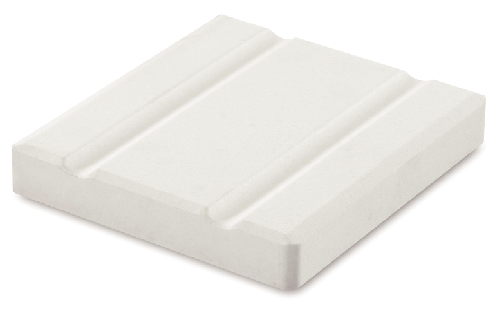
![Silicon Carbide Board [MH-KX-SiC]](https://moatcity.com/wp-content/uploads/2024/10/1728636817408.png)

![Silicon Nitride Trays [MH-SNC995- Silicon Nitride]](https://moatcity.com/wp-content/uploads/2024/10/111-1.jpg)
![Boron Nitride Saggars [MH-BNC995H - BoronNitride]](https://moatcity.com/wp-content/uploads/2024/12/氮化硼匣钵.png)

Leave a Reply