
Understanding the Role of Kiln Furniture in LTCC Sintering
In the realm of advanced ceramics manufacturing, Low Temperature Co-fired Ceramics (LTCC) technology stands out for its ability to produce multi-layered, compact electronic devices with high performance and reliability. A critical aspect of the LTCC process is the sintering stage, where the ceramic layers and embedded conductive materials are fused together at elevated temperatures. This is where kiln furniture, an often overlooked component, plays a pivotal role. This blog delves into the application scope of kiln furniture in LTCC sintering, outlining its importance, types, and considerations for use.
What is Kiln Furniture?
Kiln furniture refers to a range of refractory supports, shelves, setters, and stints used inside a kiln to hold or support ceramic or metal parts during firing. Made from materials that can withstand extreme temperatures without deformation or degradation, kiln furniture is crucial for efficient and quality sintering in ceramic production, including LTCC processes.
The Role of Kiln Furniture in LTCC Sintering
The primary function of kiln furniture in the LTCC sintering is to support the ceramic components, ensuring uniform heat distribution and maintaining the integrity of the components’ shapes and sizes during the sintering process. The right kiln furniture setup can significantly impact the efficiency of the sintering process and the quality of the final product. It affects thermal uniformity, load capacity, and the kiln’s atmosphere, directly influencing the sintering outcomes.
Types of Kiln Furniture for LTCC Sintering
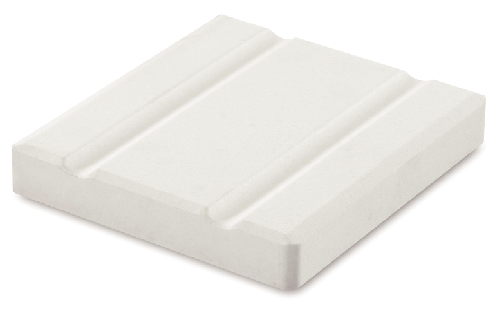
- Shelves and Plates: Provide flat, stable surfaces to place ceramic components. They are designed to minimize thermal mass and enhance heat transfer.
- Setters and Cranks: Custom-shaped supports that accommodate specific component geometries, aiding in shape retention and dimensional accuracy.
- Saggars: Enclosures used to protect delicate components from direct flame and potentially harmful kiln atmosphere changes.
- Pillars and Posts: Used to stack shelves, optimizing kiln space and ensuring even heat distribution across multiple layers of components.
Materials Used in Kiln Furniture
The choice of material for kiln furniture is crucial and depends on the sintering temperature, atmosphere, and the specific requirements of the LTCC components. Common materials include:
- Silicon Carbide (SiC): Offers excellent thermal conductivity and resistance to thermal shock, making it suitable for rapid heating and cooling cycles.
- Cordierite: Known for its low thermal expansion and cost-effectiveness, cordierite is suitable for lower temperature applications.
- Mullite: Provides a good balance between thermal shock resistance and strength at high temperatures.
- Alumina: High-purity alumina is used for very high-temperature applications, offering excellent stability and resistance to corrosive atmospheres.
Considerations for Selecting Kiln Furniture in LTCC Sintering
- Thermal Compatibility: The kiln furniture must withstand the sintering temperature without significant deformation or degradation.
- Chemical Stability: It should not react with the materials being sintered, potentially contaminating them or altering their properties.
- Load Capacity: Must be able to support the weight of the components and additional stacking without collapsing.
- Lifecycle: Durable and wear-resistant materials offer longer service life, reducing replacement costs and downtime.
Conclusion
Kiln furniture plays a critical but often underappreciated role in the LTCC sintering process. The right selection and arrangement of kiln furniture can lead to more efficient sintering processes, higher quality products, and reduced manufacturing costs. As LTCC technology continues to evolve and find new applications, the role of kiln furniture in achieving precise and reliable sintering outcomes will remain indispensable. Manufacturers and engineers must continue to explore and invest in high-quality kiln furniture solutions tailored to the specific needs of LTCC sintering to maintain the high standards expected in the electronics and advanced ceramics industries.
![Silicon Carbide Board [MH-KX-SiC]](https://moatcity.com/wp-content/uploads/2024/10/1728636817408.png)

Leave a Reply