The Thermal Stability of Topaz Slabs: Exceptional Performance in Extreme Temperatures
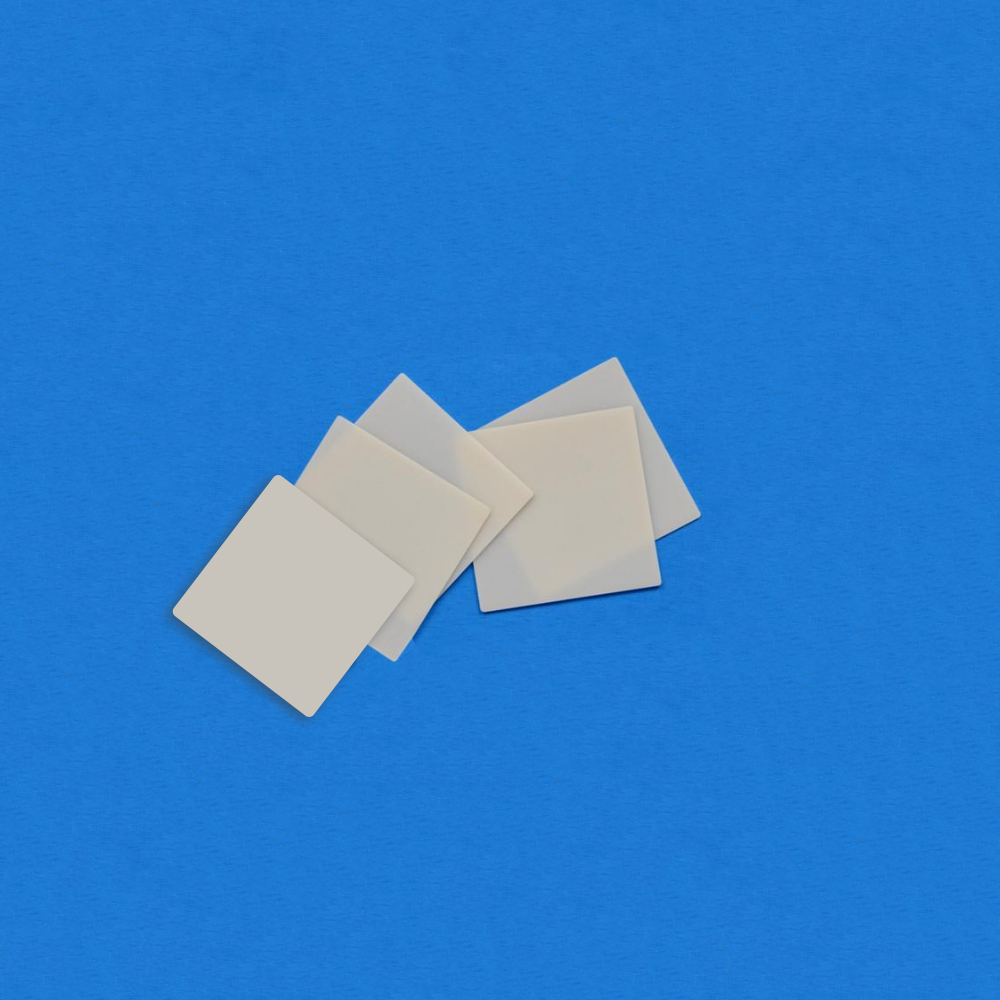
In high-temperature industrial fields, the thermal stability of refractory materials directly impacts production efficiency, equipment lifespan, and product quality. Particularly in industries like metallurgy, glass manufacturing, and aerospace, refractory materials must withstand extreme temperatures, rapid temperature changes, and high thermal shock. Topaz slabs, due to their excellent thermal stability and high melting point, have gradually become an ideal choice in many high-temperature applications.
This article will delve into the thermal stability of Topaz slabs, exploring their physical properties, performance in extreme temperature environments, and their advantages compared to other refractory materials.
-
Physical and Chemical Properties of Topaz: The Foundation of Thermal Stability
Topaz, a silicate mineral with the chemical formula Al₂SiO₄(F,OH)₂, typically exhibits a stable crystal structure and high hardness. Its superior thermal stability can be attributed to the following key physical and chemical properties:
High Melting Point: Topaz has a melting point around 1700°C, which is higher than many common refractory materials such as bauxite and mullite. This makes Topaz slabs capable of enduring extremely high temperatures without melting, deformation, or degradation.
Chemical Stability: Topaz is highly chemically stable, resisting corrosion from most acids, alkalis, and other aggressive substances. This stability is particularly crucial in high-temperature processes where chemical reactions could compromise material performance.
Low Thermal Expansion: Topaz has a low coefficient of thermal expansion, meaning it undergoes minimal expansion at high temperatures. This helps to avoid thermal stress-induced cracking or damage, which is common in other refractory materials subjected to rapid temperature changes.
High Hardness and Wear Resistance: The high hardness of Topaz slabs allows them to withstand wear and abrasion from high-temperature fluids or solid particles, making them particularly valuable in industries such as metallurgy and glass manufacturing, where abrasive conditions prevail.
-
Performance of Topaz Slabs in Extreme Temperatures
High-Temperature Performance
In extreme high-temperature environments, Topaz slabs demonstrate remarkable thermal stability. In industries like steelmaking and glass production, furnace temperatures often exceed 1500°C, even approaching 2000°C. Thanks to their high melting point, Topaz slabs can maintain their structural integrity and functionality in these environments without undergoing melting or deterioration.
For example, in the metallurgical industry, refractory materials inside the furnace must withstand the high temperatures of molten metal and furnace gases. Topaz slabs not only tolerate high temperatures but, due to their low thermal expansion, also prevent the formation of cracks that can result from rapid temperature fluctuations.
Thermal Shock Resistance
Thermal shock is another extreme challenge that refractory materials face, particularly in environments with rapid temperature changes. Topaz slabs exhibit excellent thermal shock resistance. Compared to traditional refractory materials, Topaz slabs are less likely to develop cracks or suffer damage when subjected to sudden temperature shifts. Their superior thermal stability allows them to maintain structural integrity even during rapid heating or cooling cycles.
For example, in glass manufacturing, the temperature inside furnaces can change quickly. Topaz slabs, due to their thermal stability, can effectively withstand these thermal shocks, contributing to the overall stability of the furnace.
Low-Temperature Performance
Topaz slabs not only perform well under high temperatures but also maintain their integrity in low-temperature environments. Due to their strong crystal structure and chemical stability, Topaz slabs can maintain stability during significant temperature fluctuations, without breaking or weakening under low temperatures.
- Advantages of Topaz Slabs: A Comparison with Other Refractory Materials
While there are many refractory materials on the market, Topaz slabs have distinct advantages in certain applications. Below, we compare Topaz slabs with commonly used refractory materials such as mullite and chromite to highlight their superiority in terms of thermal stability.
Topaz vs. Mullite Mullite is another commonly used refractory material, frequently employed in metallurgy and ceramics. However, compared to Topaz, mullite has a lower melting point, around 1900°C, while Topaz’s melting point can reach up to 2000°C. The higher melting point of Topaz allows it to endure more extreme temperature conditions, especially in applications where temperature fluctuations are common.
Topaz vs. Chromite Chromite, a popular refractory material in high-temperature industries, can be prone to oxidation and chemical corrosion at elevated temperatures. Topaz slabs, with their excellent chemical stability and low thermal expansion, maintain superior performance in acidic or alkaline environments, making them a better choice for complex, high-temperature conditions.
-
Future Trends: The Potential of Topaz Slabs in High-Temperature Applications
As industrial technologies continue to advance, the demand for high-performance refractory materials grows, particularly in aerospace, metallurgy, and chemical reactors. Due to their outstanding thermal stability and versatility, Topaz slabs are expected to see broader applications in these extreme-temperature fields.
For example, with the increasing demand for high-temperature materials in aerospace and aviation engines, Topaz slabs could become a key material for these industries. Their ability to perform in extreme heat environments will drive their use in the development of heat-resistant structures for spacecraft and aerospace engines.
-
Conclusion
Topaz slabs, as high-temperature refractory materials, offer exceptional thermal stability and thermal shock resistance, making them indispensable in many high-temperature industrial applications. Whether in metallurgical furnaces, glass kilns, or aerospace sectors, Topaz slabs outperform traditional refractory materials in terms of heat resistance and longevity. As demand for high-performance refractory materials continues to rise, Topaz slabs are poised to play an even more critical role in future high-temperature applications.

Leave a Reply