The Performance of Silicon Carbide Saggars in High-Temperature Processes
In the production process of lithium batteries, high-temperature processes are critical for determining the final product quality and consistency. As an indispensable part of lithium battery manufacturing, saggars endure extreme thermal stress and chemical environments during high-temperature operations. Therefore, the selection of saggar materials is crucial to the quality and efficiency of lithium battery production. Silicon carbide (SiC) saggars, with their superior high-temperature stability and durability, have become the preferred choice for an increasing number of lithium battery manufacturers. This article will explore the performance of SiC saggars in high-temperature processes and analyze how they help improve the efficiency and quality of lithium battery production.
1. The Role of High-Temperature Processes in Lithium Battery Production
Lithium battery production involves several high-temperature process steps, with the most critical being the sintering of electrode materials. Sintering typically requires extremely high temperatures to ensure the density and uniformity of the electrode materials. Additionally, some coating processes and electrolyte curing also require high-temperature treatment. During these processes, the saggar provides a stable supporting environment, ensuring that the materials do not deform or oxidize under high temperatures, thereby guaranteeing product consistency and quality.
2. High-Temperature Performance of Silicon Carbide Saggars
Silicon carbide saggars, due to their excellent material properties, can maintain stability at extremely high temperatures. With a melting point of up to 2700°C, silicon carbide is chemically stable at high temperatures and exhibits outstanding thermal stability. Compared to other materials such as mullite or alumina, SiC saggars do not exhibit significant thermal expansion or contraction at high temperatures, greatly reducing the thermal stress on lithium battery materials. This stability ensures the dimensional accuracy and consistency of the electrode materials during the sintering process.
3. Thermal Shock Resistance
During lithium battery production, the high-temperature processes involve rapid temperature changes, such as the rapid cooling of materials after sintering. This requires high thermal shock resistance in the saggar. Silicon carbide saggars have excellent thermal shock resistance, allowing them to withstand sudden temperature changes without cracking or deforming. The high thermal conductivity of SiC also allows heat to dissipate evenly, further reducing thermal shock stress. This characteristic enables SiC saggars to maintain long-term stability in high-temperature processes, extend their lifespan, and reduce replacement frequency.
4. Improving Production Efficiency and Product Quality
SiC saggars not only maintain stability during high-temperature processes but also significantly improve the efficiency and quality of lithium battery production. Their high thermal conductivity ensures more uniform heating and cooling, reducing temperature gradients during sintering, which guarantees the uniformity of the product. Furthermore, the high wear resistance and low reactivity of SiC saggars ensure that they maintain excellent performance after multiple uses, reducing production downtime and maintenance costs caused by saggar wear.
5. Case Study
In the production process of a large lithium battery manufacturing company, SiC saggars have been widely used in the sintering of electrode materials. By using SiC saggars, the overall efficiency of the production line improved by more than 15%, while the product quality pass rate increased from over 95% to over 98%. The lifespan of the saggars also doubled, significantly reducing maintenance costs and production downtime. These real-world examples fully demonstrate the superior performance of SiC saggars in high-temperature processes.
Conclusion
Silicon carbide saggars exhibit unparalleled performance advantages in the high-temperature processes of lithium battery production. Their excellent thermal stability, thermal shock resistance, and high thermal conductivity make them the ideal choice for critical processes such as high-temperature sintering. By adopting SiC saggars, lithium battery manufacturers can not only improve production efficiency and ensure product quality consistency but also effectively extend equipment lifespan and reduce production costs. In the future, as the lithium battery market continues to expand and technology advances, the application prospects of SiC saggars in high-temperature processes will become even broader.
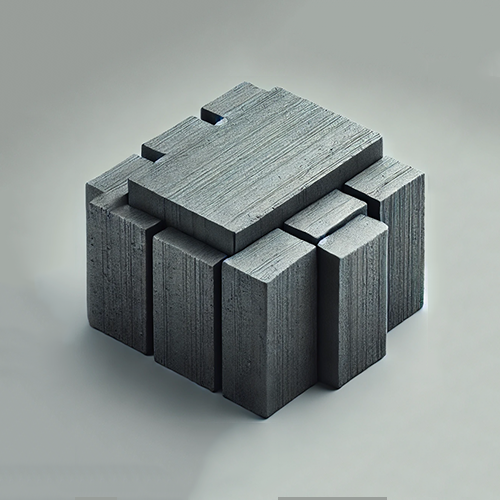
![Silicon Carbide Saggars for Lithium Batteries [MH-LNY-LH-SiC73]](https://moatcity.com/wp-content/uploads/2024/10/01111.jpg)

Leave a Reply