The Importance of Silicon Carbide Saggars' Corrosion Resistance in Lithium Battery Production
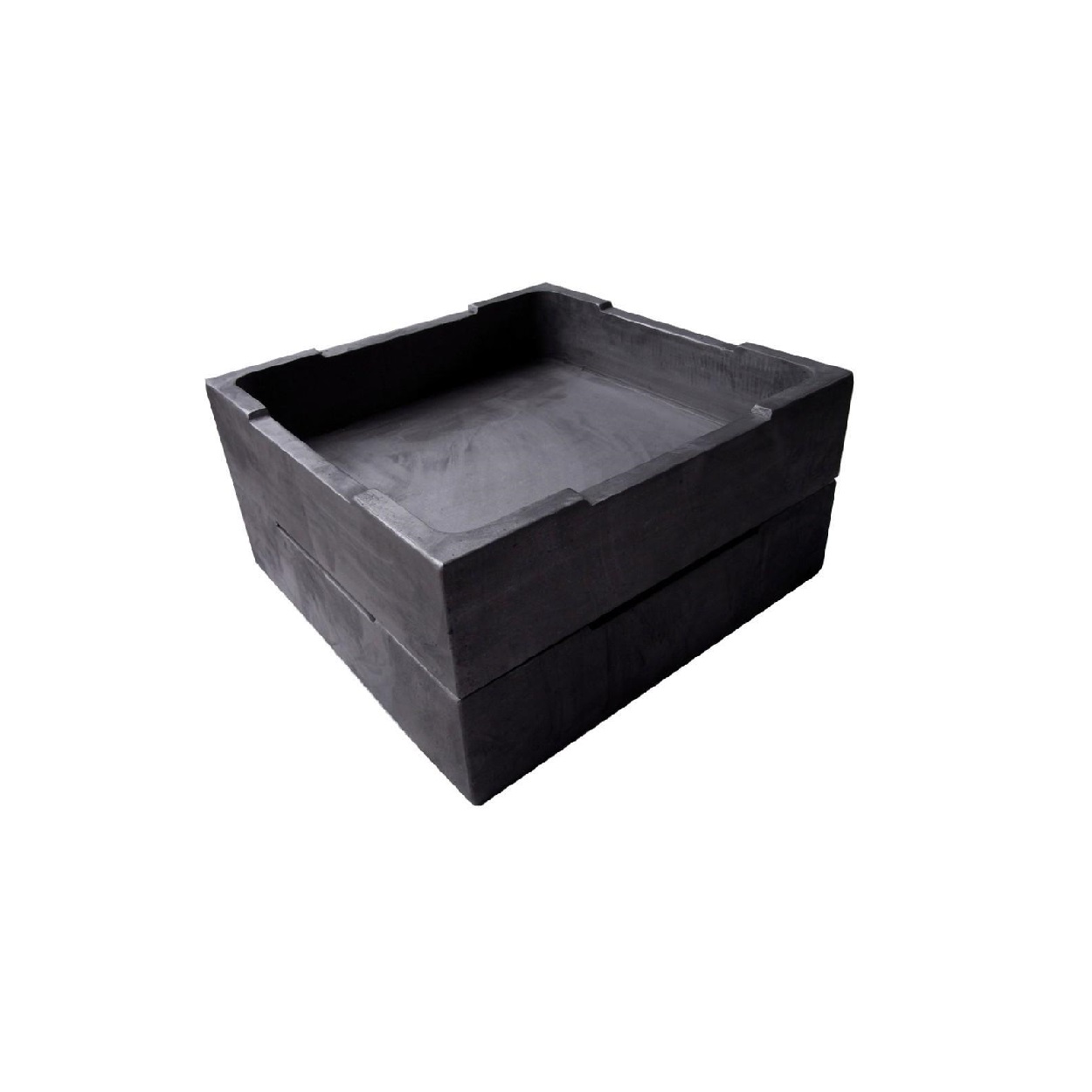
In the high-temperature, chemically complex environment of lithium battery production, the corrosion resistance of materials is crucial. If the saggers used in the production process cannot withstand corrosive substances, it will directly impact product quality, production efficiency, and even cause equipment damage, increasing production costs. Silicon carbide (SiC) saggars, with their outstanding corrosion resistance, have become one of the most reliable materials in lithium battery production.
Corrosion Challenges in Lithium Battery Production
The production of lithium batteries involves multiple chemical reactions, often conducted at high temperatures. Whether in the preparation of electrolytes or the sintering of electrode materials, highly corrosive byproducts may be produced. Common corrosive substances include fluorides, chlorides, acidic or alkaline gases, all of which can not only erode saggars but also contaminate battery materials, affecting battery performance. Therefore, in such harsh production environments, the selection of saggar materials is critical.
Chemical Stability and Corrosion Resistance of Silicon Carbide
Silicon carbide (SiC) is a highly stable compound composed of silicon and carbon. Its unique crystal structure gives SiC excellent oxidation resistance and chemical corrosion resistance. Especially in high-temperature environments, SiC can effectively resist the erosion of acidic and alkaline substances. Compared to traditional mullite or alumina saggars, SiC saggars exhibit greater stability when exposed to corrosive substances, reducing the risk of reaction with these substances and protecting battery materials from contamination.
Economic Benefits of Extended Equipment Lifespan
Corrosion not only damages production materials but also leads to frequent production line shutdowns and increased equipment maintenance costs. The corrosion resistance of SiC saggars allows them to be used for extended periods during production, reducing the frequency of material replacement and lowering the need for production line maintenance, thus extending the overall lifespan of the equipment. This durability brings significant cost savings over the long term and improves overall production efficiency.
Improving Product Quality and Consistency
The corrosion resistance of SiC saggars not only extends their lifespan but also directly impacts the quality of lithium battery products. In a high-temperature corrosive environment, SiC saggars can maintain material purity, preventing contamination of the battery materials, which is crucial for ensuring the electrochemical performance and consistency of the batteries. Particularly in large-scale production, product consistency is a key factor in maintaining market competitiveness. Through their excellent corrosion resistance, SiC saggars ensure high quality across all batches, reducing defect rates and rework costs.
Case Study: Successful Application Example
At a well-known lithium battery manufacturing company, the application of silicon carbide (SiC) saggars achieved remarkable results. The company had been facing severe equipment corrosion issues, leading to frequent production line shutdowns and unstable product quality. After introducing SiC saggars, the downtime decreased by 40%, and the defect rate dropped by 30%. This change not only improved production efficiency but also significantly reduced production costs, bringing substantial economic benefits to the company.
Facing Future Challenges: Demand for New Materials in Corrosive Environments
As lithium battery technology progresses and new materials are introduced, the production process may encounter more complex corrosive environments. Although SiC saggars have demonstrated strong adaptability due to their excellent corrosion resistance, future lithium battery production may require even more advanced materials to meet stricter chemical environment requirements. Therefore, ongoing research and optimization of SiC saggars will continue to ensure they meet evolving production demands and maintain a competitive edge in the future market.
Conclusion
The corrosion resistance of silicon carbide saggars plays a crucial role in lithium battery production. Not only do they effectively extend equipment lifespan and reduce production costs, but they also improve product quality and consistency. In the future, as production technologies continue to advance, the application of SiC saggars will become more widespread, providing strong support for the development of the lithium battery industry. Through continuous research and innovation, SiC saggars will play an even greater role in combating complex corrosive environments, helping lithium battery manufacturers maintain a competitive advantage in the global market.
![Silicon Carbide Saggars for Lithium Batteries [MH-LNY-LH-SiC73]](https://moatcity.com/wp-content/uploads/2024/10/01111.jpg)

Leave a Reply