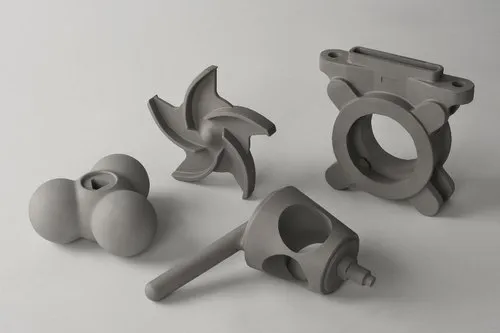
The Impact of Sintering Processes on the Properties of Zirconia Ceramics
1. Introduction to The Impact of Sintering Processes on Zirconia Ceramics:
Zirconia ceramics have gained significant attention in various industries, including dentistry and manufacturing, due to their exceptional properties such as high strength, hardness, and resistance to wear and tear. This blog post delves into the impact of different sintering processes on the properties of zirconia ceramics.
2. The Importance of Sintering in Zirconia Ceramics:
Sintering plays a pivotal role in determining the mechanical and thermal properties of zirconia ceramics. It is a process that involves the application of heat below the melting point to increase the strength of the material.
a. Traditional Sintering:
- Heat Transfer: Traditional sintering relies on heat radiation, conduction, and convection to transfer heat from the surface to the interior of the zirconia.
- Cost and Time: This method is time-consuming and costly due to slow heating rates to prevent thermal stress-induced cracking.
b. Microwave Sintering:
- Efficiency: Microwave sintering is more efficient, with lower sintering temperatures and shorter times.
- Material Properties: Research shows that microwave sintering doesn’t significantly affect the transparency and wear resistance of zirconia ceramics.
3. Factors Influenced by Sintering:
a. Density and Mechanical Properties:
- Density: The sintering process affects the density of zirconia ceramics, which in turn influences its mechanical properties.
- Strength and Toughness: Microwave sintering has been found to improve the strength and toughness of zirconia ceramics by maintaining a more stable tetragonal phase.
b. Microstructure:
- Grain Size: The rate of heating during sintering affects the grain size, which impacts the material’s translucency.
- Phase Composition: The sintering process can also affect the phase composition of zirconia ceramics, influencing its mechanical properties.
c. Sintering Atmosphere:
- Vacuum Conditions: Sintering in a vacuum environment helps in eliminating bubbles, thus improving the density and mechanical properties of zirconia ceramics.
4. Conclusion:
Understanding the impact of sintering processes on zirconia ceramics is crucial for optimizing their properties for specific applications. Both traditional and microwave sintering have their pros and cons, and choosing the right method can significantly affect the material’s performance.
5. Contact Details:
For more information on zirconia ceramics and how Moat City can assist with your specific needs, please contact us.
Email: rongqi.chen@moatcity.com
Web: www.moatcity.com
WhatsApp: +447983626714
We’re eager to assist with your zirconia ceramics needs.
Comments (0)
Related Products
 Zirconia Ceramic Fibers
 Zirconia Ceramic Fibre Boards and Various Custom-shaped Products
 Zirconia Coating Tiles and Saggers For Electronic Magnetic Material Sintering
 Zirconia Support Trays
 V-shaped Ceramic Kiln Furniture For Zirconia Ceramic Core and Sleeve Sintering
 Super-Fine Yttrium Stabilized Zirconia
 Cordierite Mullite Saggers for Positive Electrode Material Sintering
 Corundum Mullite Saggers for Calcination Of 5n Alumina, Indium Oxide Ceramic Powder

Leave a Reply