
The Dance of High Temperatures: The Contest Between Andalusite Refractory Plates and Corundum-Mullite
In the realm of high-temperature industries, andalusite refractory plates and corundum-mullite are two highly esteemed refractory materials. They play crucial roles in ceramics, glass, metallurgy, and other high-temperature sectors, each with its unique properties and application scenarios. This article delves into the main differences between these two materials to help you make informed decisions when choosing refractory materials.
The Unique Charm of Andalusite Refractory Plates
High-Temperature Stability
Andalusite refractory plates are renowned for their excellent high-temperature stability, capable of operating for long periods at temperatures above 1400°C. This makes them particularly favored in applications requiring prolonged high-temperature operations, such as ceramic and glass kilns.
Thermal Shock Resistance
Andalusite refractory plates exhibit outstanding thermal shock resistance, maintaining integrity without cracking under drastic temperature changes. This characteristic makes them perform exceptionally well in environments with frequent temperature fluctuations, such as during the firing process in ceramics.
Mechanical Strength
Even at high temperatures, andalusite refractory plates retain high mechanical strength, making them suitable for industrial applications requiring heavy load-bearing. This makes them effective in heavy industrial production, such as in the high-temperature furnaces of the metallurgy industry.
Applications
- Ceramics Industry: Andalusite refractory plates are commonly used in kiln shelves, capable of withstanding the rigorous conditions of high-temperature firing processes, ensuring the quality of ceramic products and the stable operation of kilns.
- Glass Manufacturing: Used as support plates in glass kilns, they provide a stable high-temperature environment, ensuring uniform melting and forming of glass products.
- Metallurgy Industry: Frequently used as linings and support components in high-temperature furnaces, ensuring stability and safety within the furnace and extending equipment lifespan.
The Outstanding Performance of Corundum-Mullite
Thermal Shock Stability
Corundum-mullite boasts extremely high thermal shock stability, resisting cracking during rapid heating and cooling processes. This makes it excel in production processes requiring rapid heating and cooling, such as high-temperature insulation materials in the power industry.
Low Thermal Expansion Coefficient
Corundum-mullite’s low thermal expansion coefficient ensures minimal deformation at high temperatures, maintaining structural stability. This characteristic makes it perform excellently in industrial applications requiring high precision, such as kiln furniture in ceramics production.
Chemical Corrosion Resistance
Alumina-mullite composites exhibit excellent resistance to acids, bases, and other chemicals, allowing them to be used in harsh chemical environments for extended periods. They perform exceptionally well in high-temperature reactors in the chemical industry, significantly extending the service life of equipment.
Applications
- Ceramic Production: Commonly used as kiln furniture materials, alumina-mullite composites can withstand high temperatures without deformation, ensuring the quality of ceramic products and the longevity of production equipment.
- Chemical Industry: Used as the lining material for high-temperature reactors, alumina-mullite composites offer excellent chemical corrosion resistance, enhancing the lifespan of the equipment.
- Power Industry: Used as high-temperature insulation materials, they ensure the safe operation of power equipment in high-temperature environments and effectively prevent heat damage to electrical equipment.
Comparison between Andalusite Refractory Boards and Alumina-Mullite Refractory Boards
- High-Temperature Stability: Andalusite refractory boards offer slightly better stability in high-temperature environments than alumina-mullite. They are well-suited for extremely high-temperature applications, such as in glass manufacturing and ceramic firing.
- Thermal Shock Resistance: Alumina-mullite composites possess excellent thermal shock resistance, making them ideal for environments with significant temperature fluctuations, such as high-temperature insulation materials in the power industry.
- Mechanical Strength: Andalusite refractory boards maintain a higher mechanical strength even at high temperatures, making them suitable for use in heavy load-bearing applications like furnace supports in metallurgy.
- Thermal Expansion Coefficient: Alumina-mullite’s low thermal expansion coefficient ensures minimal deformation at high temperatures, making it ideal for high-precision applications like kiln furniture in ceramic production.
- Chemical Corrosion Resistance: Both materials offer good chemical corrosion resistance. However, alumina-mullite tends to perform better in specific chemical environments, making it ideal for high-temperature reactors in the chemical industry.
Conclusion
Both Andalusite refractory boards and alumina-mullite refractory boards have distinct advantages and application areas. Choosing the right material based on specific application needs and working environments is crucial to ensure optimal performance and lifespan. On the industrial stage, both materials play vital roles in ensuring the smooth operation and development of various industries. Whether high-temperature stability or excellent thermal shock resistance is needed, these materials provide outstanding solutions.
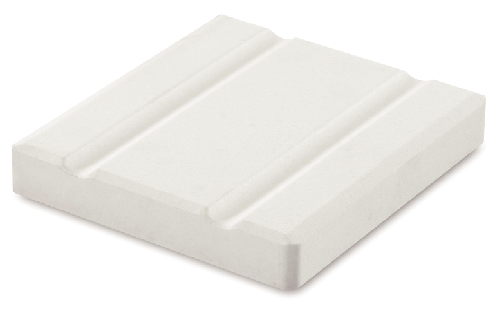
![Andalusite Pusher Tray [MM-LY-HZ75]](https://moatcity.com/wp-content/uploads/2024/10/222-2.jpg)

Leave a Reply