
The Crucial Role of Sintering in Aerospace Component Manufacturing: A Tribute to Ceramic Furnace Setters
In the realm of aerospace engineering, precision, durability, and reliability are paramount. From the engines propelling planes forward to the sensors guiding their navigation, every component must meet exacting standards to ensure safe and efficient operation. One critical process that underpins the production of aerospace components is sintering. Let’s delve into the world of aerospace components sintering and explore its significance in crafting engine parts and sensors, while acknowledging the indispensable role of ceramic furnace setters.
Understanding Sintering
Sintering is a manufacturing process that involves compacting and forming a material into a desired shape and then heating it below its melting point. Through this controlled heating process, particles within the material bond together, creating a solid mass with enhanced strength and integrity. This method is particularly crucial in aerospace engineering, where components must withstand extreme conditions of temperature, pressure, and stress.
Engine Parts: Powering Aerospace Innovation
Within the aerospace industry, engines represent the beating heart of every aircraft. These marvels of engineering must deliver exceptional performance, efficiency, and reliability under the most demanding circumstances. Sintering plays a pivotal role in the creation of various engine components, including turbine blades, combustion chambers, and bearings.
Turbine Blades: Sintering enables the fabrication of turbine blades with intricate geometries and high-temperature resistance. By carefully controlling the sintering process, engineers can create blades that maintain their structural integrity even under the intense heat and centrifugal forces encountered within jet engines.
Combustion Chambers: The combustion chambers of jet engines endure extreme temperatures and pressure fluctuations during operation. Sintering techniques allow manufacturers to produce chamber components that can withstand these harsh conditions while promoting efficient fuel combustion and minimizing emissions.
Bearings and Shafts: Sintering facilitates the production of high-strength bearings and shafts that are essential for smooth engine operation. These components must exhibit exceptional wear resistance and dimensional stability to ensure optimal performance and longevity.
Sensors: Navigating the Skies with Precision
In addition to engine components, sensors play a critical role in aerospace applications, providing essential data for navigation, monitoring, and control systems. Sintering techniques are instrumental in crafting sensor components with the precision and reliability required for aerospace environments.
Pressure Sensors: Pressure sensors are vital for monitoring air pressure within aircraft systems and pneumatic controls. Sintering allows for the fabrication of sensor diaphragms and housings that can withstand high-pressure environments without compromising accuracy or durability.
Temperature Sensors: Accurate temperature measurement is essential for preventing overheating and ensuring optimal engine performance. Sintering enables the creation of temperature-sensitive materials and sensor elements that exhibit precise thermal response characteristics.
Accelerometers and Gyroscopes: Aerospace navigation systems rely on accelerometers and gyroscopes to detect changes in velocity and orientation. Sintering processes enable the production of compact and lightweight sensor components that deliver reliable performance in dynamic flight conditions.
The Role of Ceramic Furnace Setters
Behind every successful sintering process lies the expertise and dedication of ceramic furnace setters. These skilled professionals are responsible for configuring and operating the specialized furnaces used to heat and treat aerospace components during sintering.
Precision Calibration: Ceramic furnace setters meticulously calibrate furnace temperatures and heating cycles to ensure optimal sintering conditions for each specific material and component. Their attention to detail and technical proficiency are essential for achieving uniform heating and consistent material properties.
Quality Assurance: Ceramic furnace setters play a crucial role in maintaining the quality and integrity of aerospace components throughout the sintering process. By closely monitoring temperature profiles and furnace performance, they help identify and mitigate potential defects or deviations that could compromise component functionality and safety.
Process Optimization: Continuously seeking ways to improve efficiency and effectiveness, ceramic furnace setters collaborate with engineers and researchers to develop and implement innovative sintering techniques and technologies. Their insights and hands-on experience drive advancements in aerospace manufacturing and contribute to the evolution of sintering practices.
Advancements and Innovations
As aerospace technology continues to evolve, so too do the techniques and materials used in component manufacturing. Recent advancements in sintering technology, such as additive manufacturing and advanced powder metallurgy techniques, have opened up new possibilities for designing and fabricating complex aerospace components with unprecedented precision and efficiency.
Furthermore, ongoing research into novel materials, such as high-temperature alloys and advanced ceramics, promises to push the boundaries of aerospace component performance even further. By harnessing the power of sintering and embracing innovation, aerospace engineers and ceramic furnace setters are paving the way for the next generation of safer, more efficient, and more sustainable aircraft.
Conclusion
In the world of aerospace engineering, precision and reliability are non-negotiable. Sintering stands as a cornerstone process in the manufacturing of critical engine components and sensors, enabling the creation of high-performance aerospace systems that can withstand the rigors of flight. Behind the scenes, ceramic furnace setters play an indispensable role in ensuring the success of the sintering process, bringing expertise, dedication, and innovation to every stage of aerospace component manufacturing. As technology advances and new challenges emerge, the collaboration between engineers and furnace setters will continue to drive progress and shape the future of aerospace innovation.
![Aluminium Nitride Substrate [MH-ZT-Aluminium Nitride]](https://moatcity.com/wp-content/uploads/2024/10/11.jpg)
![Boron Nitride Saggars [MH-BNC995H - BoronNitride]](https://moatcity.com/wp-content/uploads/2024/12/氮化硼匣钵.png)
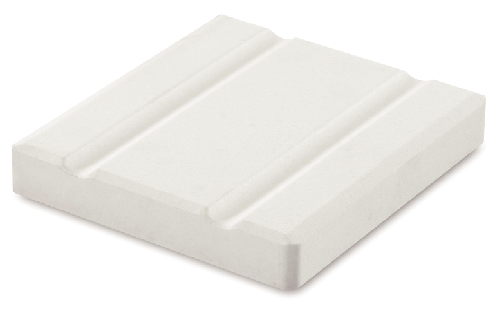
![Silicon Carbide Board [MH-KX-SiC]](https://moatcity.com/wp-content/uploads/2024/10/1728636817408.png)

Leave a Reply