The Crucial Role of Material Choice in Kiln Furniture for LTCC Sintering
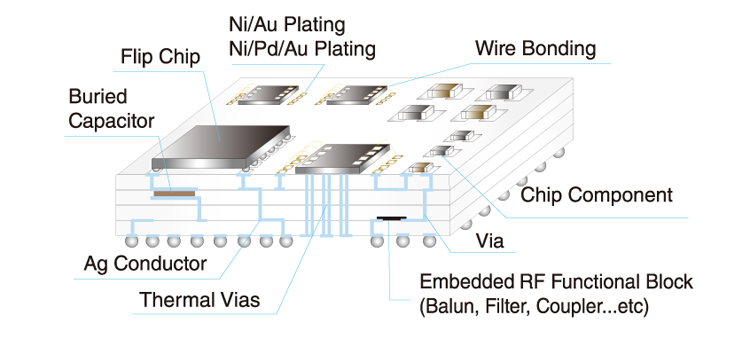
Low Temperature Co-fired Ceramics (LTCC) technology has become a cornerstone in the manufacture of compact, high-performance electronic devices. As the demand for these devices grows, so does the importance of optimizing every step of the LTCC manufacturing process, particularly sintering. Sintering is a process that involves firing ceramic materials at high temperatures to produce a solid structure. The selection of kiln furniture material is critical in this stage, as it directly impacts product quality, efficiency, and overall manufacturing outcomes. This blog explores the specific applications of various materials used in kiln furniture for LTCC sintering, highlighting their unique properties and contributions to the process.
Silicon Carbide (SiC) in LTCC Sintering
Kiln Furniture for LTCC Sintering
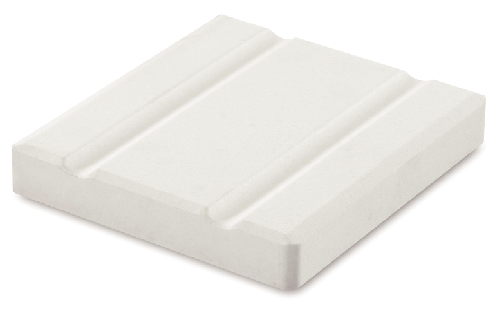
Silicon Carbide stands out for its exceptional thermal conductivity and resistance to thermal shock. These properties make SiC kiln furniture especially suitable for LTCC sintering processes that involve rapid heating and cooling cycles. SiC’s robustness ensures that it maintains structural integrity and dimensional stability under extreme temperatures, preventing deformation or damage to the ceramic components being sintered. Its application is particularly beneficial in high-volume production environments where speed and durability are paramount.
Cordierite’s Role in LTCC Sintering
Cordierite kiln furniture is valued for its low thermal expansion and cost-effectiveness. In LTCC sintering, where uniform heat distribution and minimal thermal stress are crucial, cordierite provides a stable support structure that reduces the risk of warping or cracking in ceramic components. This material is particularly suited for processes operating at lower sintering temperatures, offering a balance between performance and affordability. Its thermal stability also minimizes energy consumption, further enhancing the efficiency of the LTCC manufacturing process.
Mullite’s Application in LTCC Sintering
Kiln Furniture for LTCC Sintering
Mullite is another material commonly used in kiln furniture, prized for its balance between thermal shock resistance and high-temperature strength. In LTCC sintering, mullite’s properties ensure that it can support and protect delicate ceramic components throughout the firing process. Its ability to withstand prolonged exposure to high temperatures without degradation makes it an ideal choice for sintering cycles that require consistent heat application. Mullite’s durability also contributes to longer kiln furniture lifecycles, reducing the need for frequent replacements and thereby lowering operational costs.
Kiln Furniture for LTCC Sintering
High-Purity Alumina for High-Temperature LTCC Sintering
High-purity alumina kiln furniture is utilized in LTCC sintering applications that demand very high temperatures. Alumina’s exceptional stability and resistance to corrosive atmospheres make it an excellent choice for sintering advanced ceramic materials. Its high melting point ensures that it does not react with or contaminate the ceramic components, maintaining the purity and integrity of the final products. Although alumina kiln furniture may come with a higher initial cost, its longevity and performance in demanding conditions offer a valuable return on investment for high-specification LTCC applications.
Conclusion
The choice of material for kiln furniture in LTCC sintering is not one-size-fits-all. Each material—Silicon Carbide, Cordierite, Mullite, and High-Purity Alumina—brings unique properties that cater to specific requirements of the LTCC sintering process, including thermal stability, resistance to thermal shock, and chemical inertness. Understanding these materials’ characteristics allows manufacturers to optimize their sintering operations, balancing cost, efficiency, and product quality. As LTCC technology continues to advance and find new applications, the strategic selection of kiln furniture materials will remain a key factor in achieving superior sintering outcomes and pushing the boundaries of electronic device manufacturing.
![Silicon Carbide Board [MH-KX-SiC]](https://moatcity.com/wp-content/uploads/2024/10/1728636817408.png)

Leave a Reply