The Application of Recrystallized Silicon Carbide (R-SiC) in the Semiconductor Industry
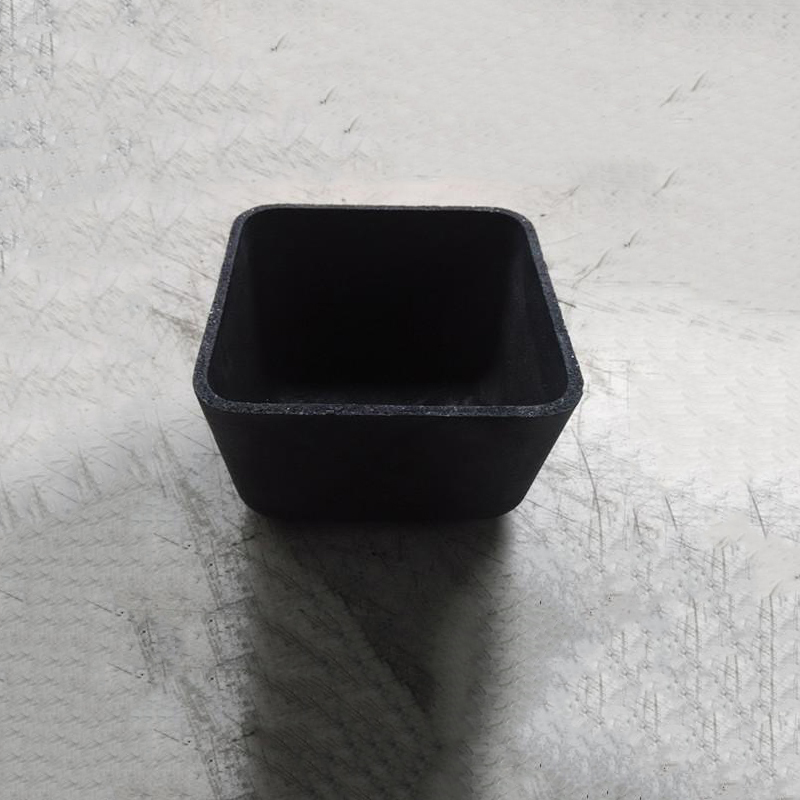
In modern semiconductor manufacturing, the choice of materials directly impacts the performance and lifespan of equipment. Recrystallized silicon carbide (R-SiC) has outstanding thermal properties, mechanical strength, and chemical stability, making it an increasingly indispensable material in semiconductor manufacturing processes. In this blog, we will explore the specific applications of R-SiC in the semiconductor industry and how it enhances equipment efficiency and durability.
Key Characteristics of Recrystallized Silicon Carbide
High-Temperature Stability
R-SiC has excellent heat resistance and remains stable at temperatures above 1600°C. In semiconductor manufacturing, especially in high-temperature processes such as diffusion, annealing, and oxidation, R-SiC has significant advantages. It can withstand extreme temperatures without deforming or degrading, while maintaining its physical and chemical properties over time.
Mechanical Strength and Wear Resistance
Semiconductor equipment often experiences significant friction and mechanical stress. R-SiC has high hardness and excellent wear resistance, significantly extending the lifespan of critical components, thus reducing equipment maintenance frequency and replacement costs. Compared to traditional materials like quartz or ceramics, R-SiC exhibits better durability and reliability during long-term use.
Chemical Resistance
Semiconductor processes involve various corrosive gases and chemicals. R-SiC shows strong resistance to these substances, particularly in highly acidic and alkaline environments. This makes R-SiC an ideal choice for processes such as wet etching and chemical vapor deposition (CVD).
Specific Applications of R-SiC in Semiconductor Manufacturing
CVD Reaction Chambers
In semiconductor manufacturing, chemical vapor deposition is a key process for depositing thin films onto wafers. R-SiC, with its excellent high-temperature and corrosion resistance, is commonly used in CVD reaction chambers. Traditional materials such as quartz degrade in high-temperature and corrosive gas environments, whereas R-SiC remains stable for longer periods, thus extending equipment lifespan.
Substrates and Wafer Carriers in Thermal Processing Equipment
In semiconductor production, thermal processes such as diffusion, oxidation, and annealing require high-temperature furnaces. R-SiC has a low thermal expansion coefficient, which reduces thermal stress generated by repeated heating and cooling cycles. As a substrate and wafer carrier material, R-SiC not only withstands high temperatures but also prevents wafer contamination.
Wet Etching Equipment
Wet etching involves the removal of materials through chemical reactions. R-SiC’s chemical inertness gives it exceptional corrosion resistance when exposed to strong acids, alkalis, and other corrosive chemicals. Compared to traditional materials like silicon and glass, R-SiC has a longer lifespan, resulting in lower maintenance costs for etching equipment.
Advantages of Recrystallized Silicon Carbide Over Other Materials
Compared to Quartz
Quartz has traditionally been widely used in semiconductor manufacturing equipment, especially in high-temperature and chemically reactive environments. However, quartz tends to fracture at high temperatures and has poor stability in corrosive environments. In contrast, R-SiC can withstand higher temperatures and demonstrates superior chemical stability, significantly reducing the frequency of equipment maintenance.
Compared to Ceramic Materials
Ceramic materials offer some heat resistance and mechanical strength, but they are brittle and prone to cracking under frequent thermal cycles or mechanical impacts. R-SiC has higher impact resistance and superior mechanical properties, making it more suitable for the complex processing conditions in semiconductor manufacturing.
Case Study: Successful Application in Semiconductor Companies
A well-known semiconductor manufacturing company replaced traditional quartz reaction chambers with R-SiC in their CVD equipment, significantly improving equipment lifespan. The company reported that, due to the stability of R-SiC materials, the maintenance cycle of their equipment was extended from three months to twelve months, resulting in a 40% reduction in overall equipment costs. Additionally, the enhanced corrosion resistance of the R-SiC reaction chamber improved the stability of the chemical vapor deposition process, reducing impurities during the deposition process and increasing product yield.
Future Trends and Outlook
With the increasing demand for high-performance materials in the semiconductor industry, R-SiC has a promising future. As manufacturing technology continues to improve, the production cost of R-SiC is expected to decrease, making it more widely adopted in semiconductor applications. Furthermore, the exceptional performance of R-SiC in extreme environments may drive its use in emerging fields such as electric vehicles and high-power electronic devices.
Conclusion
Recrystallized silicon carbide, with its unique high-temperature stability, mechanical strength, and chemical resistance, has become an essential material in the semiconductor industry. As technology advances and market demand grows, R-SiC will continue to enhance the performance of semiconductor equipment, providing more efficient and reliable solutions for the industry. If you are looking for a high-performance material to optimize your semiconductor manufacturing equipment, R-SiC is undoubtedly a choice worth considering.
![Recrystallized Silicon Carbide Plate [MH-XG-R.SiC99]](https://moatcity.com/wp-content/uploads/2024/10/222-1.jpg)

Leave a Reply