Silicon Carbide vs. Alumina Saggers: Which Is Better for Your Process?
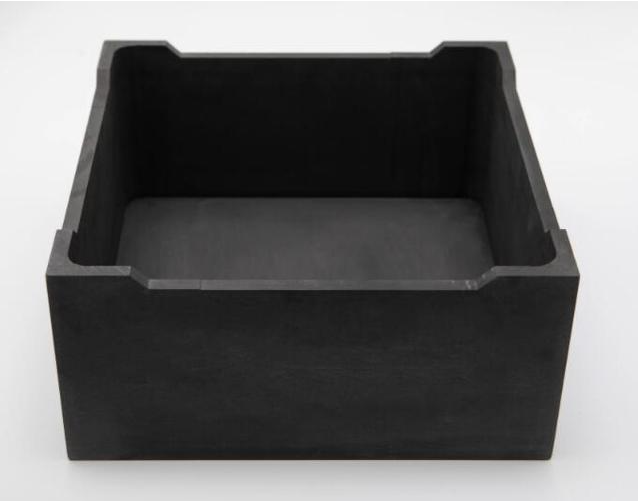
When selecting saggers for high-temperature applications—especially in ceramics, powder metallurgy, and lithium battery cathode sintering—the two most commonly compared materials are Silicon Carbide (SiC) and Alumina (Al₂O₃).
Each has its strengths, limitations, and ideal use cases. Choosing the right one can impact not only product quality but also operational cost, production efficiency, and maintenance frequency.
In this post, we’ll break down the key differences between SiC vs. Alumina saggers, helping you determine which is best suited to your specific thermal process.
-
Material Overview
Silicon Carbide (SiC) Saggers
Available in various forms: SSiC, RB-SiC, NB-SiC
Known for high thermal conductivity, excellent thermal shock resistance, and chemical inertness
Ideal for high-speed, high-temperature, and high-purity applications
Alumina (Al₂O₃) Saggers
Traditional refractory material with good insulation and stable mechanical strength
Widely used in ceramics, metallurgical sintering, and lab-scale calcination
Generally more cost-effective up front
-
Comparison Table: SiC vs. Alumina Saggers
| Property | Silicon Carbide (SiC) | Alumina (Al₂O₃) |
| Max Working Temp (°C) | 1600–1700 | 1500–1600 |
| Thermal Conductivity | High | Low |
| Thermal Shock Resistance | Excellent | Moderate to Poor |
| Density | 2.8–3.1 g/cm³ | 3.5–3.9 g/cm³ |
| Mechanical Strength @ High T | Excellent | Good |
| Chemical Resistance | Very High (esp. in SSiC) | Moderate |
| Lifespan (in harsh cycles) | 2x–5x longer than alumina | Shorter lifespan |
| Contamination Risk | Very low (SSiC) | Moderate (may release Na, Fe) |
| Cost | Higher initial cost | Lower initial cost |
| Reusability | Excellent | Moderate |
-
Thermal Performance: Speed vs. Insulation
SiC saggers have much higher thermal conductivity, which:
Enables faster heating and cooling cycles
Reduces energy use per cycle
Promotes uniform temperature distribution, which is critical for sensitive materials like LFP or NCM cathode powders
In contrast, alumina saggers act as thermal insulators:
Slower heating/cooling helps protect some delicate materials
But may lead to longer cycle times and temperature gradients
Verdict: SiC wins for rapid, uniform firing processes. Alumina may suit slow, controlled sintering.
-
Durability & Thermal Shock Resistance
SiC saggers (especially SSiC and RB-SiC) are much more resistant to:
Cracking from rapid temperature shifts
Mechanical stress from loading/unloading
Deformation at high temperature
Alumina saggers, while strong at room temperature, are more prone to:
Spalling
Cracking
Creep deformation during long cycles above 1400°C
Verdict: SiC provides significantly longer lifespan in fast, repeated cycles.
-
Chemical Stability & Contamination Risk
SiC, especially high-purity SSiC, is chemically stable and does not introduce impurities into the material being processed. This is critical in:
Lithium battery material sintering (e.g., avoiding Fe, Na, or other contaminants)
Advanced ceramics for electronics
Alumina can slowly release alkaline elements (Na, K) or iron trace contaminants, especially under high temperature or corrosive atmospheres. This can affect:
Cathode powder purity
Color and phase integrity in ceramics
Verdict: SiC is far superior for high-purity environments.
-
Cost Consideration: Initial Price vs. Lifecycle Value
At first glance, alumina saggers are more affordable—often 40–60% cheaper than SiC options. However:
SiC saggers can last 2 to 5 times longer, especially in demanding conditions.
Longer life means lower replacement frequency, less downtime, and fewer defects from sagger failure.
SiC enables faster cycles, increasing throughput.
For high-volume or high-value processes, SiC saggers are more cost-effective over time.
Verdict: Alumina is suitable for low-volume or budget-sensitive applications. SiC offers better ROI in industrial settings.
-
Application Recommendations
| Application | Recommended Sagger Type |
| Lithium Battery Cathode (LFP, NCM) | SSiC or RB-SiC |
| Advanced Technical Ceramics | SSiC |
| General Ceramic Kilns (low budget) | Alumina |
| Powder Metallurgy (low oxygen, inert) | RB-SiC or Alumina |
| Lab-scale or R&D Sintering | Alumina |
| High-Speed Firing (push-plate kilns) | SiC |
Conclusion
There’s no one-size-fits-all answer in the SiC vs. Alumina sagger debate. The right choice depends on your application, process intensity, and sensitivity to contamination or thermal stress.
In general:
Choose Silicon Carbide for high-performance, long-life, or high-purity production.
Choose Alumina for cost-conscious, less-demanding thermal processes or small-batch runs.
A smart purchasing decision considers not just material cost—but lifecycle performance, downtime avoidance, and product quality.

Leave a Reply