
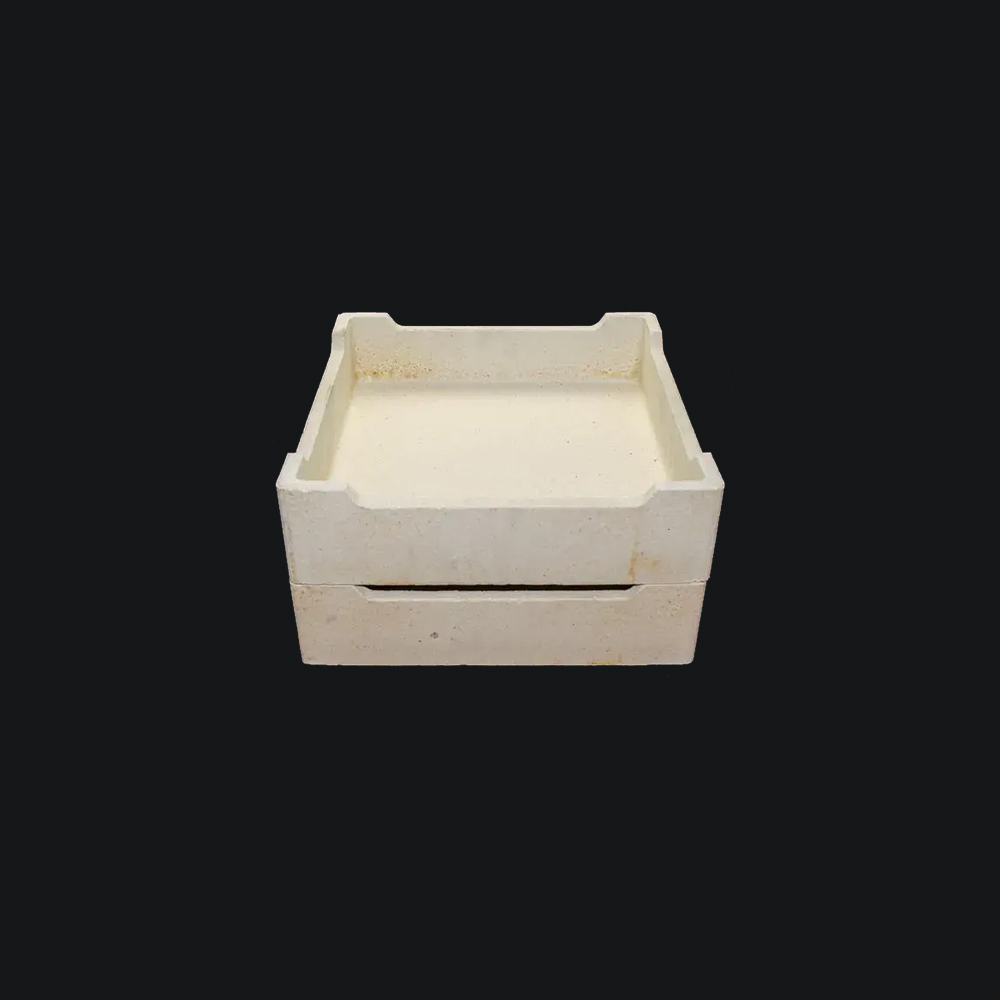
Recrystallized Silicon Carbide: A Key Material Leading the Renewable Energy Revolution
As the global demand for sustainable energy continues to grow, the renewable energy sector is rapidly emerging. From electric vehicles to solar and wind energy storage systems, as well as smart grids, the efficient use and storage of energy have become critical issues in technological development. At the same time, materials science is playing an increasingly important role in this process. Among many high-performance materials, recrystallized silicon carbide (SiC) is gradually becoming a core material in the renewable energy sector, particularly in applications such as power electronics, energy storage, and electric vehicles, showing tremendous potential.
The Unique Advantages of Recrystallized Silicon Carbide: Breaking the Limitations of Traditional Materials
-
Excellent High-Temperature and High-Pressure Performance
Recrystallized silicon carbide is a crystalline form of silicon carbide, which possesses higher thermal conductivity, temperature stability, and superior resistance to high-pressure environments compared to traditional silicon materials. The critical temperature of SiC is typically above 3000°C, far surpassing the 150°C threshold of conventional silicon semiconductors. This makes recrystallized SiC especially suitable for applications in extreme environments. For example, in power electronics systems, devices often need to operate under high temperatures and high pressures, and SiC can maintain stability under these harsh conditions while effectively improving the system’s overall efficiency.
-
Superior Electrical Conductivity and Radiation Resistance
Compared to silicon (Si) materials, recrystallized silicon carbide not only has a higher breakdown electric field strength but can also operate under higher voltages. Its electrical conductivity and radiation resistance make it highly advantageous in high-power, high-frequency applications. Especially in electric vehicles (EVs) and renewable energy power conversion equipment, SiC provides higher efficiency and reduced energy loss.
The Potential of Recrystallized Silicon Carbide in the Renewable Energy Sector
-
Core Material in Electric Vehicle (EV) Drive Systems
The widespread adoption of electric vehicles is driving the demand for high-performance power electronic devices, and recrystallized silicon carbide is the material of choice for this need. In EV drive systems, the inverter is a key component that converts the DC power from the battery to AC to drive the electric motor. The power semiconductor materials in inverters need to have high conductivity, low thermal loss, and high-temperature tolerance, making SiC an ideal material.
- Higher Efficiency: SiC’s ability to maintain low resistance at high temperatures reduces power loss, enhancing the overall efficiency of electric vehicles.
- Extended Driving Range: The use of SiC in the EV drive system not only boosts efficiency but also reduces the load on the battery, ultimately extending the driving range.
For example, renowned automakers like Tesla and BMW have already integrated SiC semiconductor technology into their high-end models to improve EV performance.
-
High-Efficiency Conversion and Energy Storage Systems in Solar and Wind Energy
In the renewable energy sector, solar and wind energy applications are growing rapidly. However, these sources of energy are intermittent and unstable, creating a technological bottleneck in efficient energy storage and conversion. Recrystallized silicon carbide plays a vital role in this sector, particularly in photovoltaic (PV) inverters and energy storage systems.
- PV Inverters: The efficiency of SiC materials enables solar inverters to convert solar energy to electrical energy more effectively. While traditional silicon materials are prone to overheating at high power outputs, SiC’s high-temperature stability allows inverters to operate at higher power levels with reduced heat loss, thereby increasing system efficiency.
- Energy Storage Systems: In wind and solar energy storage systems, SiC can be used in the power converters within battery management systems (BMS), improving charging and discharging efficiency and extending the lifespan of storage devices.
Through these applications, SiC is helping to promote the widespread adoption of solar and wind energy and significantly improve energy utilization efficiency, contributing to a greener and more sustainable energy system.
-
Efficient Management of Power Grids and Smart Grids
The stability and efficiency of power systems are crucial to ensuring energy security, and the smart grid represents the future of electrical grid development. Recrystallized silicon carbide, as a highly efficient power switch element, shows enormous potential in various aspects of smart grid applications.
- High-Efficiency Power Switches: SiC improves power transmission efficiency in the grid, especially in grid regulation and load distribution, playing a key role.
- Reduced Energy Loss: SiC materials can withstand higher voltages and carry larger currents, reducing energy loss during power transmission and enhancing the overall effectiveness of the grid.
As smart grid technology continues to develop in the future, SiC’s advantages will become even more evident, particularly in power conversion and the modernization of distribution networks, making it an indispensable material in the grid of tomorrow.
Challenges and Future Prospects of Recrystallized Silicon Carbide
While recrystallized silicon carbide has tremendous potential in the renewable energy sector, it still faces some challenges.
-
High Cost and Production Bottlenecks
The production cost of SiC is relatively high, especially in large-scale manufacturing, and the complexity of its production processes still limits its widespread application. Reducing costs through improved production technologies and scaling up manufacturing processes will be key to advancing SiC technology across more industries.
-
Market Education and Technological Promotion
Despite the vast potential of SiC, many industries are still unfamiliar with its performance advantages. To promote the widespread adoption of SiC, companies and research institutions need to increase research and development efforts and educate the market about the material’s benefits and applications.
Conclusion: The Future of Recrystallized Silicon Carbide in Renewable Energy
Recrystallized silicon carbide, as a material with exceptional high-temperature, high-conductivity, and high-voltage tolerance, is gradually transforming the renewable energy landscape. From electric vehicle drive systems to photovoltaic inverters and smart grids, SiC is becoming a key player in driving the development of sustainable energy. Although challenges such as high cost and technological bottlenecks remain, with continuous advancements in technology and improvements in production processes, SiC’s applications will see much broader horizons, making a significant contribution to global energy transformation.

Leave a Reply