Price Trends and Cost-Effectiveness Analysis of Silicon Carbide Saggers: How to Achieve the Best Balance Between Cost and Performance
Introduction
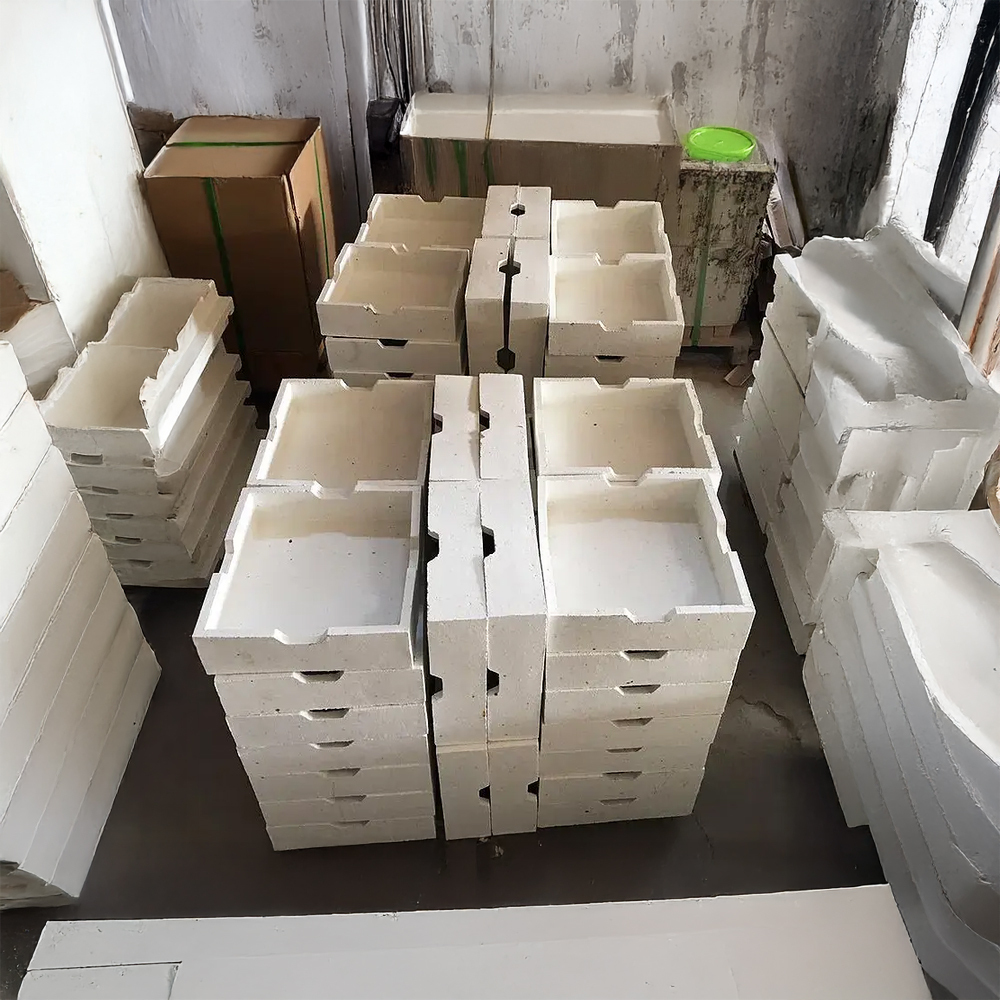
In modern lithium battery production, cost control and product quality improvement are the goals that companies continuously pursue. As the application of silicon carbide (SiC) saggers becomes increasingly widespread in the industry, the focus has shifted to how to meet high-performance requirements while controlling production costs. Silicon carbide saggers, with their superior thermal performance and durability, are gradually replacing traditional materials and becoming the preferred choice for lithium battery manufacturers. However, their relatively high price has sparked widespread discussions about cost-effectiveness in the market. In this blog, we will delve into the market price trends of silicon carbide saggers and provide a cost-effectiveness analysis to help companies achieve the best balance when selecting materials.
-
The Cost Structure of Silicon Carbide Saggers: Analyzing Costs from Raw Materials to Finished Products
The price of silicon carbide saggers is influenced by multiple factors, not just market demand. First, there is the cost of raw materials. Silicon carbide, as a high-performance ceramic material, requires a complex extraction and purification process, leading to a high initial cost. Second, the manufacturing process directly impacts the final price of the saggers. The production of silicon carbide saggers involves several steps, including high-temperature sintering and precision machining, all of which incur significant energy and labor costs. Additionally, logistics and distribution costs, especially in the context of a strained global supply chain, also contribute to the price. By thoroughly analyzing these cost components, companies can better understand the pricing mechanisms of silicon carbide saggers.
-
Market Price Trends: The Impact of Global Supply Chains and Demand Changes
In recent years, the rapid expansion of the global lithium battery market has significantly increased the demand for high-performance saggers. Consequently, the price of silicon carbide saggers has shown an upward trend. However, price drivers include not only demand but also changes in the global supply chain. Factors such as pandemics and geopolitical uncertainties have increased the challenges of raw material supply stability and logistics, further driving up the price of silicon carbide saggers. Additionally, the rapid development of emerging markets has also contributed to price trends increases. Understanding these market trends can help companies make more informed decisions in procurement and budget planning.
-
Cost-Effectiveness Analysis: Why Are Silicon Carbide Saggers Worth the Investment?
Despite the higher initial cost of silicon carbide saggers, they offer significant cost-effectiveness advantages in the long run. First, the lifespan of silicon carbide saggers far exceeds that of traditional materials, reducing the downtime and maintenance costs associated with frequent replacements, thus lowering long-term operating costs. Second, their superior thermal stability and corrosion resistance ensure consistency and high quality in lithium battery production, reducing defect rates and improving production efficiency. Moreover, the excellent performance of silicon carbide saggers in high-temperature processes can significantly reduce energy consumption, further cutting production costs. Given these multiple advantages, the higher price of silicon carbide saggers is justified by the substantial overall benefits they offer.
-
How Companies Can Optimize Cost Management: Comprehensive Strategies from Procurement to Application
To maximize the cost-effectiveness of using silicon carbide saggers, companies can adopt various strategies. First, establishing long-term partnerships with suppliers to secure bulk purchase discounts can reduce procurement costs. Second, companies should optimize production processes to fully leverage the performance advantages of silicon carbide saggers, minimizing unnecessary waste and loss. Additionally, enhancing equipment maintenance and sagger management is crucial for extending their service life. By implementing these methods, companies can maintain high product quality while controlling production costs, thus achieving greater profit margins.
Conclusion
Silicon carbide saggers, with their excellent performance and longevity, offer undeniable advantages for lithium battery production. Although their price is relatively high, through scientific cost management and reasonable procurement strategies, companies can achieve the best balance between performance and cost. In the future, as market demand continues to grow and technology advances, the cost-effectiveness of silicon carbide saggers will become even more apparent, creating more value for companies. In this process, companies should maintain a keen market awareness, seize opportunities, optimize resource allocation, and ensure they remain competitive in the market.

Leave a Reply