
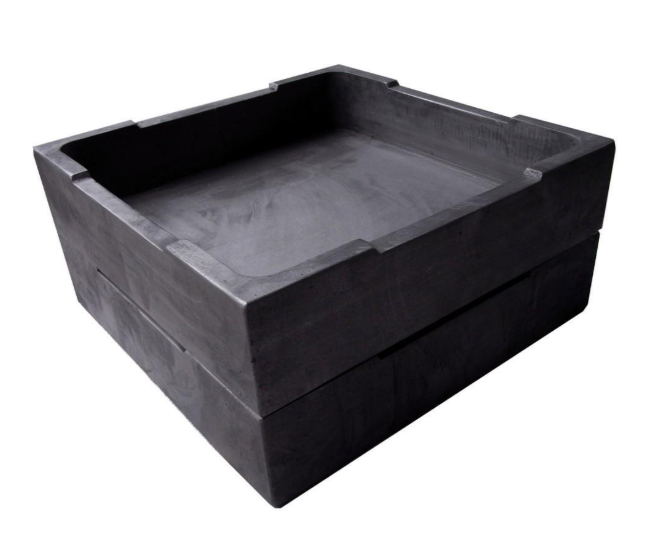
Practical Tips for Extending the Lifespan of Silicon Carbide Saggers
Silicon Carbide (SiC) saggers are a high-performance solution for sintering and thermal processing in industries such as lithium battery materials, ceramics, and powder metallurgy. While SiC saggers are known for their durability, thermal shock resistance, and chemical stability, their actual lifespan depends significantly on how they are used and maintained.
In this article, we share practical, field-tested tips for maximizing the working life of your Silicon Carbide Saggers—helping you lower replacement costs, reduce downtime, and maintain product quality.
-
Choose the Right Type of SiC for Your Process
The first step in extending sagger life is using the right material for your operating conditions:
SSiC (Pressureless Sintered SiC): Best for high-purity, high-temperature, and oxidizing environments.
RB-SiC (Reaction Bonded SiC): Cost-effective and durable for most general applications.
NB-SiC (Nitride Bonded SiC): Suitable for moderate temperatures and gas-fired kilns.
Mismatching your sagger type to your process (e.g., using RB-SiC in high-purity battery sintering) can lead to premature wear or contamination issues.
-
Preheat Slowly When First Using New Saggers
Brand new Silicon Carbide Saggers may contain residual moisture or stress from manufacturing. To minimize risk of cracking:
Preheat saggers gradually in an empty kiln to about 200–300°C.
Hold at that temperature for 2–3 hours to ensure even outgassing.
Then continue to ramp up slowly to operational temperature over time.
This one-time step helps reduce the likelihood of thermal shock during initial cycles.
-
Avoid Rapid Temperature Fluctuations
SiC has excellent thermal shock resistance, but sudden temperature drops (e.g., from opening kilns prematurely) can still cause damage:
Use controlled cooling protocols.
Avoid exposing hot saggers to ambient air or cold surfaces.
Ensure temperature ramp rates (especially during startup and shutdown) follow manufacturer guidelines.
This is especially important in push-plate and shuttle kilns, where fast cycling is common.
-
Maintain Clean Working Surfaces
Contaminants such as lithium salts, binders, or metal oxides can attack the SiC surface over time. To extend life:
Clean saggers regularly using brushes or compressed air.
Avoid aggressive scraping, which can introduce microcracks.
For stubborn residues, use thermal burnout (empty firing) at elevated temperatures with proper ventilation.
Keeping saggers clean also reduces cross-contamination between batches.
-
Use Spacer Layers or Protective Linings
Placing a ceramic paper, alumina plate, or thin powder bed at the base of the sagger can:
Protect against direct chemical attack from reactive powders
Prevent product adhesion to the sagger surface
Reduce thermal gradient between parts and container
This is especially useful when sintering lithium battery materials, catalysts, or metallic powders that may react with SiC under heat.
-
Rotate and Reposition Saggers Regularly
Uneven wear can occur when saggers are always used in the same orientation or position:
Rotate saggers 90° or 180° between cycles.
Alternate top/bottom stacking positions to balance thermal stress and load weight.
Periodically inspect saggers for hairline cracks, warping, or softening at the corners or edges.
These practices promote even wear distribution and early detection of potential failures.
-
Store Properly Between Uses
When not in use, SiC saggers should be:
Stored in dry, ventilated areas to avoid moisture absorption
Placed on flat, padded surfaces to prevent accidental chipping
Avoided from stacking too high, which can create pressure cracks at the base
Proper off-line storage can help extend the service life by minimizing mechanical damage.
-
Avoid Overloading
Exceeding the recommended weight capacity or applying pressure unevenly can:
Stress the sagger walls and base
Cause microcracks that propagate over time
Lead to distortion during thermal expansion
Always follow load guidelines from the manufacturer and distribute mass evenly across the sagger surface.
-
Consider Protective Coatings for Harsh Environments
For highly reactive atmospheres or sintering materials that emit corrosive vapors (e.g., fluorides, lithium compounds):
Use saggers with alumina or yttria coatings
Or apply sacrificial barrier materials (e.g., thin liners or trays)
These coatings can extend life by reducing direct contact between SiC and corrosive agents.
Conclusion
Maximizing the lifespan of your Silicon Carbide saggers is not just about choosing the right product—it’s about how you use, maintain, and store it over time. By following these simple but effective maintenance practices, manufacturers can achieve:
Longer service life
Lower operating costs
More consistent sintering results
Reduced waste and downtime
In high-value applications like battery cathode materials or powder metallurgy, even small improvements in sagger longevity can yield substantial operational benefits.

Leave a Reply