
Potential Applications of Recrystallized Silicon Carbide in the New Energy Industry
The renewable energy sector, including solar, wind, and battery technologies, is driving the demand for materials that can operate effectively under extreme environmental conditions. As energy technologies evolve, the need for high-performance materials that can withstand high temperatures, corrosive environments, and mechanical stresses has become critical. Recrystallized Silicon Carbide (R-SiC) stands out as a promising candidate for widespread application in renewable energy due to its exceptional thermal conductivity, mechanical strength, and corrosion resistance.
1. R-SiC in Solar Energy Applications
Solar energy systems require materials capable of withstanding high temperatures and various environmental conditions without degradation. R-SiC, with its excellent thermal and mechanical properties, is becoming increasingly important in several areas of solar energy technology.
- High-Temperature Solar Collectors: Concentrated Solar Power (CSP) systems rely on solar collectors that gather and store high-temperature energy. R-SiC can withstand temperatures over 1600°C and offers exceptional thermal conductivity, making it an ideal material for heat exchangers and absorber tubes in CSP systems.
- Photovoltaic Manufacturing: R-SiC is also used in the production of silicon wafers for photovoltaic (PV) cells. High-purity R-SiC crucibles are used for melting and recrystallizing silicon, ensuring the production of high-quality wafers. Its resistance to contamination and high-temperature durability are crucial for improving the efficiency of solar cells.
2. R-SiC’s Role in Wind Energy Under Harsh Conditions
Wind turbines operate in environments with fluctuating temperatures, high humidity, and corrosive elements (e.g., seawater). R-SiC’s corrosion resistance and ability to withstand mechanical stresses make it a valuable material for various components in wind energy systems.
- Offshore Wind Turbine Bearings and Seals: Offshore turbines face some of the harshest environmental conditions, exposed to seawater, wind, and fluctuating temperatures. R-SiC can be used in critical components such as turbine bearings and seals, which are essential for ensuring smooth rotation and reducing friction. Its wear resistance and corrosion resistance significantly increase the durability of these parts.
- Power Electronics Heat Dissipation: Power electronics in wind turbines are responsible for converting mechanical energy into electrical energy, generating significant heat. R-SiC’s high thermal conductivity makes it an ideal material for heat dissipation systems, ensuring efficient cooling and preventing overheating of electronic components.
3. R-SiC Enhancing Battery Technology
Energy storage, especially battery technology, is the cornerstone of the renewable energy transition. R-SiC offers significant advantages in battery manufacturing and operation, particularly in extreme conditions.
- Advanced Battery Production: In the production of lithium-ion batteries, R-SiC is used in high-temperature components such as sintering furnace linings for battery materials. Its resistance to chemical degradation and thermal stability ensures high-purity production processes, which are crucial for producing batteries with higher energy densities and longer lifespans.
- Solid-State Batteries: R-SiC also shows potential in the development of next-generation solid-state batteries. Unlike traditional liquid electrolyte batteries, these batteries need materials that can withstand higher thermal and chemical stresses. R-SiC’s mechanical integrity and resistance to thermal expansion make it a promising material for battery casings and separators, enhancing battery safety and performance.
4. R-SiC in Hydrogen Energy: Future Potential
The hydrogen industry is another growing field in clean energy. R-SiC can play an important role in the development of hydrogen production, storage, and fuel cell technologies.
- Electrolysis for Hydrogen Production: The electrolysis process, which splits water into hydrogen and oxygen, requires materials that can withstand high temperatures and corrosive environments, especially for electrodes. R-SiC’s excellent corrosion resistance can extend the lifespan of these electrodes, making the electrolysis process more efficient and cost-effective.
- Fuel Cells: Hydrogen fuel cells, which convert hydrogen into electricity, require high-performance materials that can operate at high temperatures without degradation. R-SiC can be used to produce fuel cell components, such as interconnects and seals, ensuring the longevity and stability of the fuel cell.
5. Industry Trends and Future Outlook
With the continued growth of the renewable energy industry, there is an increasing demand for advanced materials that can enhance the efficiency and durability of energy systems. Recrystallized Silicon Carbide (R-SiC) is poised to become an indispensable material in this transition, driven by the following trends:
- Increasing Demand for High-Temperature Materials: As solar, wind, and battery technologies continue to push the limits of operational efficiency, the demand for materials like R-SiC that can withstand high temperatures and harsh environments will continue to rise.
- Technological Advancements: Ongoing material science research may reduce the production costs of high-purity R-SiC, making it more feasible for large-scale deployment in the renewable energy sector.
- Sustainability and Recycling: R-SiC is not only durable but can also contribute to the sustainability of energy systems by reducing the frequency of component replacements and enhancing energy efficiency. This aligns with global efforts to reduce waste and extend the lifecycle of renewable energy technologies.
Conclusion
Recrystallized Silicon Carbide (R-SiC) has enormous potential in the renewable energy sector, from improving solar and wind energy systems to enhancing battery technology and hydrogen production. With its high-temperature stability, corrosion resistance, and mechanical strength, R-SiC is set to play a key role in the future of clean energy. As the industry evolves, the use of advanced materials like R-SiC will be essential to achieving higher efficiency, durability, and sustainability in energy systems.
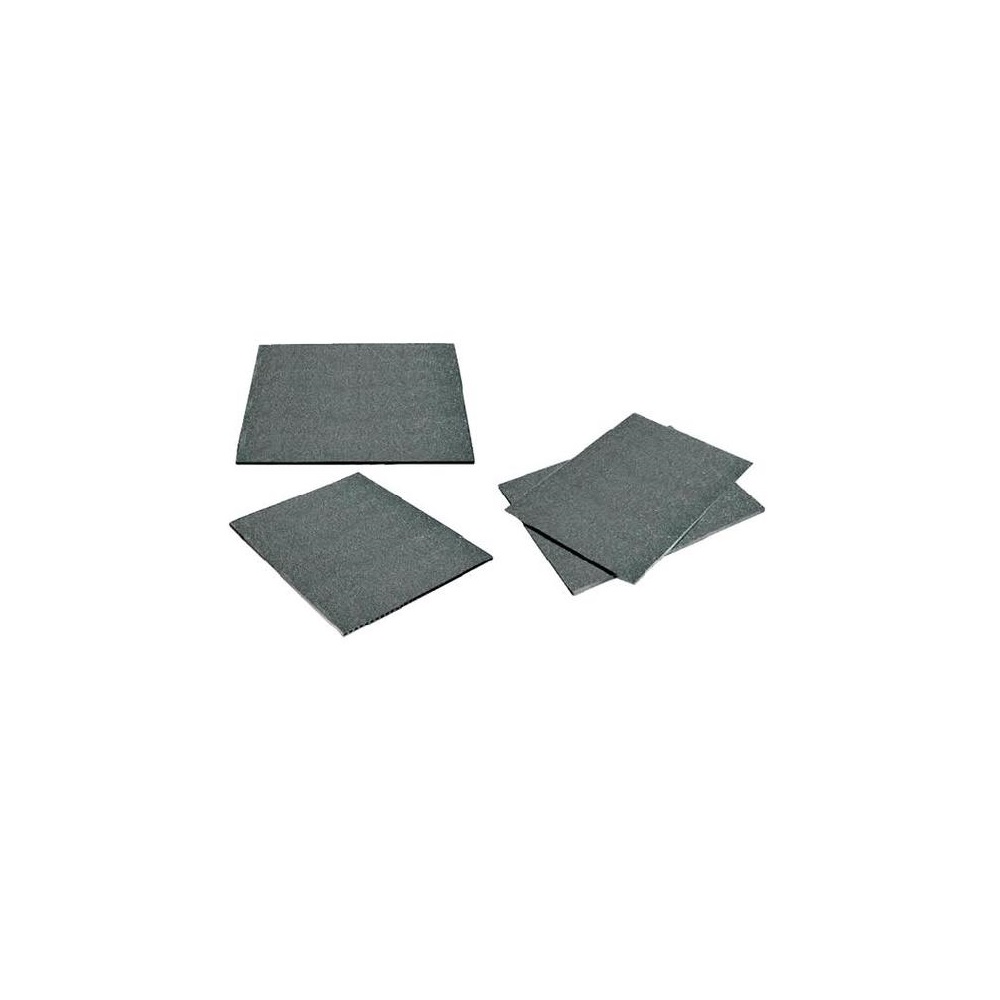
![Recrystallized Silicon Carbide Plate [MH-XG-R.SiC99]](https://moatcity.com/wp-content/uploads/2024/10/222-1.jpg)

Leave a Reply