
Pioneering Ceramic Technology: Exploring Future Trends in Furnace Setters for Metal Injection Molding (MIM)
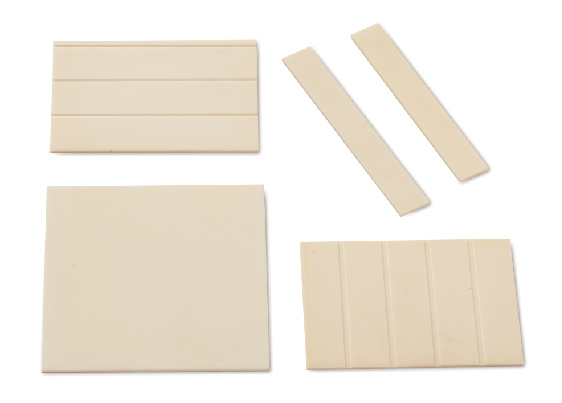
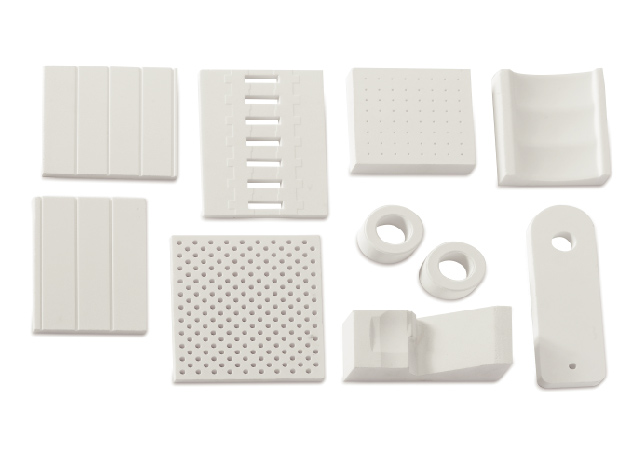
In the dynamic landscape of manufacturing, innovation is the driving force behind progress. As Metal Injection Molding (MIM) continues to revolutionize the production of complex metal components, advancements in ceramic technology play a pivotal role in shaping the future of furnace setters. These setters, crucial for supporting green parts during debinding and sintering, are undergoing a transformative evolution, propelled by emerging trends and cutting-edge research. Let’s delve into the realm of ceramic technology and explore the future trends poised to redefine furnace setters in MIM processes.
Nanostructured Ceramics: One of the most promising trends in ceramic technology is the development of nanostructured ceramics. By leveraging nanoscale engineering techniques, researchers are enhancing the properties of ceramics, such as strength, toughness, and thermal stability. Nanostructured ceramics have the potential to revolutionize furnace setters by offering unprecedented durability, allowing for prolonged service life and increased reliability in MIM operations.
High-Performance Thermal Insulation: As energy efficiency becomes a paramount concern in manufacturing, there is a growing emphasis on the development of high-performance thermal insulation materials for furnace setters. Advanced ceramics with superior thermal insulation properties can minimize heat loss during debinding and sintering, leading to reduced energy consumption and shorter processing times. This trend aligns with the industry’s sustainability goals while optimizing production efficiency.
Additive Manufacturing (AM) Integration: Additive manufacturing techniques, such as 3D printing, are revolutionizing the production of ceramic components, including furnace setters. AM enables the rapid prototyping and customization of complex ceramic geometries, allowing for tailored solutions to meet specific MIM requirements. By integrating AM into the manufacturing process, companies can achieve greater design flexibility, faster turnaround times, and cost-effective production of furnace setters.
Smart and Self-Healing Materials: The advent of smart materials and self-healing technologies holds immense potential for enhancing the performance and longevity of furnace setters. Smart ceramics embedded with sensors can provide real-time monitoring of temperature, pressure, and stress, enabling proactive maintenance and process optimization. Additionally, self-healing ceramics with the ability to repair minor damages autonomously can extend the service life of furnace setters, reducing downtime and maintenance costs.
Multifunctional Ceramic Composites: Multifunctional ceramic composites are emerging as a disruptive trend in ceramic technology, offering a synergistic combination of properties tailored for specific applications. By incorporating reinforcements such as fibers, nanoparticles, or whiskers, ceramic composites can achieve enhanced mechanical strength, wear resistance, and thermal conductivity. Furnace setters fabricated from multifunctional ceramic composites can withstand the demanding conditions of MIM processes while delivering superior performance and durability.
Digital Twin Integration: The concept of digital twins, virtual replicas of physical assets, is gaining traction in the manufacturing industry, including ceramic furnace setters. By creating digital twins of furnace setters, manufacturers can simulate and optimize their performance in virtual environments, enabling predictive maintenance, process optimization, and performance enhancement. Digital twin integration holds the potential to revolutionize MIM operations by providing insights into furnace setter behavior and facilitating data-driven decision-making.
Conclusion
The future of furnace setters for Metal Injection Molding (MIM) is characterized by a convergence of innovative ceramic technologies, ranging from nanostructured ceramics and high-performance thermal insulation to additive manufacturing integration and smart materials. By embracing these trends, manufacturers can unlock new levels of efficiency, reliability, and customization in MIM processes, positioning themselves at the forefront of technological advancement in the manufacturing industry. As the demand for complex metal components continues to grow, the evolution of ceramic furnace setters will play a pivotal role in shaping the future of MIM and driving innovation across diverse industrial sectors.

Leave a Reply