Optimizing Dental Implant Manufacturing with Ceramic Furnace Setters
In modern dentistry, dental implants have become the gold standard for replacing missing teeth and restoring smiles with natural prosthetics. The manufacturing of dental implants involves a complex process that requires precision, reliability, and advanced technology. Ceramic furnace setters are at the heart of this process, revolutionizing the way dental implants are made and ensuring excellent quality.
Understanding the Role of Dental Implants
Dental implants are complex prosthetic devices designed to mimic the function and appearance of natural teeth. Made from biocompatible materials such as titanium and ceramics, these implants serve as anchors for crowns, bridges, and dentures, providing patients with a long-term solution to tooth loss.
The Importance of Sintering in Dental Implant Manufacturing
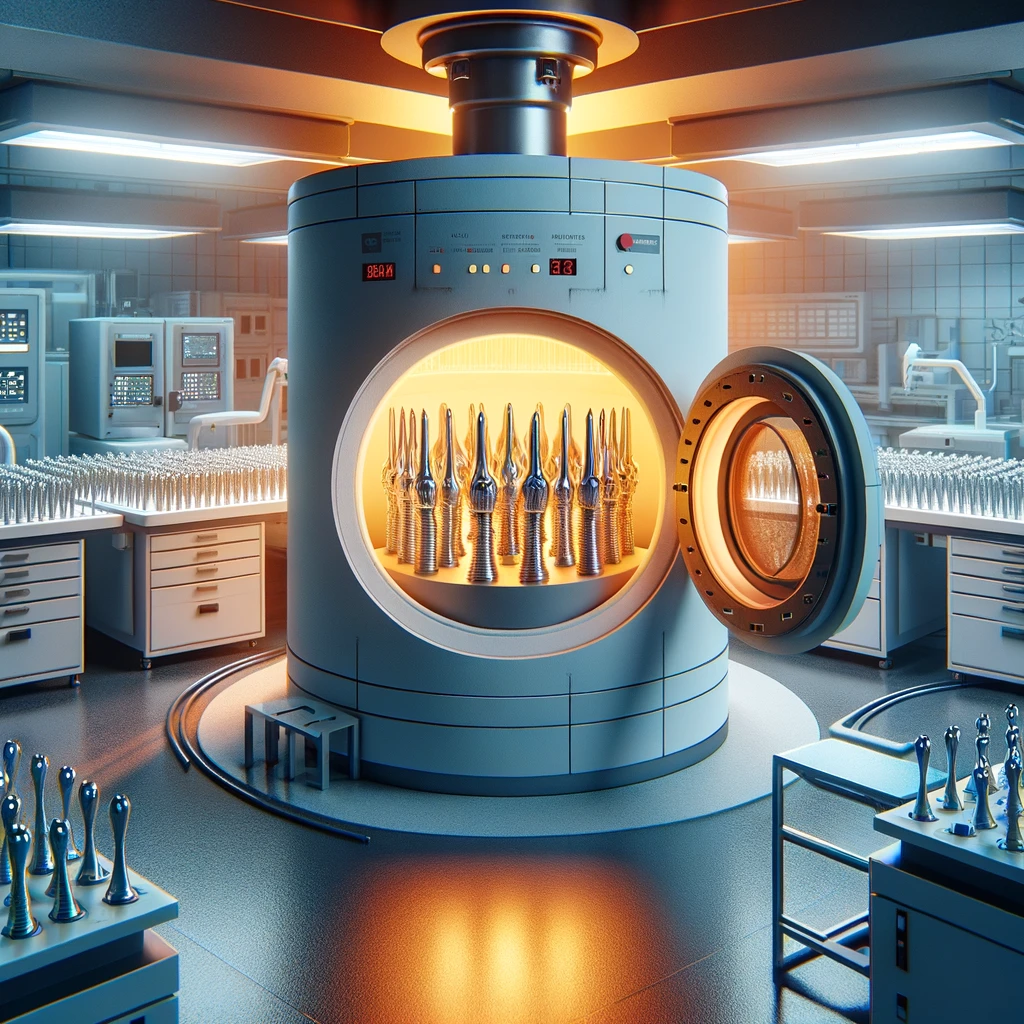
Sintering is a crucial stage in dental implant manufacturing, where ceramic powders are solidified through controlled heating, forming durable, biocompatible components. This process not only enhances the mechanical properties of dental implants but also ensures precise fitting and aesthetics.
Advantages of Ceramic Furnace Setters in Dental Implant Sintering
Ceramic furnace setters, made from high-quality materials such as corundum, mullite, and alumina, offer several advantages in dental implant sintering:
- Exceptional Thermal Stability: The sintered bodies of corundum-mullite and alumina have excellent thermal stability, enabling uniform heat distribution and precise control of the sintering process. This stability is crucial for achieving optimal material density and structural integrity in dental implants.
- Thermal Shock Resistance: The sintering of dental implants involves rapid heating and cooling cycles, which can subject equipment to thermal shock. Ceramic furnace setters are renowned for their thermal shock resistance, ensuring consistent performance and longevity even under demanding sintering conditions.
- Minimized Contamination Risk: The purity and inertness of ceramic furnace setters help minimize the risk of contamination during the sintering process, maintaining the biocompatibility and aesthetics of dental implants. This is particularly important in dental applications where precision and cleanliness are critical.
Innovation Drives Forward Dental Implant Manufacturing
The integration of advanced ceramic furnace setters into the dental implant manufacturing process represents a significant leap in dental technology. By optimizing sintering conditions and enhancing the reliability of the manufacturing process, these setters enable dental laboratories and manufacturers to produce implants with unprecedented precision and quality.
Conclusion: A Bright Future for Dental Implant Technology
As dental implant technology continues to evolve, the role of ceramic furnace setters in optimizing the manufacturing process becomes increasingly indispensable. By leveraging the thermal stability, thermal shock resistance, and purity of ceramic setters, dental professionals can deliver exceptional treatment outcomes and improve patient satisfaction.
In the dynamic landscape of modern dentistry, the synergy between advanced materials and innovative technologies paves the way for groundbreaking progress in dental implant manufacturing. With ceramic furnace setters leading the charge in this revolution, the future of dental implants has never been brighter, promising patients a lifetime of confident smiles and restored oral health.


Leave a Reply