15,March,2024
Materials in Zirconia Teeth Manufacturing and Their Compatible Sintering Saggers/Trays
Introduction
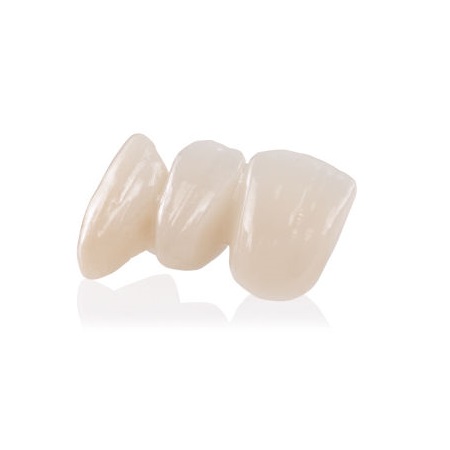
The manufacturing of zirconia teeth is a complex process that involves various materials, each playing a critical role in the final product’s quality. Equally important are the sintering saggers and trays used during the production process, as they must be compatible with the specific materials and conditions of zirconia sintering. This blog post explores the materials used in zirconia teeth manufacturing and the compatible sintering saggers and trays.
Key Materials in Zirconia Teeth Manufacturing
1. Zirconium Dioxide (Zirconia)
- Primary Material: Zirconia, in its stabilized form, is the main component in zirconia teeth. It is prized for its strength, durability, and aesthetic resemblance to natural teeth.
- Variants: There are several types of zirconia used, including yttria-stabilized zirconia (YSZ), which is popular due to its excellent mechanical properties and biocompatibility.
2. Colorants and Glazes
- Aesthetic Enhancement: To mimic the natural color of teeth, various colorants are used. Additionally, glazes are applied to give the zirconia teeth a natural shine and smooth finish.
Compatible Sintering Saggers
3. Auxiliary Agents
- Binders and Lubricants: These are used in the milling process to facilitate the shaping of zirconia blanks and to enhance the final texture.
Sintering Saggers and Trays
1. Materials for Saggers/Trays
- Corundum-Mullite: This is a popular choice due to its high thermal stability and resistance to thermal shock, which is crucial for the high sintering temperatures of zirconia.
- Alumina (Aluminum Oxide): Alumina saggers are also commonly used, offering good heat resistance and durability.
- Silicon Carbide and Nitride: These materials are known for their strength and thermal conductivity, making them suitable for certain sintering environments.
Compatible Sintering Saggers
2. Choosing the Right Sagger/Tray
- Compatibility with Zirconia: The material of the sagger or tray must be chemically inert to prevent reaction with zirconia at high temperatures.
- Thermal Properties: They must withstand the sintering temperature of zirconia, which can reach up to 1,500°C (2,732°F).
- Dimensional Stability: Saggers and trays should maintain their shape and size under high temperatures to ensure the accurate sintering of zirconia teeth.
Compatible Sintering Saggers
3. Influence on Final Product Quality
- Uniform Heating and Cooling: The material of the sagger/tray influences the even distribution of heat, crucial for achieving consistent quality in zirconia teeth.
- Prevention of Contamination: High-quality sagger/tray materials minimize the risk of contamination during the sintering process.
Compatible Sintering Saggers
Technological Integration
- CAD/CAM Systems: In conjunction with advanced sagger and tray materials, CAD/CAM systems play a vital role in the precise manufacturing of zirconia teeth.
Sustainability and Environmental Considerations
- Longevity and Reusability: Durable materials like corundum-mullite enhance the sustainability of the manufacturing process by extending the life of saggers and trays.
FAQs
- Can the wrong sagger/tray material affect the quality of zirconia teeth? Yes, using inappropriate materials for zirconia saggers/trays can lead to issues like contamination or uneven sintering, affecting the quality of zirconia teeth.
- How often do sintering saggers/trays need to be replaced? This depends on the material and usage, but high-quality materials like corundum-mullite have a longer lifespan.
- Are there environmental concerns with the materials used in zirconia teeth manufacturing? The industry is increasingly focusing on environmentally friendly practices, including the use of sustainable materials and recycling used saggers/trays.
- How has technology improved the compatibility of saggers/trays with zirconia teeth manufacturing? Technological advancements have led to the development of more resilient and efficient materials for saggers/trays, enhancing the overall quality and efficiency of the manufacturing process.


Leave a Reply