Innovations in Lightweight, Energy-Efficient Kiln Furniture for MLCC Sintering
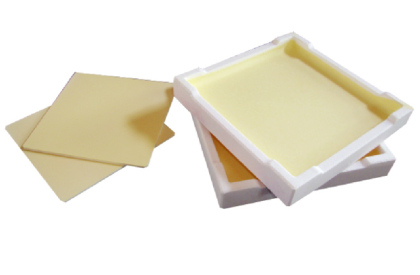
In the rapidly evolving electronics industry, the demand for Multi-Layer Ceramic Capacitors (MLCCs) has surged, driven by their critical role in various applications from consumer electronics to automotive systems. This demand has spotlighted the sintering process, a pivotal phase in MLCC manufacturing, where the role of kiln furniture is fundamental. Recent innovations aimed at developing lightweight, energy-efficient kiln furniture have significantly improved the sintering process, enhancing both the quality of MLCCs and the sustainability of their production.
The Evolution of Kiln Furniture
Traditionally, kiln furniture has been designed to withstand high temperatures and thermal shocks while supporting and protecting ceramic components during sintering. However, conventional materials often come with drawbacks such as high mass and thermal mass, leading to longer heat-up times and increased energy consumption. Recognizing these challenges, industry researchers and engineers have focused on innovations that lead to the development of more efficient kiln furniture.
Lightweight Design
One of the most significant advancements has been the reduction in the weight of kiln furniture. By using advanced materials and innovative design principles, manufacturers have been able to create supports, shelves, and setters that are significantly lighter than their traditional counterparts. This reduction in weight has several benefits:
- Faster Heat-Up and Cool-Down Times: Lightweight kiln furniture reaches the target temperature more quickly and cools down faster, reducing cycle times and increasing throughput.
- Energy Efficiency: Less mass requires less energy to heat, directly contributing to lower energy consumption and costs. This is particularly important in the context of global efforts to reduce industrial energy usage and carbon footprints.
Advanced Materials
The quest for lightweight, energy-efficient kiln furniture has also led to the exploration and adoption of advanced materials. Materials such as advanced cordierite, silicon carbide, and alumina have been optimized for use in kiln furniture, offering exceptional properties:
- Thermal Shock Resistance: Essential for withstanding the rapid temperature changes during the sintering process.
- Mechanical Strength: Important for supporting the weight of stacked MLCCs without deformation.
- Low Thermal Mass: Reduces energy consumption and improves thermal efficiency.
Innovative Manufacturing Techniques
Innovative manufacturing techniques have played a crucial role in the development of advanced kiln furniture. Techniques such as additive manufacturing (3D printing) allow for the creation of complex, optimized structures that were not possible with traditional manufacturing methods. These techniques can produce kiln furniture with:
- Optimized Airflow: Enhancing heat distribution and uniformity, critical for the sintering of MLCCs.
- Customized Designs: Tailored to specific sintering kilns and MLCC sizes, improving packing density and reducing waste.
Environmental Impact
The shift towards lightweight, energy-efficient kiln furniture reflects a broader industry trend towards sustainability. By reducing energy consumption and improving process efficiency, these innovations not only lower production costs but also contribute to the environmental sustainability of the MLCC manufacturing process.
Conclusion
The development of lightweight, energy-efficient kiln furniture represents a significant innovation in the field of MLCC sintering. These advancements not only improve the quality and efficiency of the manufacturing process but also align with the electronics industry’s goals of reducing energy consumption and minimizing environmental impact. As the demand for MLCCs continues to grow, the importance of sustainable, efficient manufacturing processes will only increase, making these innovations in kiln furniture more valuable than ever.

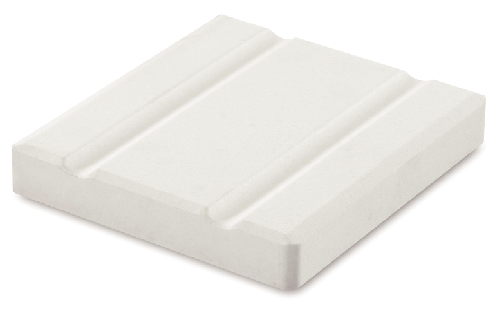
![Silicon Carbide Board [MH-KX-SiC]](https://moatcity.com/wp-content/uploads/2024/10/1728636817408.png)

Leave a Reply