

Exploring Optional Setters in Ceramic Injection Molding: Enhancing Precision and Efficiency
Introduction
In the field of Ceramic Injection Molding (CIM), the sintering furnace plays a crucial role in the sintering process, significantly impacting the quality and integrity of the final ceramic components. The choice of sintering furnace is tailored to meet specific product requirements and furnace configurations, helping manufacturers enhance control over the sintering environment and improve product accuracy and efficiency. This blog explores various types of optional sintering furnaces, their advantages, and how they optimize the CIM process.
What is a Setter in CIM?
A setter is a specialized tool used during the sintering stage of CIM to support and protect ceramic parts during high-temperature treatment. The setter helps solidify and strengthen the ceramic components. It is critical for maintaining the shape and size of the ceramic parts, as significant shrinkage and other deformations occur during the sintering process.
Types of Optional Setters
Depending on the specific requirements of the sintering process and the characteristics of the ceramic parts being produced, optional setters can vary greatly. Some common types include:
- Alumina Setters: These setters are made from high-purity alumina and offer excellent thermal stability, making them ideal for products requiring high-temperature sintering.
- Zirconia-Inset Setters: Known for their thermal shock resistance and low thermal conductivity, zirconia-inset setters are suitable for parts sensitive to rapid temperature changes.
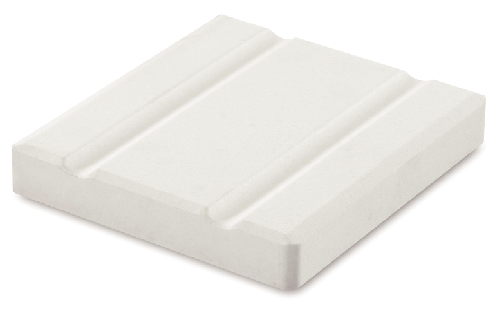
- Silicon Carbide Setters: Silicon carbide setters are used for their high thermal conductivity and strength at high temperatures, making them suitable for faster sintering cycles and components with high thermal demands.
- Custom-Designed Inset Setters: For parts with unique geometries or specific sintering requirements, custom-designed setters can be made to provide optimal support and minimize defects.
Benefits of Using Optional Setters
- Improved Product Quality: During the sintering process, the setter provides critical support, helping maintain the integrity and size of ceramic parts. This is essential for achieving the high precision required in industries like aerospace and biomedical fields.
- Enhanced Efficiency: Choosing the right setter can improve the thermal efficiency of the sintering process, reducing energy consumption and cycle times. This helps increase yield and lower production costs.
- Reduced Defect Rate: By stabilizing the parts during sintering, the setter significantly reduces the occurrence of defects such as warping, cracking, or deformation.
Selecting the Right Setter
Selecting the appropriate setter type involves considering the following factors:
- Material Compatibility: The setter material must be compatible with the ceramic material to avoid chemical reactions or sticking during the sintering process.
- Thermal Performance: The thermal behavior of the setter material should match the sintering characteristics of the ceramic parts to ensure uniform heat distribution and minimize thermal stress.
- Geometric Configuration: The shape and size of the setter should be customized based on the specific geometry of the part, especially for complex or precision components.
Future Trends
As CIM technology advances, more specialized setters may be developed. The focus of innovation will be on providing materials with higher thermal efficiency or materials tailored for specific types of ceramics. Advanced manufacturing technologies, such as 3D printing, are also starting to play a role in creating custom setters that can be produced quickly and cost-effectively.
Conclusion
Optional setters are a key component in the CIM process, providing the necessary support to ensure high-quality, high-precision ceramic parts. By understanding the various types of setters available and selecting the right one for their needs, manufacturers can significantly improve the efficiency and yield of their ceramic injection molding operations. As CIM technology continues to evolve, the functions and applications of setters will continue to advance, further driving innovation across industries.
![Silicon Carbide Board [MH-KX-SiC]](https://moatcity.com/wp-content/uploads/2024/10/1728636817408.png)

Leave a Reply