
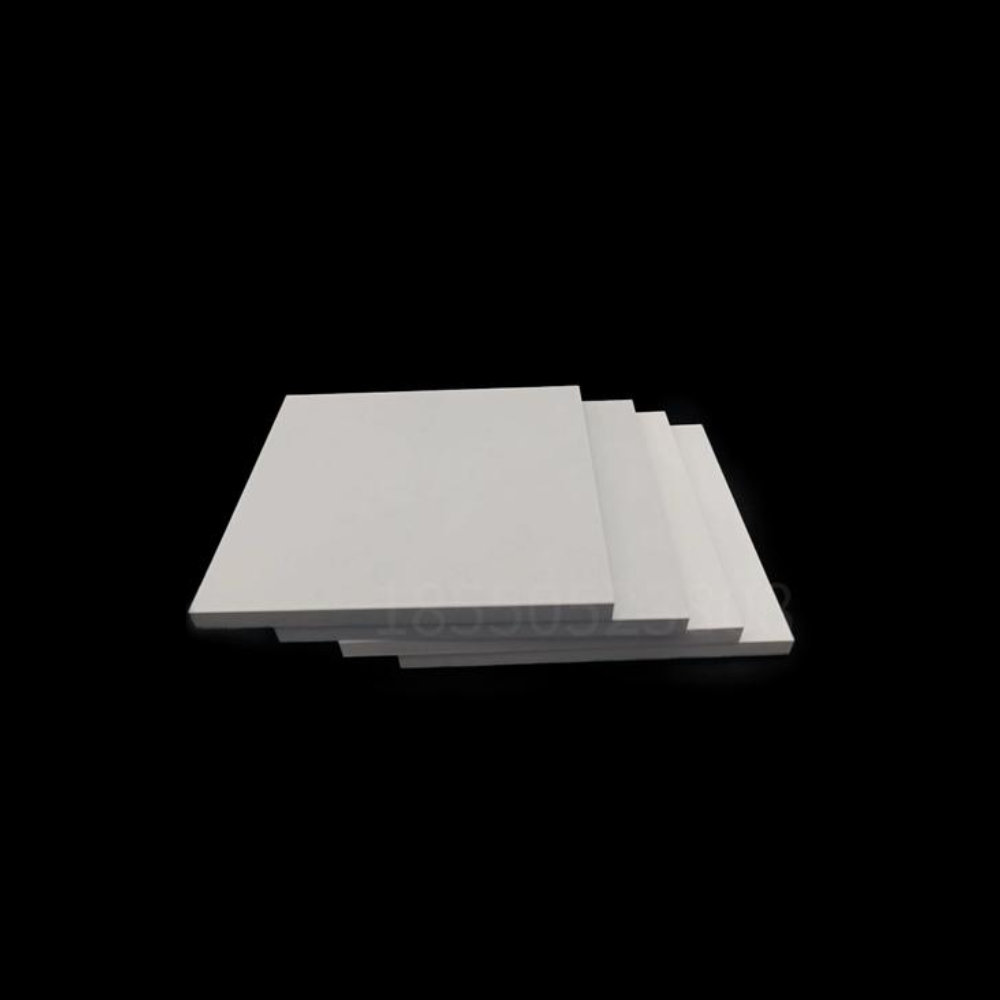
Exploring Mullite: The Unstoppable Hero of High-Temperature Ceramics
In high-temperature environments, the performance of ceramic materials determines whether they can operate stably over long periods. Mullite (Al6Si2O13), an exceptional high-temperature ceramic material, is celebrated for its extraordinary heat resistance, low thermal expansion, and impressive mechanical strength. These qualities make it indispensable across various industries. In this article, we’ll explore the remarkable properties of mullite and its multiple applications in ceramics.
1. What is Mullite? The Legend of High-Temperature Ceramic Materials
Mullite is a unique ceramic material composed of aluminum and silicon, with the chemical formula Al6Si2O13. Its crystal structure belongs to the hexagonal system and has a very high melting point (around 1850°C), making it extremely stable even in extreme high-temperature conditions. Mullite’s low thermal expansion and resistance to thermal shock make it stand out in environments where temperature fluctuations are severe.
Despite being a relatively less-known ceramic material, mullite plays a critical role in highly specialized fields, particularly in high-temperature and refractory materials. For parts that need to operate in high-temperature environments, mullite is undoubtedly the material of choice.
2. Physical Properties of Mullite: Why It’s the Favorite of High-Temperature Ceramics
Mullite’s rise to prominence as a crucial ceramic material is due to its exceptional physical properties. Here are its most prominent features:
• High Melting Point: Mullite’s melting point exceeds 1850°C, meaning it can maintain stability in high-temperature environments, making it ideal for applications in metallurgy, aerospace, and other high-temperature industries.
• Low Thermal Expansion: Mullite’s low coefficient of thermal expansion ensures it remains stable under rapid heating and cooling, reducing the risk of expansion or contraction that could lead to cracking or breakage.
• Thermal Shock Resistance: Mullite can withstand extreme temperature changes without cracking or deforming, making it highly useful in processes involving rapid temperature fluctuations.
• Excellent Oxidation Resistance: Mullite performs well in oxygen-rich environments at high temperatures, which gives it a significant advantage in industries like metallurgy and combustion.
3. Applications of Mullite in Ceramics: The High-Temperature Guardian Across Industries
Mullite is not just a high-temperature material; its applications span across various fields, from industrial production to high-tech manufacturing. Below are some key applications of mullite in ceramics:
3.1 Refractory Materials: The Foundation of High-Temperature Industries
Mullite is widely used in various refractory materials, especially in industries like metallurgy, steelmaking, and glass manufacturing. It not only withstands extreme temperatures but also endures repeated thermal shocks and high pressures, making it the perfect material for furnace linings and kilns.
• High-Temperature Furnace Linings: Mullite refractory bricks are used in metallurgy and ceramic kilns to provide long-lasting heat resistance and prevent furnace walls from deteriorating.
• Refractory Bricks and Kiln Furniture: In high-temperature environments, mullite-based materials are used for furnace linings, sintering kilns, and other industrial equipment to ensure durability and performance.
3.2 High-Temperature Structural Ceramics: The Core Material for Aerospace and Energy Sectors
In aerospace and automotive industries, mullite is used to manufacture engine components, nozzles, and high-temperature sensors. Its high strength and heat resistance ensure that these parts perform reliably even under extreme conditions.
• Aerospace: Mullite materials in engine components and nozzles are capable of withstanding the high temperatures and chemical corrosion found in aerospace applications.
• Automotive Sector: High-temperature automotive components such as heat exchangers and exhaust systems benefit from mullite’s durability, extending the lifespan of the parts.
3.3 Electronic Ceramics: The Electrical Guardian in High-Temperature Environments
In addition to refractory and structural ceramics, mullite is also widely used in electronic ceramics. Its excellent electrical insulation properties and heat resistance make it an ideal substrate material for high-temperature electronic devices. Mullite’s stability in extreme conditions is particularly useful for high-frequency electronic devices.
• Electronic Component Packaging: Mullite is used to protect sensitive electronic components from high temperatures, making it a key material for sensors, capacitors, and other high-temperature electronic components.
• Substrate Material: As a substrate material for electronic devices, mullite ensures the stability and performance of high-temperature devices.
4. Why Choose Mullite? Its Unique Advantages
Mullite stands out in high-temperature ceramics due to its impressive performance. Here are some of the unique advantages that make it the material of choice across various industries:
• Exceptional Thermal Stability: Mullite can maintain stability even in extremely high temperatures, preventing structural damage due to thermal stress.
• Low Thermal Expansion: Its low coefficient of thermal expansion ensures that mullite remains stable even during rapid temperature changes, reducing the risk of cracking or warping.
• Outstanding Oxidation Resistance: Mullite’s resistance to oxidation makes it an ideal material for use in oxygen-rich environments, such as in metallurgy or combustion processes.
• Excellent Mechanical Properties: Even at high temperatures, mullite maintains its strength and hardness, making it highly durable for demanding applications.
5. Conclusion: Mullite’s Irreplaceable Role in High-Temperature Ceramics
Mullite, with its outstanding high-temperature performance and wide range of applications, has become an essential material in the ceramics industry. Whether used in refractory materials for metallurgy or in high-temperature structural ceramics for aerospace, automotive, and energy sectors, mullite has demonstrated its unparalleled value.
As industrial technology continues to advance, mullite’s applications will expand, especially in fields requiring heat resistance, corrosion resistance, and oxidation protection. Understanding the properties and applications of mullite will help guide material selection in various industrial processes, promoting innovation and progress in related technologies.

Leave a Reply