Environmental Advantages of Silicon Carbide Saggars: Longevity Reduces Resource Consumption
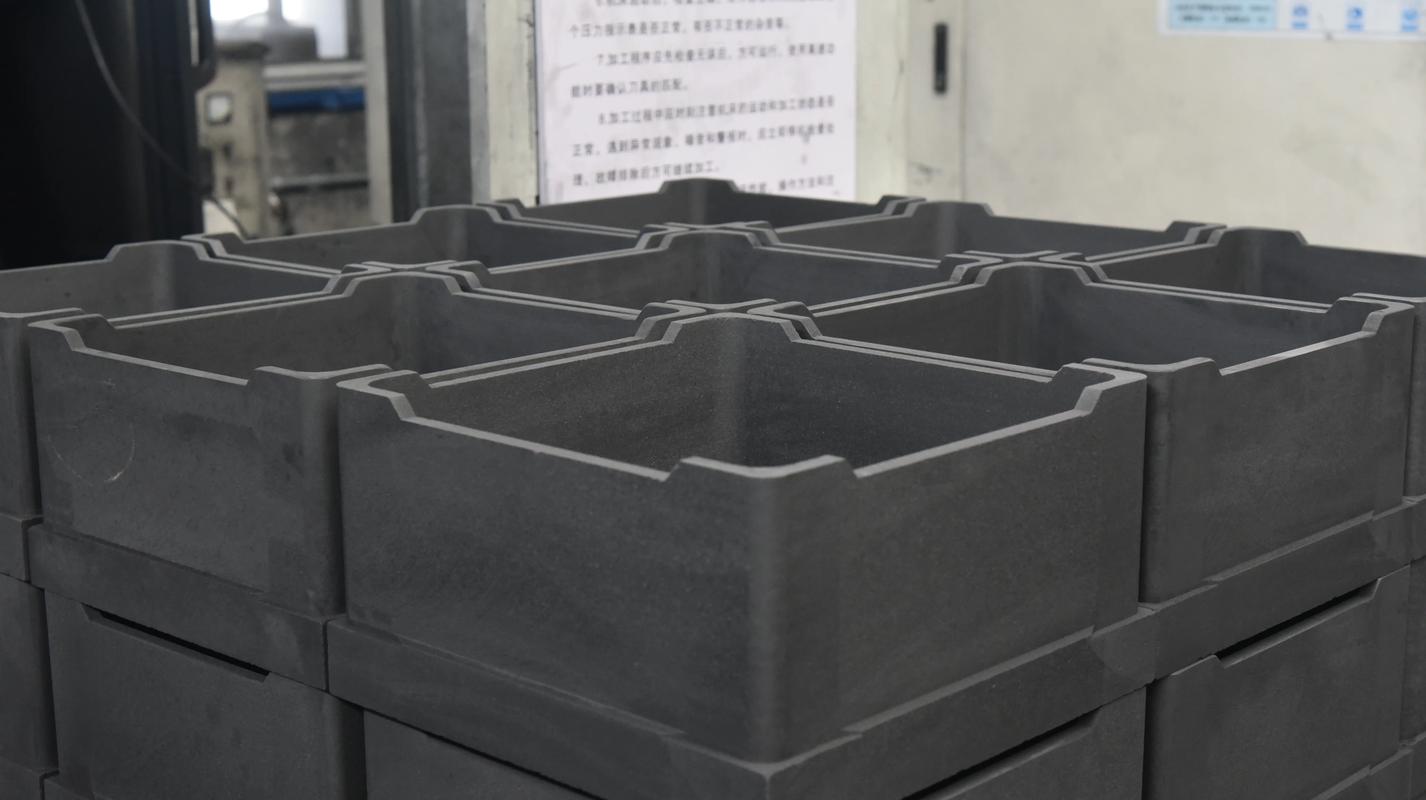
As global demands for sustainability and environmental responsibility continue to rise, the selection of materials in industrial production must consider not only performance and cost but also their impact on the environment. In lithium battery production, Saggars are crucial auxiliary materials, and their lifespan and durability are directly linked to resource consumption, waste management, and overall environmental friendliness of the production process. Silicon carbide Saggars (SiC), with their outstanding longevity and environmental performance, offer significant advantages in reducing resource consumption, minimizing waste, and improving production efficiency.
Resource Conservation Through Longevity
One of the most notable features of SiC Saggars is their exceptional durability and long lifespan. Compared to traditional mullite Saggars, SiC Saggars can maintain stability and integrity for much longer periods, even in high-temperature, high-pressure environments. This longevity directly reduces the frequency of sagger replacements, significantly conserving raw materials.
In the production process, every sagger replacement requires new raw materials and generates waste that needs to be managed. The extended lifespan of SiC Saggars means that fewer Saggars are needed over the same production cycle, reducing the demand for raw materials. This not only alleviates the pressure on resource extraction and processing but also decreases energy consumption, further highlighting the resource-saving benefits of SiC Saggars.
Reducing Environmental Pressure from Waste Management
Waste management is a significant challenge in industrial production, especially when materials need to be replaced frequently. The long lifespan of SiC Saggars greatly reduces the amount of waste generated, thus lowering the environmental burden associated with waste disposal.
Because SiC Saggars can maintain their performance over longer periods, the quantity of discarded Saggars is significantly reduced during production. This means that the challenges and costs associated with waste management are also diminished. Additionally, the SiC material itself is highly stable and environmentally friendly, being resistant to decomposition and the release of harmful substances, which further minimizes the potential environmental impact.
In contrast, traditional mullite Saggars, with their shorter lifespan and higher replacement frequency, generate a larger volume of waste that needs to be processed frequently. This not only increases waste management costs but also exerts greater pressure on the environment. By extending the lifespan of Saggars, SiC Saggars significantly improve the environmental sustainability of the production process.
Enhancing Energy Efficiency and Reducing Carbon Emissions
The long lifespan of silicon carbide (SiC) saggars not only reduces material and waste consumption but also improves energy efficiency, indirectly reducing carbon emissions during the production process. In lithium battery production, the high performance of silicon carbide saggars helps factories lower energy consumption, thereby reducing the carbon footprint of production.
Thanks to their excellent thermal conductivity and heat resistance, SiC saggars can transfer heat more quickly in high-temperature environments, reducing the time and energy required for heating during the production process. By lowering energy usage, factories can decrease carbon emissions, achieving both environmental protection and energy-saving goals.
In contrast, traditional mullite saggars have a lower thermal conductivity, often requiring longer heating times and more energy input to achieve the same production results. This not only increases production costs but also leads to higher energy consumption and carbon emissions. The efficiency of silicon carbide saggars reduces energy waste and environmental pollution while improving production efficiency.
Environmental and Economic Benefits: A Win-Win
The environmental advantages of SiC saggars go beyond resource savings and waste reduction; they also bring significant economic benefits to businesses. By extending the lifespan of saggars, companies can lower the costs of purchasing new saggars and reduce waste management expenses. These direct economic benefits make SiC saggars an attractive choice in the market.
Additionally, using silicon carbide saggars reduces downtime and maintenance costs during the production process, improving production continuity and efficiency. The increase in production efficiency brings greater economic returns for companies, making silicon carbide saggars not only an environmentally friendly choice but also an economically viable and beneficial one.
For companies focused on sustainability, silicon carbide saggars provide a solution that balances environmental responsibility with economic benefits. By reducing resource consumption, minimizing waste generation, and improving energy efficiency, SiC saggars help businesses achieve a win-win situation in both environmental protection and economic profitability.
Conclusion
Silicon carbide saggars, with their excellent lifespan and environmental performance, are the ideal choice for lithium battery production. Their advantages in saving resources, reducing waste, improving energy efficiency, and reducing carbon emissions significantly enhance the environmental sustainability of the production process. Compared to traditional mullite saggars, silicon carbide saggars not only help reduce environmental impact but also bring substantial economic benefits to businesses.
![Silicon Carbide Saggars for Lithium Batteries [MH-LNY-LH-SiC73]](https://moatcity.com/wp-content/uploads/2024/10/01111.jpg)

Leave a Reply