
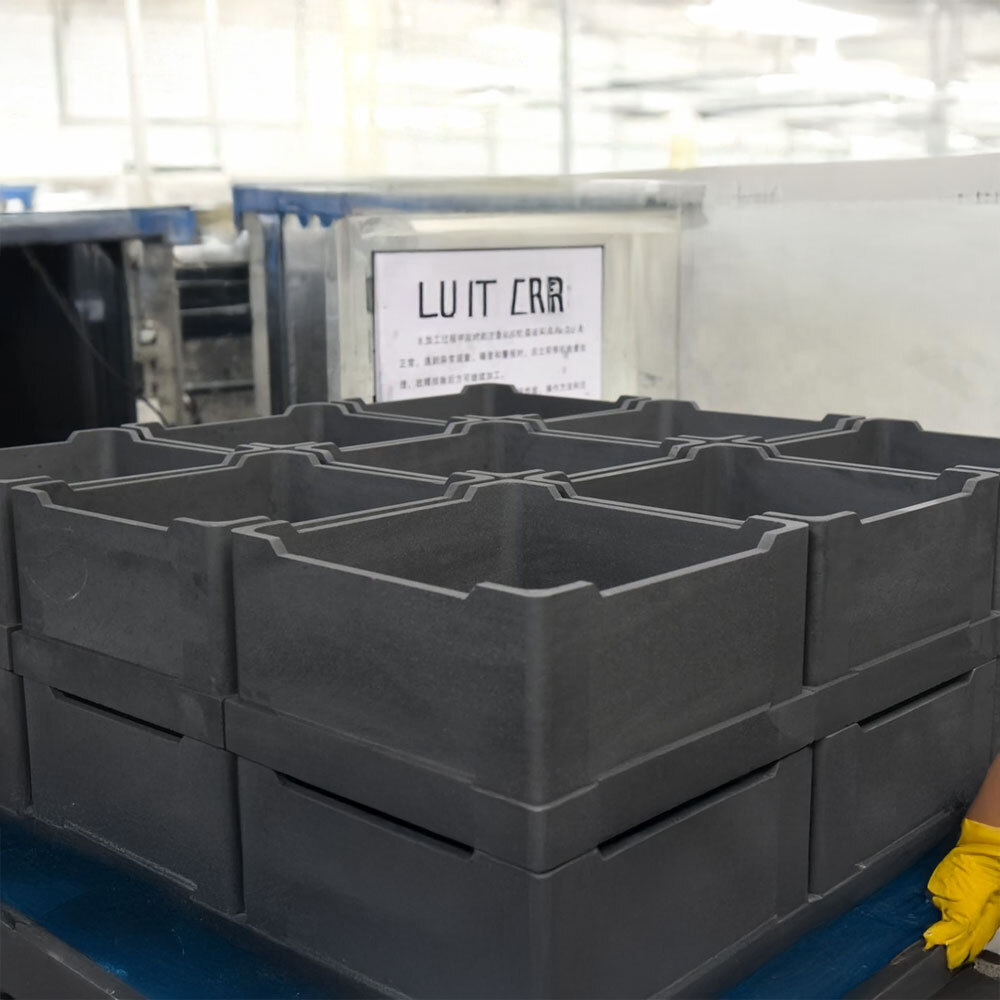
Corundum-Mullite vs Other Refractory Materials: Performance Comparison and Best Application Scenarios
sIn high-temperature and high-pressure environments, the selection of refractory materials directly impacts the performance and lifespan of industrial equipment. Corundum-mullite (Corundum-Mullite composite), as an important composite material, plays a critical role in many high-end applications due to its unique high-temperature stability, wear resistance, and chemical inertness. However, in the vast field of refractory materials, apart from corundum-mullite, there are several other options available, such as corundum, bauxite, and silica bricks. So, how does corundum-mullite compare to these traditional refractory materials in terms of advantages and disadvantages? In practical industrial applications, what factors should be considered to select the most suitable refractory material?
This article will conduct an in-depth comparison of corundum-mullite with other common refractory materials, analyzing their performance characteristics, application scenarios, and selection criteria to help you make the best material choice in real-world production.
-
Introduction to Corundum-Mullite
Corundum-mullite is a composite material made of corundum (Al₂O₃) and mullite (3Al₂O₃·2SiO₂), typically synthesized through high-temperature sintering. It combines the hardness and high-temperature performance of corundum with the low thermal expansion and thermal shock resistance of mullite.
Key Properties:
- High-Temperature Stability: Corundum-mullite can maintain excellent mechanical strength and oxidation resistance at temperatures up to 1700°C.
- Thermal Shock Resistance: With a lower thermal expansion coefficient than pure corundum or bauxite, corundum-mullite exhibits excellent thermal shock resistance.
- Chemical Stability: It offers strong resistance to acids, alkalis, and harmful gases, making it ideal for use in highly corrosive environments.
- Mechanical Strength: Corundum-mullite retains high hardness and compressive strength, even at elevated temperatures.
-
Overview of Common Refractory Materials: Corundum, Bauxite, and Silica Bricks
To better understand the advantages of corundum-mullites, it’s important to consider some other common refractory materials and their main characteristics.
- Corundum (Al₂O₃)
- Composition: Pure alumina (Al₂O₃) crystals.
- Properties: Corundum has extremely high hardness (Mohs hardness of 9) and excellent high-temperature resistance, withstanding temperatures exceeding 1800°C. It also has good chemical resistance.
- Applications: Used in steelmaking, glass production, and other extreme high-temperature environments.
- Bauxite (Bauxite Ore)
- Composition: Primarily composed of bauxite ore (Al₂O₃·xH₂O).
- Properties: Bauxite has good high-temperature resistance and strength but is inferior to corundum and corundum-mullite. It is cheaper and easier to process.
- Applications: Commonly used in metallurgy, ceramics, and construction materials.
- Silica Bricks (SiO₂)
- Composition: Primarily composed of silicon dioxide (SiO₂) with some alumina content.
- Properties: Silica bricks have high melting points but are prone to thermal shock damage. They have a higher thermal expansion coefficient and may undergo shape changes over time in high-temperature environments.
- Applications: Widely used in blast furnaces, steelmaking, and other high-temperature applications, particularly in furnaces and heat exchangers.
III. Performance Comparison: Corundum-Mullite vs Other Refractory Materials
To clearly compare corundum-mullite with other refractory materials, we’ll examine several key performance aspects:
- High-Temperature Stability
- Corundum-Mullite: Can maintain good mechanical properties and resistance to oxidation at temperatures up to 1700°C, with better high-temperature stability than pure corundum or bauxite.
- Corundum: Excellent high-temperature resistance, suitable for use in applications exceeding 1800°C. However, it has poor thermal shock resistance.
- Bauxite: Performs well at temperatures up to about 1500°C but starts to undergo structural changes beyond this temperature.
- Silica Bricks: Effective in temperatures above 1600°C but suffers from thermal shock issues and may expand or crack after prolonged exposure to extreme heat.
- Thermal Shock Resistance
- Corundum-Mullite: Due to its low thermal expansion coefficient, corundum-mullites has excellent thermal shock resistance, withstanding rapid temperature changes without cracking.
- Corundum: Due to its unique crystal structure, corundum has a higher thermal expansion coefficient, making it more susceptible to thermal shock, especially in environments with significant temperature fluctuations.
- Bauxite: Has relatively good thermal shock resistance but is not as effective as corundum-mullites.
- Silica Bricks: High thermal expansion coefficient makes silica bricks prone to thermal shock damage in fluctuating temperature environments.
- Chemical Stability
- Corundum-Mullite: Excellent chemical stability, capable of resisting acids, alkalis, and harmful gases. It is particularly useful in highly corrosive environments.
- Corundum: Has good resistance to most chemicals, but it may be subject to corrosion in certain environments, such as exposure to hydrofluoric acid.
- Bauxite: Has good chemical stability but is more prone to corrosion than corundum and corundum-mullite, particularly in acidic environments.
- Silica Bricks: Strong resistance to acids but less effective in alkaline environments.
- Mechanical Strength
- Corundum-Mullite: Retains a high level of mechanical strength, even at elevated temperatures, making it highly reliable in high-temperature applications.
- Corundum: Extremely hard but has poor toughness at high temperatures, making it prone to brittleness and fracture.
- Bauxite: Lower mechanical strength and more prone to wear and tear, suitable for lower or medium-temperature applications.
- Silica Bricks: Moderate hardness and mechanical strength, but less durable in high-temperature and high-stress conditions.
- Cost
- Corundum-Mullite: Compared to pure corundum, corundum-mullites is less expensive, while still providing a good balance of performance, making it a popular choice in many industrial applications.
- Corundum: More expensive due to its high purity and processing cost but essential for extreme high-temperature applications.
- Bauxite: Lower cost and simpler to process, often used in applications where performance is less demanding.
- Silica Bricks: Moderate cost but not suitable for all high-temperature applications due to thermal shock issues.
-
Best Application Scenarios: How to Choose Refractory Materials
Based on the comparison above, the selection of refractory materials should be based on the specific application requirements.
- Corundum-Mullite: Best suited for applications requiring high-temperature stability, thermal shock resistance, and chemical inertness, such as high-temperature kiln linings, metallurgical furnaces, and rocket nozzles.
- Corundum: Ideal for extreme high-temperature environments (e.g., steelmaking, glass production) but requires careful consideration of thermal shock conditions.
- Bauxite: Cost-effective for use in lower-to-medium-temperature environments, such as general furnace linings and construction materials.
- Silica Bricks: Effective in acidic environments such as blast furnaces and smelting furnaces, but avoid high thermal shock conditions.

Leave a Reply