
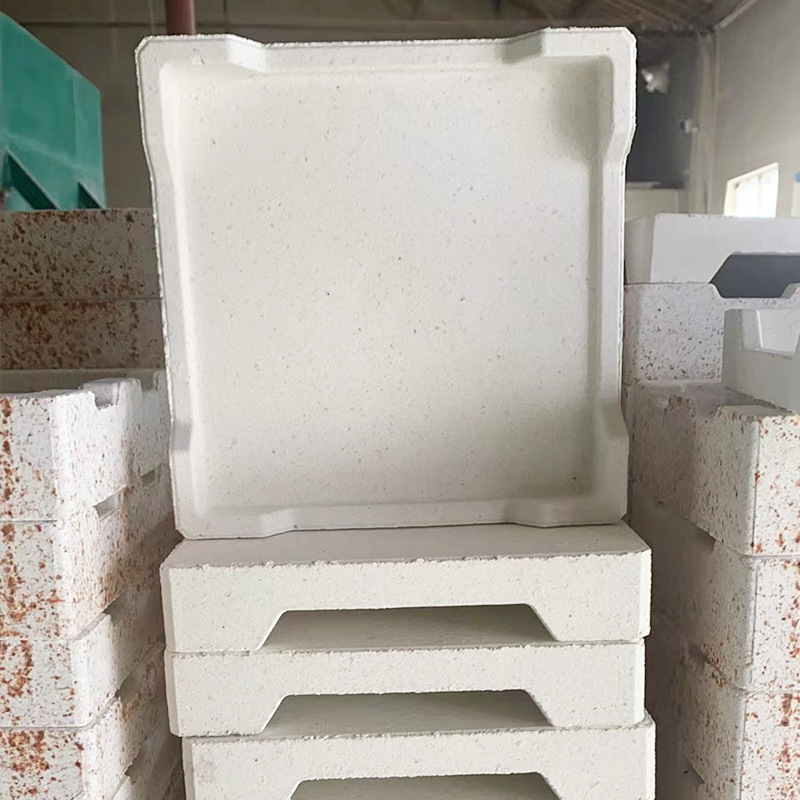
Corundum-Mullite: The Dual Champion of Refractories—Performance and Application Analysis
In the world of refractory materials, there exists a class of materials that stand out for their exceptional high-temperature performance, corrosion resistance, and mechanical strength. These materials are Corundum-Mullite (Corundum-Mullite composites). Composed of corundum (Al₂O₃) and mullite (3Al₂O₃·2SiO₂), corundum-mullite composites play a critical role in a variety of high-temperature industrial fields. They inherit the high-temperature stability of corundum while integrating the thermal expansion properties and mechanical strength of mullite, making them indispensable in industries such as metallurgy, ceramics, and aerospace.
In this article, we will take an in-depth look at what corundum-mullite is, its composition, properties, and performance in high-temperature environments, as well as its unique advantages in the field of refractories. Whether you are new to this field or an expert seeking deeper insights, this article will provide valuable information.
- What is Corundum-Mullite?
1.1 Composition and Structure
Corundum-mullite is a composite material formed by the reaction of corundum (Al₂O₃) and mullite (3Al₂O₃·2SiO₂) at high temperatures. Its chemical formula is typically Al₄Si₂O₁₃, made up of varying proportions of corundum and mullite. This unique combination gives corundum-mullite excellent stability and performance at high temperatures.
- Corundum (Corundum): Made primarily of aluminum and oxygen, corundum is an extremely hard mineral (Mohs hardness 9), known for its excellent high-temperature resistance and chemical stability.
- Mullite (Mullite): A silicate mineral containing aluminum and silicon, mullite is famous for its low thermal expansion and good thermal shock resistance, making it commonly used in high-temperature ceramics.
1.2 Formation Process
Corundum-mullite is typically synthesized through two methods:
- Solid-State Reaction: This involves mixing bauxite, silica, and other additives and subjecting the mixture to high-temperature sintering to form corundum phases.
- Sol-Gel Method: The sol-gel process is used to prepare powders that are then sintered to form corundum composites, often resulting in superior microstructure.
- Key Properties of Corundum-Mullite
2.1 High-Temperature Stability
One of the main advantages of corundum-mullite is its excellent high-temperature stability. It can maintain its integrity in environments above 1500°C, making it ideal for applications in steel smelting, high-temperature kilns, and other industries requiring resistance to extreme heat. Compared to traditional bauxite materials, corundum-mullite retains high thermal shock resistance and stability at high temperatures.
2.2 Mechanical Strength and Wear Resistance
Corundum-mullite exhibits superior hardness and strength compared to most refractory materials, making it highly effective in environments subjected to heavy loads and strong impact. Its high strength is especially important in metallurgical applications, such as furnace linings, where the material is exposed to intense mechanical stress.
2.3 Low Thermal Expansion and Thermal Shock Resistance
Mullite’s composition gives corundum a low thermal expansion coefficient, which contributes to its exceptional thermal shock resistance. This makes it particularly suitable for high-temperature applications with frequent temperature fluctuations, such as ceramic kilns and metal smelting furnaces.
2.4 Chemical Stability
Corundum-mullite exhibits strong chemical stability and is highly resistant to both acidic and alkaline corrosion. In industries such as metallurgy and chemicals, where materials are often exposed to high temperatures and chemical corrosives, corundum-mullite effectively prevents degradation and extends the service life of equipment.
III. Applications of Corundum-Mullite
3.1 Metallurgical Industry
Corundum is widely used in the steelmaking industry for high-temperature furnace linings and furnace bottoms. Its excellent high-temperature and impact resistance allow it to withstand the extreme temperature variations and mechanical stress encountered in these environments. Additionally, corundum is used in casting and metal smelting furnaces, where high-performance materials are critical for efficiency and durability.
3.2 Ceramics and Glass Industry
Corundum , as a high-performance ceramic material, is widely used in ceramic kilns and glass melting furnaces. Its superior high-temperature resistance and thermal shock stability make it ideal for ensuring the stability of production processes at extreme temperatures.
3.3 Aerospace
Due to its excellent thermal expansion properties and high-temperature stability, corundum is also used in the aerospace industry. It serves as an essential material for thermal protection systems and jet engine components, helping to reduce the thermal shock encountered by spacecraft during reentry into the atmosphere.
3.4 Nuclear and Energy Sectors
Corundum-mullite’s radiation resistance and high-temperature stability make it an ideal material for use in nuclear reactors as a lining material. It can withstand the high temperature and radiation environment, ensuring the protection of reactors. Additionally, it is utilized in energy applications such as combustion equipment for new energy sources.
- Future Development of Corundum-Mullite
As technology advances and the demand for high-performance materials grows, the application of corundum is continuously expanding. In the future, corundum may be combined with other materials such as silicon carbide and silicon nitride to further enhance its performance in extreme environments. Additionally, with the growing emphasis on green manufacturing and energy efficiency, developing more environmentally friendly production processes for corundum will be a key focus for future development.
Conclusion
Corundum, as a high-performance composite material, has already proven itself in various high-temperature, high-stress, and high-corrosion environments. From metallurgy to aerospace, from traditional manufacturing to new energy industries, corundum-mullite’s versatility and durability have earned it a reputation as a “dual champion” in the world of refractories. With ongoing scientific advancements and increasing demand for high-performance materials, the future of corundum looks bright, with expanding applications and market potential.

Leave a Reply