Compatibility of Silicon Carbide Saggars with New Lithium Battery Materials
With the rapid advancements in lithium battery technology, the application of new materials continues to emerge. These new materials are not only designed to enhance battery performance but also place higher demands on the production processes and equipment. Silicon carbide (SiC) saggars, as an important auxiliary material in the production process, have shown excellent compatibility with these new lithium battery materials. This article explores how SiC saggars can achieve compatibility with these new materials and their potential applications in future battery technologies.
Development Trends of New Lithium Battery Materials
As the demand for higher energy density, longer cycle life, and better safety in batteries continues to grow, researchers in the lithium battery field are constantly exploring and developing new materials. For instance, the introduction of solid-state electrolyte materials has not only improved battery safety but also significantly increased energy density. Similarly, the development of high-energy density cathode materials such as lithium-rich manganese-based materials and silicon-based anode materials has greatly enhanced battery performance. These new materials require stricter temperature, atmosphere, and process conditions during production, making the selection of auxiliary materials crucial.
Superior Properties of Silicon Carbide Saggars and Their Compatibility with New Materials
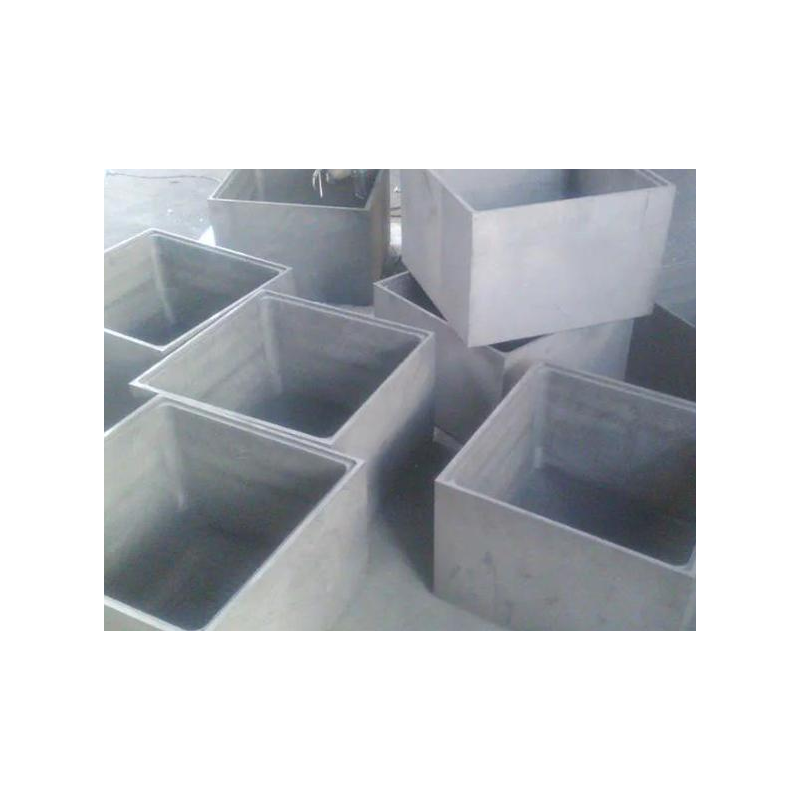
SiC saggars possess excellent chemical stability and mechanical strength, which allow them to maintain structural integrity in high-temperature environments without reacting chemically with battery materials. This stability ensures that SiC saggars effectively prevent material contamination or changes in properties when handling new battery materials, preserving their purity and stability. Additionally, the high thermal conductivity and low thermal expansion coefficient of SiC saggars ensure uniform heat distribution during the sintering process, preventing issues such as stress concentration and cracking caused by uneven temperatures.
Adjustments to Production Processes for Different Materials
With the introduction of new materials in batteries, traditional production processes need to be adjusted accordingly. SiC saggars, with their high heat resistance and adaptability, can accommodate the different sintering temperatures and atmospheric conditions required by various materials. For example, in the production of solid-state electrolyte batteries, SiC saggars can maintain stability under extreme temperatures, ensuring uniform sintering of the electrolyte material and preventing decomposition or phase changes at high temperatures. Moreover, the mechanical strength of SiC saggars makes them resistant to deformation during high-temperature sintering, ensuring the geometric precision of battery components.
Case Studies and Outcome Analysis
In practice, many battery manufacturers have started using SiC saggars in the production of new materials. For instance, a leading battery manufacturer chose SiC saggars as auxiliary sintering materials when developing high-energy-density lithium-sulfur batteries. The results showed that SiC saggars not only improved the material’s density but also significantly reduced the defect rate during production, greatly enhancing product consistency and reliability. Furthermore, the company optimized the sintering process by adjusting the thickness and shape of the saggars, which helped shorten the production cycle.
Future Development: Addressing Evolving Technical Demands
As new materials continue to emerge, SiC saggars must evolve to meet increasingly complex production requirements. In the future, as solid-state batteries, lithium-air batteries, and other new battery technologies mature, SiC saggars will play an even more critical role in high-temperature and more complex chemical environments. Furthermore, the design of SiC saggars will become more customized to meet the specific size, shape, and functional requirements of different battery technologies. Through continuous innovation and improvement, SiC saggars will continue to play an essential role in the ongoing development of the lithium battery industry.
Conclusion
With their excellent material properties, SiC saggars demonstrate good compatibility with new lithium battery materials. As the application of new materials in lithium battery production continues to expand, SiC saggars will remain indispensable, driving innovation and development in battery technology. By continually optimizing processes and material properties, SiC saggars will provide strong support for improving production efficiency and product quality in next-generation battery technologies.
![Silicon Carbide Saggars for Lithium Batteries [MH-LNY-LH-SiC73]](https://moatcity.com/wp-content/uploads/2024/10/01111.jpg)

Leave a Reply