Comparing Recrystallized Silicon Carbide with Traditional Materials: Why It Outperforms in Extreme Environments
As modern industrial technologies continue to advance, traditional materials have increasingly exposed limitations, especially in extreme environments. For applications that require extremely high strength, high temperature resistance, and corrosion resistance, conventional materials like steel, aluminum alloys, and quartz often fail to meet the demanding performance criteria. In this context, recrystallized silicon carbide (SiC) has emerged as a material with exceptional physical properties, making it highly attractive for various industrial fields.
So, what unique advantages does recrystallized silicon carbide have over these traditional materials? Why does it outperform in certain high-temperature, high-pressure, and highly corrosive environments? This article will delve into the comparison between recrystallized silicon carbide and conventional materials, revealing why it stands out in specialized applications.
-
Basic Properties of Recrystallized Silicon Carbide
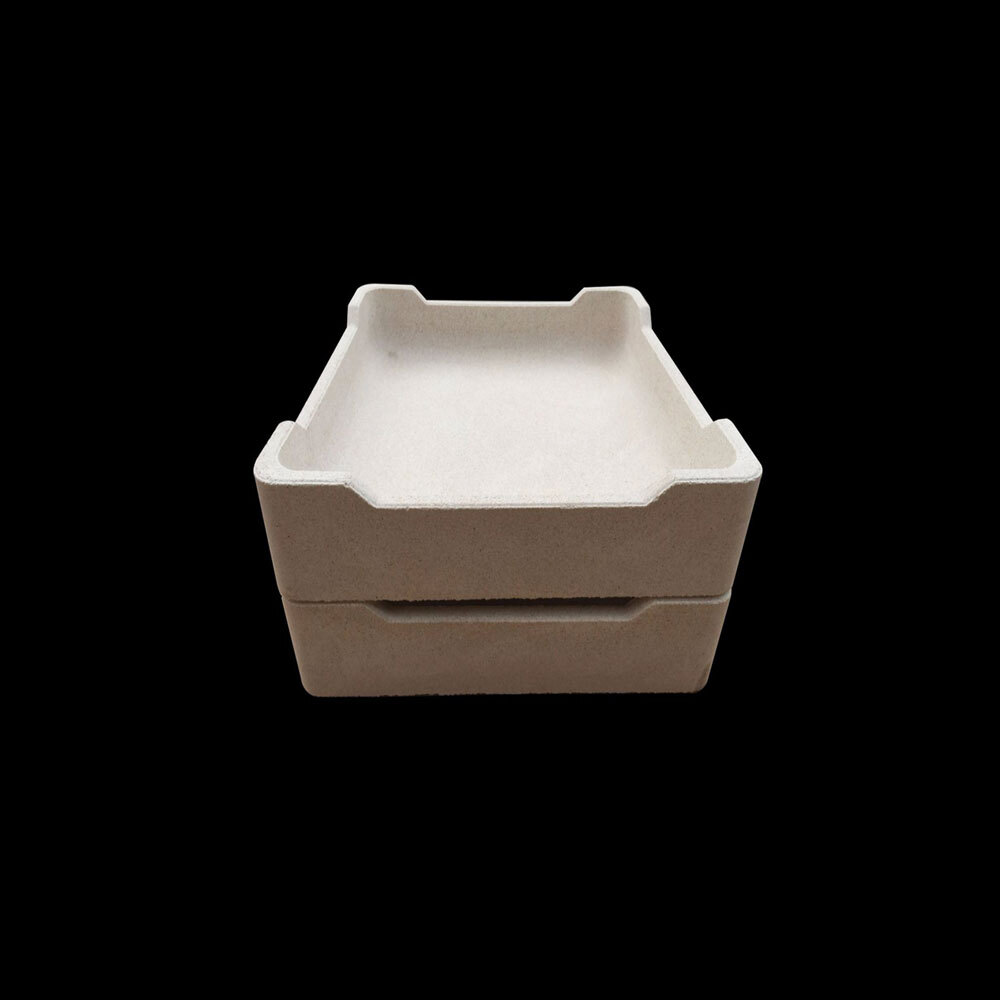
Before we compare recrystallized silicon carbide with traditional materials, let’s first review its core properties. Recrystallized silicon carbide is a ceramic material with high hardness, strength, and thermal stability. It is produced through a high-temperature sintering process and has the following key characteristics:
- High Hardness: Recrystallized silicon carbide is one of the hardest materials, second only to diamonds.
- High-Temperature Stability: Recrystallized silicon carbide maintains its stability even at temperatures above 1600°C, with minimal thermal expansion or cracking.
- Corrosion Resistance: It exhibits excellent chemical stability and is highly resistant to corrosion from strong acids, bases, and other aggressive chemicals.
- Low Thermal Expansion: Compared to traditional metals, silicon carbide has a lower thermal expansion coefficient, making it more resistant to thermal shock and less prone to cracking under temperature fluctuations.
-
Comparing Recrystallized Silicon Carbide with Traditional Metallic Materials
-
Comparison with Steel
Steel, one of the most widely used structural materials, has excellent strength and toughness at room temperature. However, it faces numerous challenges in high-temperature and corrosive environments:
- High-Temperature Performance: Steel loses its mechanical strength as temperature rises, particularly beyond 800°C, where oxidation and thermal expansion cause degradation. In contrast, recrystallized silicon carbide maintains its stability at temperatures above 1600°C and does not oxidize.
- Corrosion Resistance: Steel is prone to corrosion in acidic, basic, or chloride environments, which shortens its service life. Recrystallized silicon carbide, however, is chemically inert and can endure these harsh conditions for extended periods.
- Weight: Steel has a relatively high density, which can be a limitation in applications requiring lightweight materials. Silicon carbide, on the other hand, has a lower density, enabling lightweight designs without compromising strength.
-
Comparison with Aluminum Alloys
Aluminum alloys are widely used for their good machinability and low density, particularly in the aerospace and automotive industries. However, they also exhibit some limitations in high-temperature and corrosive environments:
- High-Temperature Stability: Aluminum alloys have a relatively low melting point (around 660°C), meaning they are prone to deformation or melting in high-temperature conditions. Recrystallized silicon carbide, with a melting point exceeding 2700°C, can withstand much higher temperatures without losing mechanical properties.
- Corrosion Resistance: While aluminum alloys have some degree of corrosion resistance, they are still susceptible to corrosion in strong acids or alkalis. In comparison, silicon carbide is nearly impervious to chemical attack, making it ideal for applications in corrosive environments.
-
Comparison with Quartz
Quartz is widely used for its excellent insulation properties and chemical stability, particularly in the electronics industry. However, it has several limitations when it comes to strength and high-temperature performance:
- Strength: Quartz has much lower mechanical strength than recrystallized silicon carbide and is prone to cracking or breaking under impact or high pressure. In contrast, recrystallized silicon carbide is extremely strong and resistant to shock and high-pressure conditions.
- Thermal Stability: Quartz has a higher thermal expansion coefficient, making it susceptible to thermal shock and cracking in environments with rapid temperature changes. Recrystallized silicon carbide, with its lower thermal expansion, performs much better in such scenarios.
III. Unique Advantages of Recrystallized Silicon Carbide in Extreme Environments
The unique properties of recrystallized silicon carbide make it perform exceptionally well in many extreme environments where conventional materials fail to meet the requirements. Below are some of the key advantages:
-
High-Temperature Applications
In high-temperature environments, traditional materials like steel, aluminum, and quartz lose their strength and integrity. Recrystallized silicon carbide, with its superior thermal stability, is capable of maintaining its properties even in extreme heat. It plays a crucial role in industries such as metallurgy, glass manufacturing, and ceramics, where it is used in high-temperature furnace linings, nozzles, and kiln furniture.
-
Corrosive Environments
In chemical processes, many components are exposed to strong acids, bases, or corrosive gases. Traditional metals often corrode or degrade under these conditions, limiting their service life. Recrystallized silicon carbide, however, excels in chemically aggressive environments and is used in chemical reactors, pipes, and other equipment where conventional materials would fail.
-
High-Pressure Applications
Recrystallized silicon carbide’s high strength and hardness allow it to withstand extreme pressures without deforming. This makes it ideal for applications in aerospace, deep-sea exploration, and other high-pressure environments, where conventional materials might fracture or fail under stress.
-
Real-World Applications of Recrystallized Silicon Carbide
- Aerospace: Recrystallized silicon carbide is used in components like rocket engine nozzles and thermal protection systems, where it can withstand extreme temperatures and pressures.
- Renewable Energy: In applications like electric vehicles, solar power inverters, and wind turbines, recrystallized silicon carbide’s excellent thermal and electrical properties help improve performance and efficiency.
- Electronics: Recrystallized silicon carbide is used in power semiconductors, inverters, and other high-efficiency power electronics, where its ability to handle high temperatures and voltages is crucial.
Conclusion
While traditional materials like steel, aluminum alloys, and quartz continue to dominate many industrial applications, their limitations in extreme environments highlight the growing need for advanced materials like recrystallized silicon carbide. With its outstanding high-temperature stability, corrosion resistance, and strength, recrystallized silicon carbide offers significant advantages in applications where conventional materials fall short.

Leave a Reply