Applications of Silicon Carbide Saggers in Lithium Battery Cathode Material Sintering
The rapid growth of the lithium-ion battery industry—driven by electric vehicles, energy storage systems, and consumer electronics—has placed intense focus on improving the performance, consistency, and purity of cathode materials such as LiFePO₄ (LFP), LiNiMnCoO₂ (NCM/NMC), and LiCoO₂ (LCO). These materials require precise thermal treatment during synthesis, typically at temperatures ranging from 600°C to 1000°C.
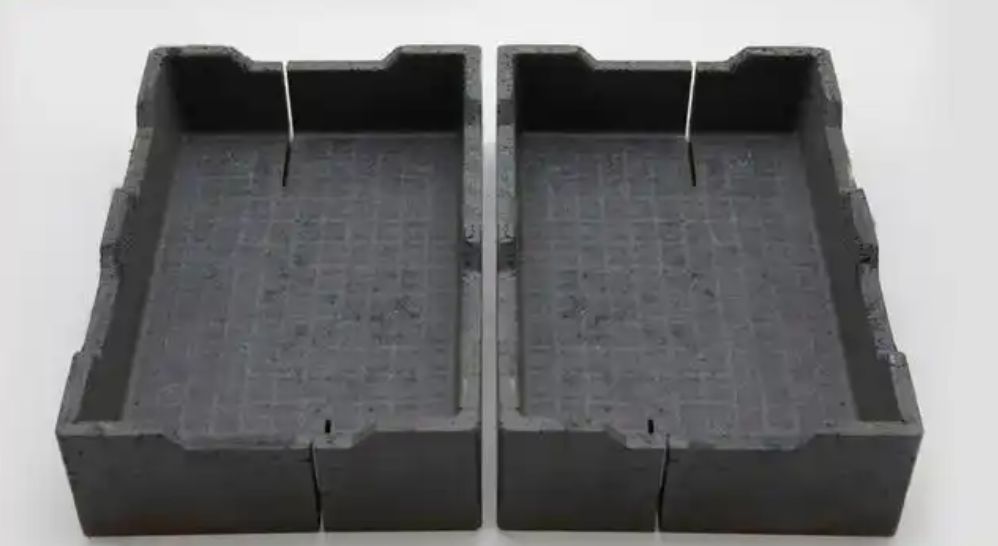
A critical component of this thermal process is the sagger—a container that holds powders during calcination or sintering in kilns. Among all refractory options, Silicon Carbide (SiC) saggers have emerged as the preferred choice in cathode material manufacturing due to their durability, purity, and excellent thermal performance.
Why SiC Saggers Are Ideal for Cathode Material Sintering
Cathode material sintering involves stringent thermal, chemical, and purity requirements. Here’s how SiC saggers meet those demands:
- High Thermal Conductivity = Uniform Heating
SiC saggers enable consistent heat transfer across the powder bed, which:
Reduces hot and cold spots in the material
Promotes homogeneous particle growth
Enhances overall product batch uniformity
This is essential for cathode materials where small variations can affect electrochemical performance.
-
Excellent Thermal Shock Resistance
Battery production often involves rapid heating/cooling cycles to improve throughput. SiC’s ability to withstand fast thermal changes without cracking makes it ideal for:
Push-plate kilns
Roller hearth kilns
Rapid-cycle shuttle kilns
It greatly reduces premature failures compared to alumina or cordierite saggers.
-
Low Contamination Risk
SSiC saggers (pressureless sintered) are free of residual silicon and binders that could contaminate the cathode material. This is particularly important for:
High-nickel NCM cathodes, which are sensitive to trace elements
LFP materials, where iron contamination must be avoided
Open vs. Closed Sagger Designs in Battery Applications
Battery powder sintering is often conducted in a controlled oxygen-rich environment. Sagger design plays a crucial role in determining how gases interact with the material during firing.
- Closed-Type Saggers
Minimize powder loss
Reduce contamination from furnace gases
Retain oxygen or other process gases around the powder
Commonly used for LiFePO₄ and NCM sintering
However, closed saggers must be engineered to vent gas buildup safely to avoid internal pressure damage.
- Open-Type Saggers
Easier gas flow, used when off-gassing is significant
Simpler to load and clean
Preferred when full access to atmosphere is needed
Some manufacturers use semi-enclosed or multi-compartment saggers to balance protection and gas exchange.
Case Study: LFP Production Using SiC Saggers
A lithium battery materials company transitioned from alumina to RB-SiC saggers for LFP production and observed:
30% increase in sagger life
Reduced batch rejection due to contamination
Improved color and phase uniformity of final powder
Later, switching to SSiC saggers further improved purity and reduced lithium loss due to better thermal stability and less surface reaction.
How SiC Saggers Enhance Productivity
Silicon Carbide saggers not only improve quality—they also boost productivity and reduce total cost of ownership:
| Feature | Benefit in Cathode Production |
| High thermal conductivity | Faster heating → Shorter cycle times |
| Long service life | Fewer replacements → Reduced downtime |
| Better strength at high temp | Allows for heavier loads per batch |
| Resistance to corrosion | Withstands lithium and oxygen environments |
Considerations When Selecting a SiC Sagger for Battery Use
Material Type:
Use SSiC for highest purity demands
RB-SiC is a cost-effective compromise
Geometry:
Should match furnace type (push plate, tunnel, etc.)
Must support even powder spread and thermal flow
Surface Finish:
Smooth interiors reduce powder sticking
Optional coatings (e.g., Al₂O₃) can increase lifespan
Conclusion
As lithium battery technology advances, manufacturing demands for precision and consistency continue to rise. Silicon Carbide saggers—especially specially engineered SSiC models—are now critical tools in achieving the high-performance standards required in cathode material sintering.
By offering exceptional thermal behavior, minimal contamination, and robust cycle life, SiC saggers not only improve final product quality but also enhance operational efficiency and lower long-term costs. For any serious lithium battery material producer, investing in high-quality SiC saggers is no longer optional—it’s strategic.

Leave a Reply