
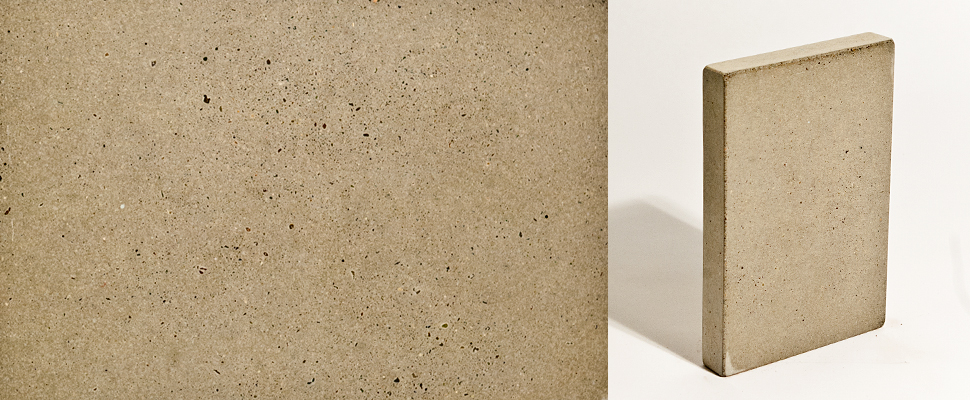
Andalusite Refractory Plates in the Metallurgy Industry: Maximizing Efficiency and Durability
The metallurgy industry demands materials that can withstand extreme temperatures, resist chemical corrosion, and maintain structural integrity under harsh conditions. Andalusite refractory plates meet these requirements, making them indispensable in metallurgical applications. This blog explores the use of andalusite refractory plates in the metallurgy industry, highlighting their applications, advantages, challenges, and providing in-depth performance analysis.
Application Overview
Furnace Linings
In metallurgical processes, furnace linings are critical for maintaining high operational efficiency and protecting the structural integrity of furnaces.
High-Temperature Stability: Andalusite refractory plate can withstand temperatures exceeding 1500°C, essential for processes like steelmaking and non-ferrous metal smelting.
Thermal Insulation: Andalusite plates provide excellent thermal insulation, minimizing heat loss and enhancing energy efficiency within the furnace.
Chemical Resistance: The plates resist chemical corrosion from slags and molten metals, extending the lifespan of the furnace lining and reducing maintenance costs.
Ladle Linings
Ladles are used to transport and pour molten metal in steel plants. Andalusite refractory plates are ideal for ladle linings due to their robust properties.
Thermal Shock Resistance: Frequent temperature fluctuations during metal transport and pouring require materials that can withstand thermal shocks without cracking.
Mechanical Strength: Andalusite plates can handle the mechanical stress associated with transporting heavy molten metal, ensuring the ladle remains intact and operational.
Wear Resistance: The plates’ high wear resistance reduces erosion caused by the molten metal, enhancing the ladle’s longevity.
Tundish Linings
A tundish is a crucial component in continuous casting, serving as an intermediary vessel between the ladle and the casting mold.
Temperature Control: Andalusite refractory plates help maintain a consistent temperature of the molten metal, crucial for achieving high-quality castings.
Flow Management: The plates’ smooth surface ensures a steady flow of molten metal into the mold, preventing turbulence and ensuring uniformity.
Erosion Resistance: The plates withstand the constant flow of molten metal, reducing the frequency of lining replacement and improving overall efficiency.
Performance Requirements
High-Temperature Resistance
In metallurgical applications, materials are subjected to extremely high temperatures. Andalusite refractory plates exhibit excellent high-temperature resistance, maintaining their strength and stability even in the most demanding environments.
Melting Point: With a melting point above 1800°C, andalusite can withstand the high temperatures typical in metallurgical processes without degrading.
Thermal Conductivity: The moderate thermal conductivity of andalusite ensures efficient heat distribution, preventing localized overheating and material failure.
Chemical Stability
Metallurgical processes often involve reactive substances that can corrode furnace linings. Andalusite refractory plates offer superior chemical stability, resisting the corrosive effects of slags, fluxes, and molten metals.
Corrosion Resistance: Andalusite’s resistance to acidic and basic environments ensures long-term performance in furnaces and ladles.
Non-Reactive Surface: The non-reactive nature of andalusite prevents contamination of the molten metal, ensuring the purity of the final product.
Mechanical Durability
The mechanical durability of andalusite refractory plates is crucial for their performance in high-stress environments.
Compressive Strength: High compressive strength allows andalusite plates to withstand the weight and pressure of molten metal.
Flexural Strength: The plates’ flexural strength ensures they can endure mechanical stresses without cracking or breaking.
Abrasion Resistance: Andalusite’s abrasion resistance reduces wear from the constant movement of molten metal, prolonging the lifespan of
furnace and ladle linings.
Advantages and Challenges
Key Advantages
Extended Service Life: The durability and stability of andalusite refractory plates reduce the frequency of replacements, leading to lower operational costs and increased productivity.
Energy Efficiency: Excellent thermal insulation properties minimize heat loss, reducing energy consumption and lowering production costs.
Improved Product Quality: Consistent temperature control and non-reactive surfaces ensure the production of high-quality metal products with fewer defects.
Common Challenges
Initial Cost: The upfront cost of andalusite refractory plates can be higher compared to some alternative materials. However, the long-term benefits and reduced maintenance costs often justify the investment.
Installation Complexity: Proper installation of andalusite plates requires skilled labor and precise handling to avoid damage. Training and meticulous installation procedures are essential.
Supply Chain Reliability: Ensuring a steady supply of high-quality andalusite can be challenging, especially for large-scale operations. Establishing reliable supplier relationships is crucial.
Performance Analysis of Andalusite Refractory Plates
High-Temperature Stability Analysis
The stability of andalusite refractory plates in high-temperature environments directly impacts their application in the metallurgy industry.
Long-Term High-Temperature Treatment: Andalusite plates can maintain their strength and hardness at high temperatures without softening or deforming. Experiments show that andalusite plates retain their original structure and performance even after prolonged use at temperatures above 1500°C.
Mechanical Performance at High Temperatures: Even at extremely high temperatures, andalusite plates maintain high levels of compressive and flexural strength, ensuring mechanical stability in high-temperature environments.
Chemical Stability Analysis
In metallurgical processes, andalusite refractory plates need to withstand various chemical corrosion and reactive environments.
Acid and Alkaline Corrosion Tests: Experiments indicate that andalusite plates show no significant corrosion when exposed to strong acid and alkaline solutions, demonstrating excellent chemical corrosion resistance.
Slag Erosion Tests: When exposed to high-temperature slags, andalusite plates exhibit only minor erosion, significantly less than other common refractory materials, proving their superior slag erosion resistance.
Mechanical Durability Analysis
The mechanical durability of andalusite refractory plates is key to their widespread use in the metallurgy industry.
Abrasion Tests: Simulating the continuous friction environment of molten metal, andalusite plates show extremely low wear rates, which is crucial for extending their service life.
Impact Tests: Andalusite plates can withstand significant impact forces without cracking even under high-temperature conditions, proving their excellent impact resistance.
Conclusion
Andalusite refractory plates offer significant advantages in the metallurgy industry, including high thermal stability, chemical resistance, and mechanical durability. Their applications in furnace linings, ladle linings, and tundish linings enhance efficiency and product quality while reducing operational costs. Despite some challenges, the long-term benefits of using andalusite refractory plates often outweigh the initial costs. By understanding the specific needs and conditions of their operations, metallurgical plants can make informed decisions to optimize their processes with andalusite refractory plates.
![Andalusite Pusher Tray [MM-LY-HZ75]](https://moatcity.com/wp-content/uploads/2024/10/222-2.jpg)

Leave a Reply