Advantages of Andalusite Mullite in Refractory Materials
In the field of refractory materials, Andalusite and Mullite are highly regarded for their exceptional properties. The combination of these two materials not only endows refractory products with higher temperature resistance but also enhances their stability in high-temperature environments. This article will explore the advantages of Andalusite Mullite in refractory materials from multiple perspectives, including fire resistance, thermal stability, and cost-effectiveness.
I. Fire Resistance
One of the primary advantages of Andalusite and Mullite is their outstanding fire resistance. According to research, the melting point of Andalusite can reach up to 1750°C, while that of Mullite can go as high as 1850°C. This enables them to maintain their shape and structure under extreme temperature conditions, making them suitable for high-temperature industrial environments such as steel, ceramics, and glass.
The fire resistance of Andalusite Mullite is also reflected in its excellent resistance to corrosion. Many refractory materials are prone to react with molten metals or chemicals at high temperatures, leading to structural damage. However, Andalusite Mullite exhibits good chemical stability, effectively resisting corrosion from metals like aluminum and magnesium, thereby reducing material wear during use. This characteristic makes it an ideal choice for applications in high furnace linings, melting furnaces, and kilns.
II. Thermal Stability
Thermal stability is a key factor in evaluating the performance of refractory materials. Andalusite Mullite has a relatively low thermal expansion coefficient, meaning that their volume changes little with temperature fluctuations. This property allows Andalusite Mullite to withstand frequent temperature changes without easily cracking, ensuring the reliability of refractory materials at high temperatures.
Moreover, the thermal conductivity of Andalusite Mullite is relatively low, effectively providing insulation and reducing heat transfer. This is crucial in applications such as high-temperature furnaces and kilns, as it can lower energy consumption and improve production efficiency. In some cases, reducing thermal conductivity can also help prevent overheating of equipment surfaces, thereby extending the lifespan of the equipment.
III. Cost-Effectiveness
In terms of economic viability, the cost-effectiveness of Andalusite Mullite refractory materials is also significant. While high-temperature refractory materials are generally expensive, the enhanced performance of Andalusite Mullite can significantly reduce overall operational costs. For example, using Andalusite Mullite as lining material in a blast furnace can decrease the frequency of lining replacements, thereby lowering maintenance and downtime.
Additionally, the production process of Andalusite Mullite is relatively mature, and the sourcing of raw materials is also relatively straightforward, reducing production costs. This economic aspect makes Andalusite Mullite a preferred refractory material in many industries.
IV. Wide Application Fields
The advantages of Andalusite Mullite have led to its widespread application across various industries. In the steel industry, this material is primarily used for high furnace linings, converter linings, and electric furnaces, where it can withstand high temperatures and chemical corrosion. In the ceramics industry, Andalusite Mullite is utilized to produce high-performance ceramics, enhancing the products’ wear resistance and strength. In glass manufacturing, its heat resistance and chemical corrosion resistance make it an ideal choice for melting pools and insulation materials.
V. Future Development Potential
With advancements in industrial technology, the application prospects of Andalusite Mullite continue to expand. New production processes and material developments will further enhance the performance of Andalusite Mullite, allowing it to function effectively in higher temperatures and more complex environments. Additionally, as environmental awareness increases, Andalusite Mullite, being a relatively eco-friendly refractory material, is expected to gain more popularity in the future.
Conclusion
In summary, as a representative of refractory materials, Andalusite Mullite demonstrates a broad application prospect across various industries due to its superior fire resistance, thermal stability, and economic viability. With technological progress and market changes, this material is likely to continue playing a significant role in the future, positioning itself as a leader in the field of refractory materials. Therefore, enterprises considering refractory materials should take Andalusite Mullite into account to enhance product quality and reduce production costs.
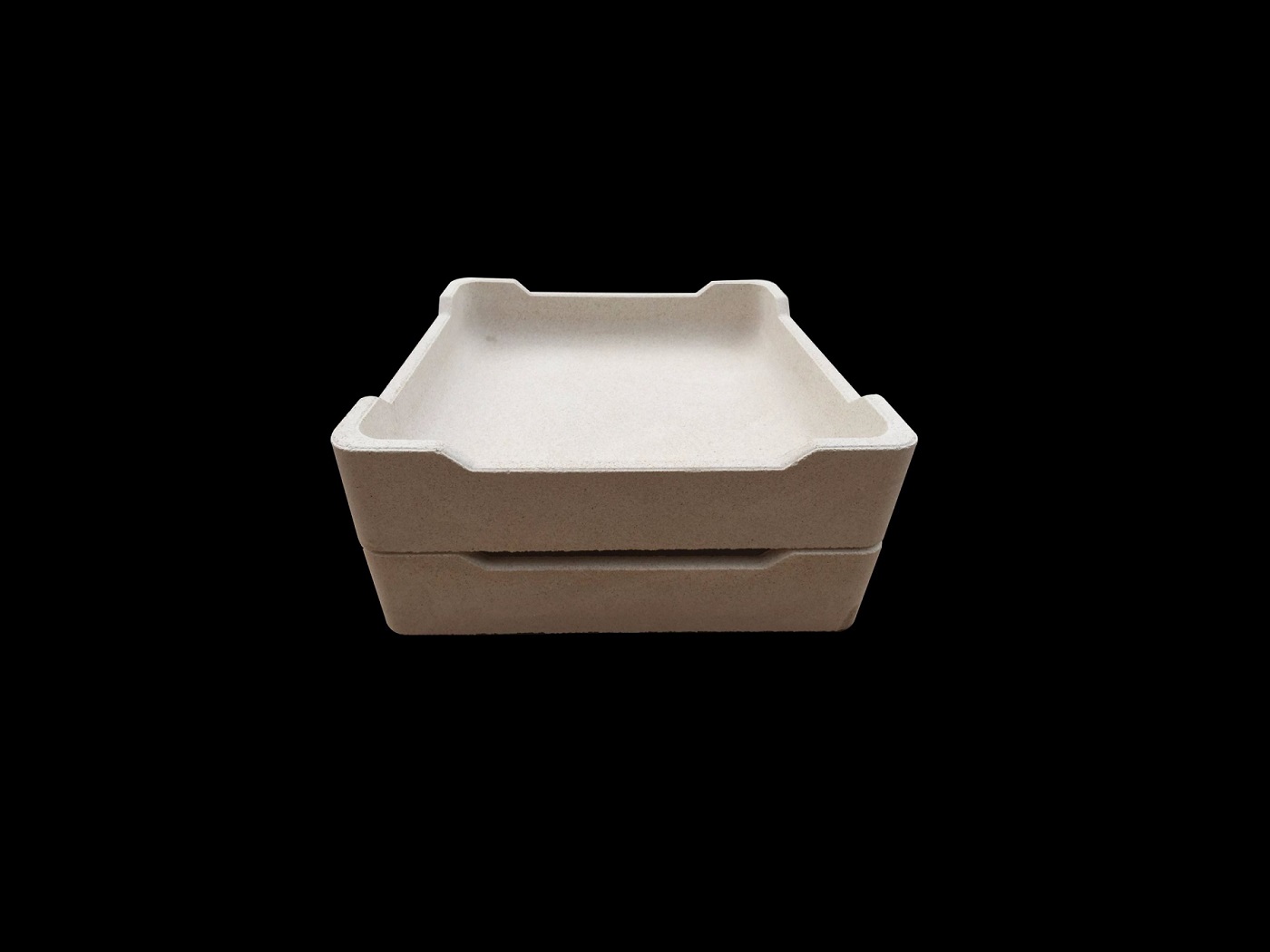
![Andalusite Pusher Tray [MM-LY-HZ75]](https://moatcity.com/wp-content/uploads/2024/10/222-2.jpg)

Leave a Reply