Advancing Precision and Efficiency: Tackling the Challenges of Rapid Sintering in Zirconia Dental Prosthetics
Introduction
The introduction of rapid sintering in zirconia dental prosthetics has been a major milestone, promising significant reductions in manufacturing time and enhanced operational efficiency. However, this innovative approach also brings with it a set of unique challenges that must be meticulously addressed. In this detailed exploration, we delve into the complexities of rapid sintering technology and the strategies to overcome its challenges, paving the way for its optimal utilization in dental prosthetics.
In-Depth Analysis of Rapid Sintering Challenges
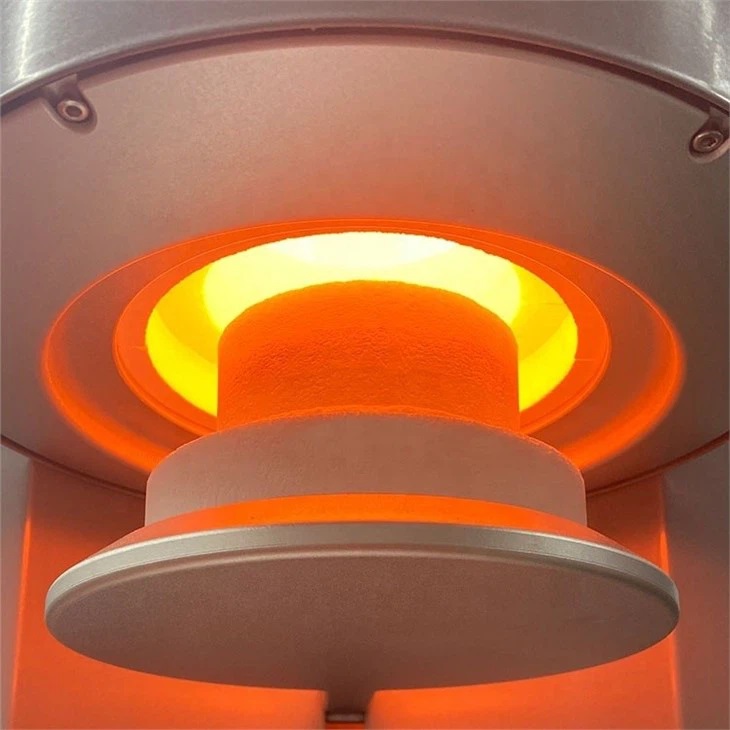
Rapid sintering technology accelerates the process of turning zirconia powder into a fully dense and functional dental prosthetic. This rapid transformation, while beneficial in terms of time management, poses specific technical challenges:
1. Microstructural Control
- Scientific Perspective: The rapid heating and cooling rates can significantly alter the microstructure of zirconia, affecting grain size, density, and distribution.
- Clinical Impact: Variations in these microstructural properties can influence the mechanical strength and optical characteristics of the prosthetics, potentially affecting their longevity and aesthetic integration with natural teeth.
2. Dimensional Accuracy
- Technical Challenge: Achieving precise dimensional control is more complex under rapid sintering conditions due to the accelerated process.
- Practical Implications: Any dimensional inaccuracy can lead to prosthetics that require extensive chairside adjustments or even remanufacture, impacting clinical efficiency and patient satisfaction.
3. Thermal Stress Management
- Material Science Aspect: The extreme temperatures involved in rapid sintering can induce significant thermal stresses within the zirconia.
- Durability Concern: These stresses, if not properly managed, can lead to micro-cracks or fractures, particularly in prosthetics with intricate designs or thin margins.
4. Peak Energy Demand
- Operational Consideration: Rapid sintering requires high energy input in a short timeframe, leading to peak energy demands.
- Resource Management: Managing these peaks is essential to avoid excessive operational costs and to align with energy-efficient practices.
5. Equipment Investment and Maintenance
- Economic Factor: The specialized furnaces for rapid sintering represent a substantial capital investment and ongoing maintenance costs.
- Business Decision: For dental labs and clinics, this necessitates a careful consideration of ROI (Return on Investment) and long-term financial planning.
Strategies for Addressing the Challenges
To harness the full potential of rapid sintering technology in zirconia dental prosthetics, a comprehensive approach encompassing research, technology, and skill development is essential:
1. Advanced Material Engineering
- Developing zirconia blends specifically optimized for rapid sintering could enhance consistency in mechanical and aesthetic properties.
2. Refinement of Sintering Equipment
- Innovations in furnace technology are needed for more precise control over temperature profiles and rates of heating/cooling, reducing the incidence of thermal stress.
3. Enhanced Technical Training
- Specialized training programs for dental technicians on rapid sintering protocols can improve handling and troubleshooting, leading to better outcomes.
4. Interdisciplinary Collaboration
- Collaboration between materials scientists, dental practitioners, and equipment manufacturers can foster tailored solutions to the unique demands of rapid sintering.
5. Energy Management Solutions
- Implementing sustainable and energy-efficient practices can mitigate the high energy demands, aligning with eco-friendly and cost-effective operations.
6. Economic Analysis and Planning
- Conducting thorough economic analyses to assess the viability and sustainability of investing in rapid sintering technology for different scales of dental practices.
Conclusion
Rapid sintering in zirconia dental prosthetics represents a significant advancement with the potential to redefine efficiency and precision in dental restoration. Addressing its inherent challenges requires a blend of scientific research, technological innovation, and strategic planning. As the dental industry continues to evolve with these advancements, the future holds promising prospects for delivering high-quality, efficient, and aesthetically pleasing dental solutions.
For dental professionals, staying at the forefront of these technological advancements is crucial for delivering superior patient care. For patients, advancements like rapid sintering mean quicker access to high-quality dental restorations, highlighting the importance of ongoing innovation in dental health solutions.


Leave a Reply