
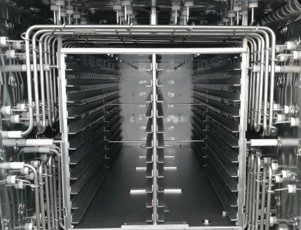
How to Choose the Right Vacuum Sintering Furnace
1. Introduction to Vacuum Sintering:
Vacuum sintering is an advanced process where materials like powder or powder compacts are heated in a vacuum environment. The objective is to achieve inter-particle bonding through atomic migration, resulting in alloys with specific structures and properties. This article provides a comprehensive guide on the advantages, applications, and key considerations for choosing the right vacuum sintering furnace.
2. The Superiority of Vacuum Sintering:
a. Carbon Content Control:
- Minimal Variation: Strict control over the dewaxing process ensures minimal changes in alloy carbon content.
- Stable Properties: The alloy’s performance and structure remain stable throughout the sintering process.
b. Alloy Purity:
- Oxide Reduction: Vacuum sintering aids in the reduction of metal oxides.
- No Air Entry: The furnace remains sealed, preventing reactions involving N2 and O2.
c. Improved Strength:
- Surface Purity: Reduced surface impurities lead to improved wettability and alloy strength.
- TiC Alloys: Especially beneficial for alloys containing Titanium Carbide (TiC).
d. Simplified Operations:
- No Filler Required: This simplifies the operation and avoids adverse effects on the sintered body surface.
3. Economic Benefits:
a. Integrated Dewaxing-Sintering:
- Reduced Oxidation: This process minimizes product oxidation and makes carbon control easier.
- Space Efficiency: Requires less floor space and reduces labor intensity.
b. Multi-Atmosphere Dewaxing-Sintering:
- Versatility: Allows for temperature, atmosphere, and pressure control at different stages.
- Isothermal Sintering: Enables isothermal sintering at any temperature, fulfilling various functions like gradient alloy sintering.
4. Types and Applications of Vacuum Sintering Furnaces:
a. Classification by Temperature:
- Low-Temperature Furnaces: Up to 1300℃
- Medium-Temperature Furnaces: 1300℃ to 1600℃
- High-Temperature Furnaces: 1600℃ to 2400℃
b. Classification by Vacuum Level:
- Low Vacuum
- High Vacuum
- Ultra-High Vacuum
c. Applications:
- Powder Metallurgy Products: Ideal for sintering various metal powders.
- Metal Injection Molded Products: Suitable for products requiring high precision and complexity.
- Hard Alloys and Superalloys: Perfect for materials requiring high-temperature resistance.
5. Key Considerations for Choosing a Vacuum Sintering Furnace:
a. Heating Material:
- Thermal Conductivity: Choose heating materials with good thermal conductivity to ensure rapid heating rates.
- High-Temperature Stability: The material should not deform at high temperatures.
b. Insulation Screen:
- Material Selection: The choice of insulation screen material can significantly impact the furnace’s performance.
- Heat Barrier: Tungsten and molybdenum materials offer better heat resistance.
c. Cost-Efficiency:
- Energy Consumption: Consider the energy efficiency of the furnace to reduce operational costs.
- Maintenance: Opt for furnaces that require minimal maintenance for long-term cost savings.
6. Best Practices:
a. Regular Maintenance:
- Cleaning: Regular cleaning of the furnace ensures optimal performance.
- Inspections: Periodic inspections can help identify issues before they become major problems.
b. Safety Measures:
- Operator Training: Ensure that operators are well-trained in safety protocols.
- Emergency Protocols: Have emergency measures in place for unexpected situations.
7. Conclusion:
Choosing the right vacuum sintering furnace is crucial for achieving the desired material properties and operational efficiency. By understanding the advantages, types, and key considerations, you can make an informed decision that meets your specific needs.
8. Contact Details:
For more information on vacuum sintering furnaces and assistance with your specific needs, please contact us.
Email: rongqi.chen@moatcity.com
Web: www.moatcity.com
WhatsApp: +447983626714

Leave a Reply