
The Art of Selecting High-Quality Kiln Furniture for LTCC Sintering: A Comprehensive Guide
In the intricate world of Low Temperature Co-fired Ceramics (LTCC) technology, the sintering process is a critical stage that determines the integrity, performance, and reliability of the final electronic components. At the heart of this process lies the unsung hero—kiln furniture. Kiln furniture’s role in ensuring even heat distribution, supporting the ceramic layers, and surviving the harsh sintering environment cannot be overstated. However, not all kiln furniture is created equal, and distinguishing high-quality pieces is paramount to achieving optimal LTCC sintering outcomes. This blog explores the essential criteria for identifying superior kiln furniture, ensuring manufacturers can make informed decisions to enhance their LTCC sintering process.
Kiln Furniture for LTCC Sintering
1. Understanding Material Composition and Purity:
The foundation of high-quality kiln furniture lies in its material composition. Materials like silicon carbide, cordierite, mullite, and alumina are popular for their high-temperature resistance and thermal properties. High purity levels in these materials minimize the risk of contamination, a critical factor in preserving the integrity of LTCC products during sintering. Selecting the appropriate material compatible with LTCC’s specific sintering temperatures and conditions is a must for maintaining product quality.
Kiln Furniture for LTCC Sintering
2. Evaluating Thermal Shock Resistance:
Kiln furniture must withstand rapid temperature changes without succumbing to thermal shock. This resilience is essential for maintaining the structural integrity of kiln furniture over many sintering cycles, ensuring consistent support for LTCC components. High-quality kiln furniture demonstrates exceptional thermal shock resistance, contributing to its longevity and reliability.
Kiln Furniture for LTCC Sintering
3. Assessing Thermal Conductivity:
Uniform heat distribution is a cornerstone of successful sintering. Kiln furniture with optimal thermal conductivity ensures even heat transfer, leading to uniform sintering of LTCC layers and reducing the likelihood of defects. This characteristic is vital for achieving consistent sintering results across various production runs.
Kiln Furniture for LTCC Sintering
4. Mechanical Strength and Load Bearing Capacity:
The ability of kiln furniture to support the weight of LTCC components and withstand the stresses of high-temperature sintering operations is a testament to its mechanical strength. High-quality kiln furniture possesses robust load-bearing capacities, preventing deformation or collapse under the rigors of the sintering process.
5. Dimensional Stability Under Heat:
Dimensional stability is paramount for kiln furniture, as changes in shape or size at high temperatures can misalign LTCC layers, affecting device functionality. Premium kiln furniture maintains consistent dimensions under sintering temperatures, ensuring tight tolerances and accurate layer alignment.
Kiln Furniture for LTCC Sintering
6. Resistance to Chemical Attack:
Chemical inertness is another hallmark of quality kiln furniture. It should not react with LTCC materials or the sintering atmosphere, preventing contamination or alteration of LTCC properties. This chemical resistance ensures the longevity of both the kiln furniture and the integrity of the sintered components.
7. Durability and Lifespan:
The lifespan of kiln furniture is indicative of its quality. High-quality options demonstrate wear resistance and durability, enduring repeated sintering cycles without significant degradation. This longevity reduces the need for frequent replacements, offering cost savings over time.
Kiln Furniture for LTCC Sintering
8. Reputation and Reviews of Manufacturers:
The reputation of kiln furniture manufacturers can provide valuable insights into the quality of their products. Companies with a proven track record, supported by positive user reviews, are more likely to produce kiln furniture that meets the demanding requirements of LTCC sintering.
9. Compliance with Industry Standards:
Quality kiln furniture often adheres to stringent industry standards and holds relevant certifications, indicating its reliability and performance in LTCC sintering applications.
10. Customization Capabilities:
The ability to customize kiln furniture according to specific LTCC sintering needs is a feature of high-quality providers. Custom solutions can optimize the sintering process, improving efficiency and product quality.
Conclusion
Selecting high-quality kiln furniture is a nuanced process that requires attention to material properties, thermal behavior, mechanical strength, and manufacturer reputation. By prioritizing these criteria, LTCC manufacturers can enhance their sintering process, ensuring the production of high-performance, reliable ceramic components. As the demand for sophisticated electronic devices continues to grow, the role of kiln furniture in achieving superior LTCC sintering outcomes has never been more critical.
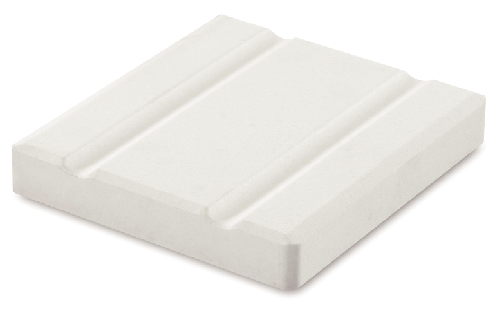
![Silicon Carbide Board [MH-KX-SiC]](https://moatcity.com/wp-content/uploads/2024/10/1728636817408.png)

Leave a Reply