The Journey of Innovation in Silicon Carbide Saggars: From Tradition to Future Technological Leaps
In the fast-evolving lithium battery industry, innovations in materials science are undoubtedly key drivers of progress. Silicon carbide (SiC) saggers, as an indispensable component in lithium battery production, are undergoing a significant leap from traditional processes to future technologies. This journey of innovation not only improves production efficiency and product quality but also brings more possibilities and broader prospects to the lithium battery industry. In this article, we will explore the development history, technological innovations, and future directions of SiC saggers, showcasing their irreplaceable role in lithium battery production.
1. The Development Background of SiC Saggers: From Birth to Rise
Silicon carbide, as a high-performance material, was initially widely used in ceramics and refractory materials. With the rapid expansion of the lithium battery market, the demand for high-temperature and high-strength materials has continued to grow, and the advantages of silicon carbide have gradually emerged. In the early stages of development, researchers applied silicon carbide to the production of saggers to cope with the extreme temperatures and chemical environments encountered during lithium battery sintering processes. Through continuous experimentation and optimization, SiC saggers gradually surpassed traditional sagger materials in terms of performance, becoming the new favorite in lithium battery manufacturing.
2. Technological Innovations Today: Breaking the Traditional Constraints
As market demands have shifted and technology has advanced, the development of SiC saggers has entered a new stage. In this stage, researchers are no longer limited to improving the basic properties of materials but are exploring more advanced manufacturing processes and the application of composite materials.
- Improving Material Purity and Performance: To further enhance the performance of SiC saggers, researchers have improved raw material purification techniques, reducing impurity content and ensuring the sagger maintains excellent thermal stability even at extremely high temperatures. The application of nano-sized silicon carbide particles has significantly increased the strength and wear resistance of the saggers.
- Optimizing Forming and Sintering Processes: In terms of manufacturing processes, the introduction of automation and intelligent systems has greatly improved the production efficiency of SiC saggers. By combining cold isostatic pressing with advanced sintering techniques, the size precision, density control, and internal uniformity of the saggers have reached new heights. These technological innovations have not only improved product quality but also significantly reduced production costs.
- Exploring Composite Materials: To meet more stringent processing conditions, researchers have begun exploring the combination of silicon carbide with other high-performance materials to develop multifunctional composite saggers. These composite saggers not only retain the high-temperature stability of SiC but can also provide additional chemical stability or mechanical strength under specific conditions, meeting more diversified production needs.
3. Future Research Directions: Moving Toward Broader Application Prospects
Looking ahead, the development of SiC saggers will continue to focus on higher performance and broader applications.
- Meeting Extreme Processing Conditions: As lithium battery technology continues to make breakthroughs, the requirements for materials are becoming increasingly stringent. Future research on SiC saggers will focus on handling even higher temperatures, faster thermal cycling, and more complex chemical environments. For example, developing more durable and corrosion-resistant SiC composite materials to meet the needs of solid-state battery production.
- Intelligent Manufacturing and Application: In the context of Industry 4.0, the manufacturing of SiC saggers will become more intelligent and customized. By integrating technologies such as IoT, big data, and AI, the production process of SiC saggers will achieve more precise control and optimization. Meanwhile, the use of intelligent inspection devices will ensure stricter quality control, providing a solid foundation for stable lithium battery production.
- Green and Sustainable Development: With the growing emphasis on environmental protection, future research on SiC saggers will also focus on material recycling and environmental performance. By developing renewable composite materials and more efficient recycling technologies, SiC saggers will offer more environmentally friendly solutions for lithium battery production, reducing resource waste and environmental pollution.
Conclusion
The research and innovation of SiC saggers not only reflect technological progress but also symbolize the lithium battery industry’s relentless pursuit of excellence. From initial application exploration to today’s technological innovations, SiC saggers have continually surpassed their own performance, opening up broader application fields. Looking ahead, with further technological advancements, SiC saggers will undoubtedly play an increasingly important role in higher temperatures and more complex production environments. We have every reason to believe that the innovative journey of SiC saggers will bring a brighter future to the lithium battery industry.
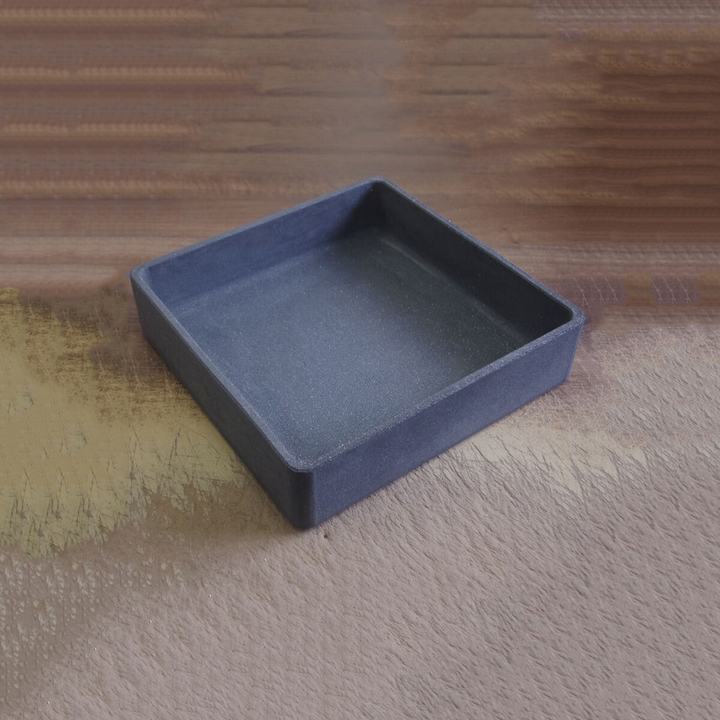
![Silicon Carbide Saggars for Lithium Batteries [MH-LNY-LH-SiC73]](https://moatcity.com/wp-content/uploads/2024/10/01111.jpg)

Leave a Reply