Navigating the Challenges and Innovations of Alumina Kiln Furniture in Metal Injection Molding
Introduction
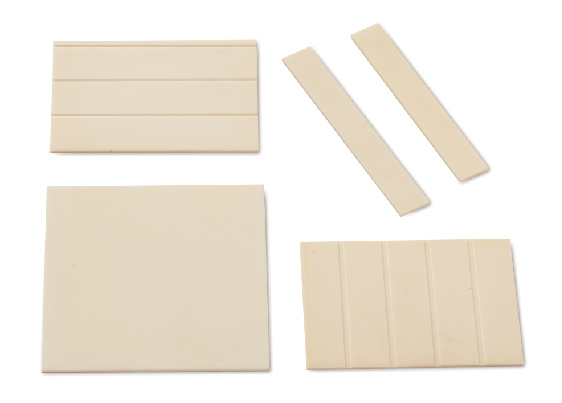
In the high-risk field of Metal Injection Molding (MIM), especially when producing stainless steel parts, the use of alumina-based sintering fixtures has gained increasing popularity. Alumina fixtures are used in both vacuum and atmosphere furnaces, playing a crucial role in achieving high-quality results. However, like any advanced technology, integrating these fixtures into the MIM process presents certain challenges. This blog explores the obstacles of using alumina fixtures in MIM, innovative solutions to these challenges, and emerging trends in the industry.
Challenges of Using Alumina Fixtures
Alumina is well-known for its thermal stability and high-temperature resistance, but several challenges arise when using it in MIM applications:
- Cost: High-quality alumina is typically more expensive than other materials, which increases the overall production cost of MIM parts.
- Handling and Maintenance: Alumina fixtures are brittle, meaning they must be handled with care to avoid breakage, which can disrupt production schedules and increase costs.
- Specific Furnace Requirements: Alumina’s ability to withstand high temperatures requires furnaces to be capable of maintaining uniformly high temperatures, which can be a technical challenge.
Innovative Furnace Design Solutions
To address these challenges, the industry has made significant innovations aimed at improving the performance and longevity of alumina fixtures:
- New Shapes and Configurations: Advances in design software and fixture manufacturing techniques have enabled the creation of fixtures that maximize furnace space while ensuring uniform heat distribution.
- Enhanced Structures: The introduction of composite materials and reinforcements in traditional alumina fixtures has increased their impact resistance and overall durability.
- Improved Thermal Efficiency: Innovations in the material composition and structure of alumina fixtures help maintain and distribute heat more efficiently, improving energy efficiency.
Future Trends in Materials Science
Looking forward, the materials used in MIM processes seem poised for exciting developments:
- Composite Materials: Researchers are experimenting with alumina composites, combining it with other ceramics or metals to enhance properties such as thermal conductivity and mechanical strength.
- Nanotechnology: The use of nanocoatings and nanostructured materials can make fixtures more wear-resistant and enhance their performance characteristics.
- Sustainability Focus: There is an increasing push to use materials that are not only efficient but also environmentally friendly. This has led to research into more sustainable alumina fixture production processes and recycling methods.
Expert Insights
In-depth interviews with experts in the MIM and ceramics materials industries have revealed a consensus on the necessity for ongoing innovation and adaptability. Experts emphasize the importance of investing in R&D to meet the evolving demands of the MIM industry and overcome the inherent limitations of alumina fixtures.
Call to Action
For those involved in MIM part manufacturing or fixture production, optimizing the use of alumina in high-temperature environments is both challenging and rewarding. To learn more about the latest innovations in alumina fixtures or to explore custom solutions that fit your MIM process, we encourage you to reach out to leading experts and manufacturers in the field. Enhance your productivity with cutting-edge fixture technologies and embrace the future of manufacturing.

Leave a Reply